
Skincare Value Calculator
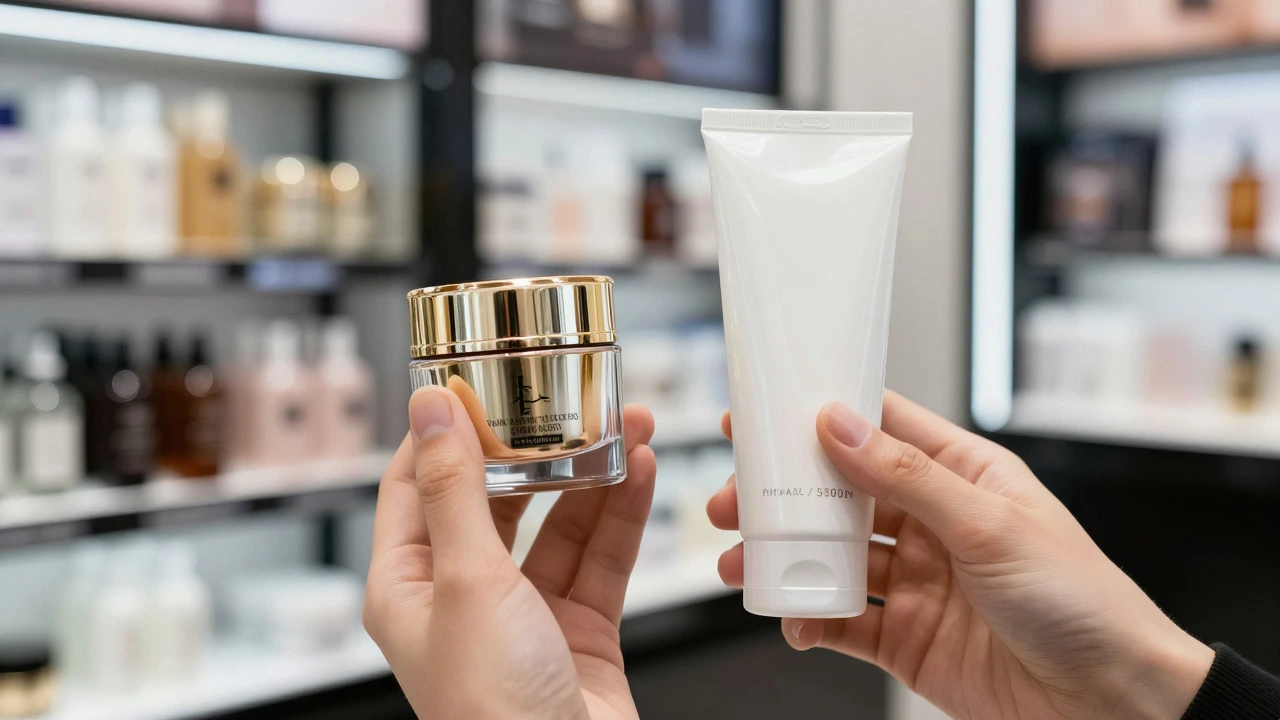
Have you ever stood in the aisle of a high-end department store, holding a jar of cream that costs more than your weekly grocery bill, wondering if it’s actually magic or just marketing? You are not alone. The beauty industry thrives on the idea that higher price equals better results. But when you break down what is actually inside those bottles, the story gets a lot more complicated.
I’ve spent years testing products from both ends of the spectrum-drugstore staples and luxury counter brands-and the reality is stark: expensive skincare is rarely worth the premium unless you are paying for specific, potent ingredients that simply don’t exist in cheaper formulas. For most people, spending hundreds of dollars on a moisturizer won’t give you noticeably different skin than a well-formulated $20 alternative. Let’s look at where your money actually goes when you buy into the hype.
Why do some skincare products cost so much?
High prices often reflect packaging, brand prestige, marketing campaigns, and retail markup rather than superior ingredient quality. Luxury brands spend heavily on celebrity endorsements and boutique packaging, which inflates the final cost to the consumer.
The Real Cost Breakdown: What Are You Paying For?
To understand if expensive skincare is worth it, we need to look at the anatomy of a product’s price tag. When you buy a $200 serum, you aren’t just buying the liquid inside. You are buying the glass bottle, the airless pump mechanism, the minimalist branding, the influencer campaign that convinced you to try it, and the margin taken by the department store selling it.
Luxury Branding is a business model that relies on perceived value, exclusivity, and aesthetic appeal rather than just functional efficacy. Companies like La Mer or Chanel invest millions in creating an experience. The heavy glass jar feels substantial. The scent is carefully engineered to smell expensive. This sensory experience is part of the product, but it doesn’t necessarily translate to better skin health.In contrast, clinical or "dermocosmetic" brands often use simpler, plastic packaging because their focus is on stability and delivery of active ingredients. They spend less on ads and more on formulation science. If you strip away the marketing budget, the actual cost of raw materials for many luxury creams is surprisingly low. Water, glycerin, and emulsifiers make up the bulk of almost every moisturizer, regardless of price.
Ingredients Matter More Than Price Tags
The single most important factor in skincare efficacy is the concentration and stability of active ingredients. An ingredient is only useful if it penetrates the skin barrier and does something beneficial there. Expensive products sometimes fail here because they prioritize texture and scent over potency.
Let’s look at Vitamin C. A cheap vitamin C serum might be ineffective because it uses an unstable form of the vitamin that oxidizes quickly. A mid-range product might use L-ascorbic acid at 15% with proper pH balancing, delivering real brightening results. A luxury brand might include trace amounts of exotic fruit extracts that sound impressive but have no proven clinical effect on human skin. In this scenario, the mid-range product wins on performance, even if it isn’t the cheapest or the most expensive.
| Factor | Budget Brands ($10-$30) | Luxury Brands ($80-$300+) |
|---|---|---|
| Active Ingredient Quality | Often high; focuses on basics like Hyaluronic Acid, Niacinamide | Variable; may include proprietary blends with unproven claims |
| Packaging Experience | Functional plastic tubes or jars | Heavy glass, airless pumps, luxurious textures |
| Marketing Spend | Low; relies on word-of-mouth and online reviews | Very high; celebrity endorsements, print ads, events |
| Sensory Appeal | Basic; may have medicinal or chemical scents | High; sophisticated fragrances and silky finishes |
If you are dealing with acne, hyperpigmentation, or signs of aging, you need actives like retinol, salicylic acid, azelaic acid, or peptides. These ingredients are available in drugstore brands like CeraVe, The Ordinary, or La Roche-Posay. They are backed by decades of dermatological research. Paying extra for these same ingredients in a luxury package is usually unnecessary.
When High-End Skincare Actually Makes Sense
Are there exceptions? Yes. There are specific scenarios where spending more can yield better results. It usually comes down to technology, stability, or sensitivity.
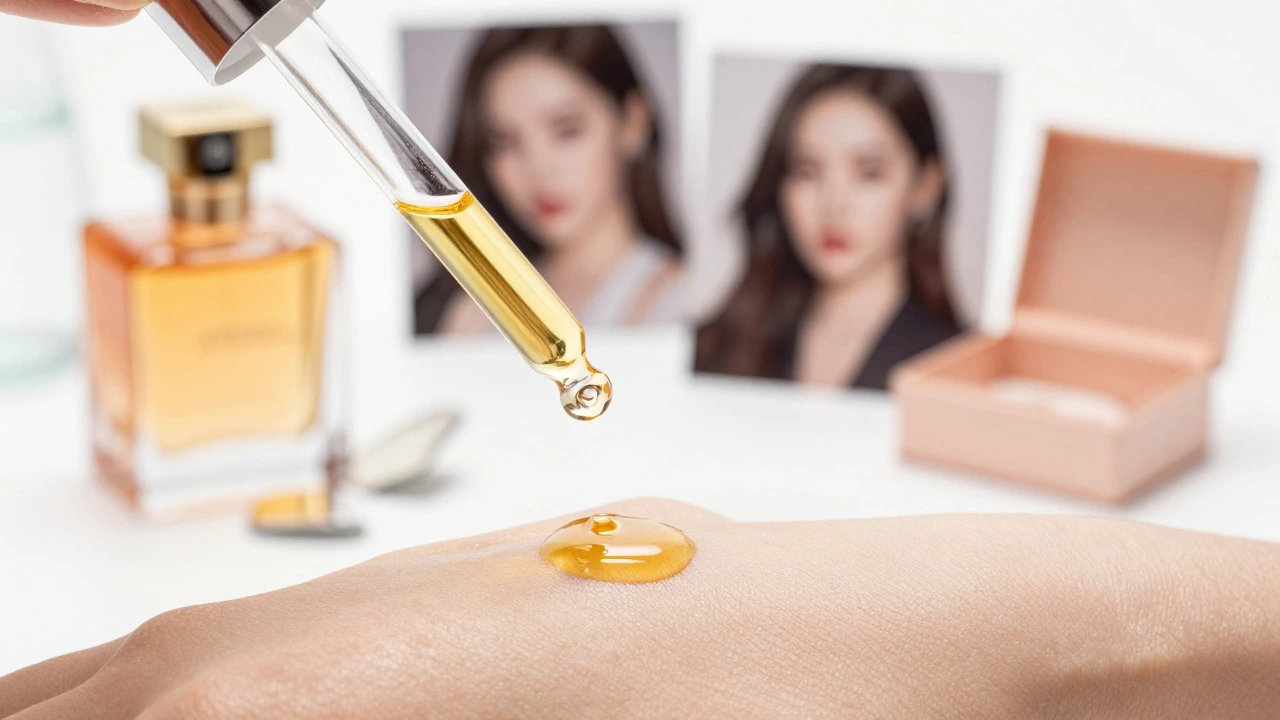
Advanced Delivery Systems are technologies that help active ingredients penetrate deeper into the skin without causing irritation. Some high-end brands invest in liposomal encapsulation or nano-emulsion technology. This allows fragile ingredients like certain growth factors or unstable antioxidants to remain effective longer and penetrate better. If a brand has patented this technology and it genuinely improves absorption, the higher price might be justified.
Another valid reason to pay more is for sensitive skin. Budget products often use cheaper preservatives and fragrance systems to keep costs down. These can be irritants. Luxury brands sometimes offer cleaner formulations with fewer potential allergens, better stabilizers, and soothing botanicals that calm reactive skin. If you have rosacea or eczema, finding a formula that doesn’t trigger a flare-up is priceless, even if it costs more.
Also, consider the "retinol" example again. While basic retinol is cheap, prescription-strength tretinoin or advanced retinoid complexes found in medical-grade skincare lines (like SkinCeuticals or Obagi) are more expensive because they undergo rigorous clinical testing. For severe photoaging, these professional-grade products often outperform over-the-counter options, regardless of whether they are sold in a pharmacy or a boutique.
The Placebo Effect and Psychological Benefits
We cannot ignore the psychological aspect of skincare. Applying a product that smells amazing, feels silky, and comes in beautiful packaging can enhance your daily routine. This ritualistic element reduces stress and increases consistency. Since consistency is key to seeing results, a product you love using is better than a product you hate, even if the latter is technically superior.
However, be careful not to confuse enjoyment with efficacy. Just because you feel pampered doesn’t mean your collagen production has increased. Use the placebo effect as a bonus, not the primary reason for purchase. If you can afford the luxury and it brings you joy, go for it. But don’t buy it expecting it to work miracles that a cheaper alternative couldn’t.
Smart Shopping Strategies for Every Budget
You don’t have to choose between breaking the bank or neglecting your skin. Here is how to build a smart routine:
- Invest in Actives: Spend your money on serums containing proven ingredients like Vitamin C, Retinol, or Peptides. Look for reputable brands that disclose concentrations.
- Save on Basics: Cleansers and basic moisturizers wash off or sit on top of the skin. You don’t need luxury versions. A gentle cleanser from a drugstore brand works perfectly fine.
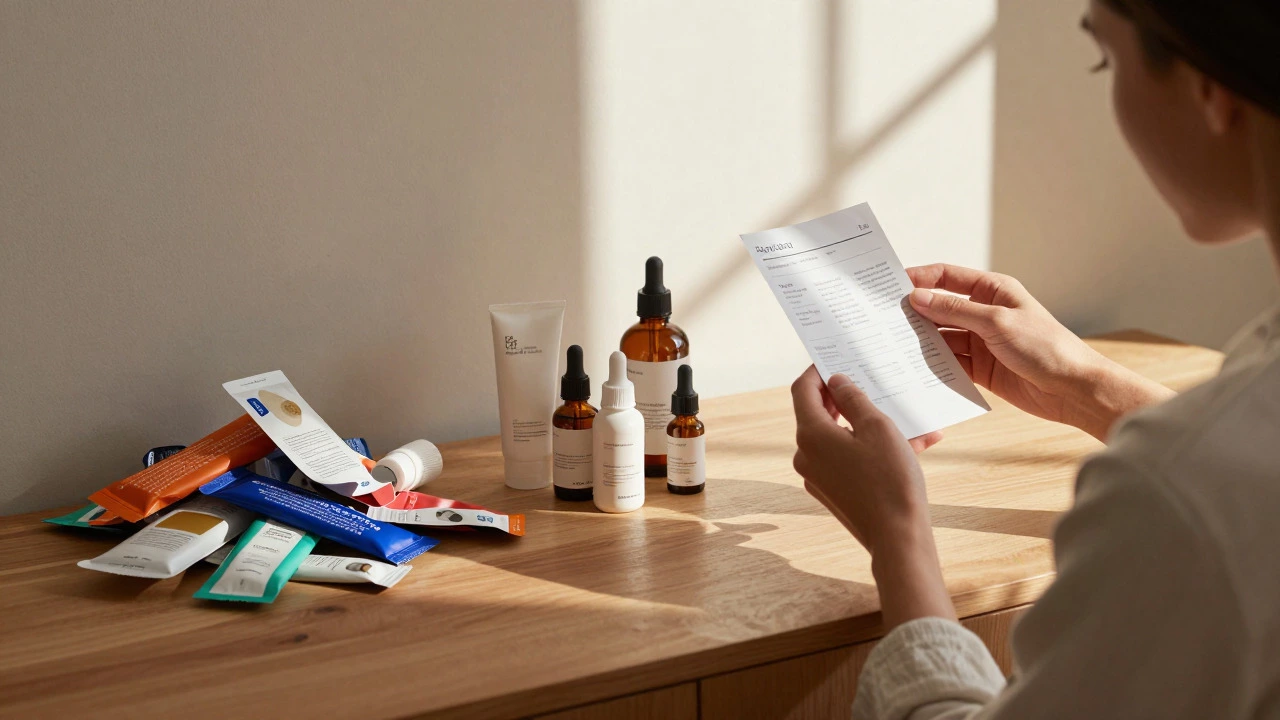
- Check Ingredient Lists: Ignore the front label hype. Read the back. If the "special" ingredient is listed near the bottom, after water and alcohol, it’s likely present in negligible amounts.
- Sample Before You Buy: Many high-end counters offer samples. Test the texture and scent. See if your skin reacts well before committing to full-size pricing.
- Consult a Professional: A dermatologist or licensed esthetician can tell you exactly what your skin needs. They often recommend medical-grade products that bridge the gap between drugstore and luxury, offering high efficacy without the extreme markup.
Conclusion: Focus on Formulation, Not Fame
So, is expensive skincare worth it? Generally, no. You are mostly paying for the brand name and the bottle. However, it is worth it if the higher price buys you better stability, advanced delivery technology, or a formulation that suits your sensitive skin type. The best skincare routine is one that uses consistent, scientifically backed ingredients tailored to your specific concerns, regardless of the price tag.
Don’t let marketing dictate your skincare choices. Educate yourself on ingredients, listen to your skin, and remember that a simple, consistent routine with affordable, effective products will always beat a chaotic, expensive one.
Does expensive sunscreen work better than cheap sunscreen?
Not necessarily. Sunscreen efficacy is determined by its SPF rating and broad-spectrum protection, which are regulated by health authorities. As long as the product is FDA-approved (or equivalent in your region) and you apply enough of it, a $15 sunscreen protects just as well as a $60 one. Expensive sunscreens may offer better cosmetic elegance (less white cast, nicer texture), which encourages regular use, but the UV protection itself is comparable.
What are the best active ingredients to look for in any price range?
Focus on Retinol (for anti-aging and acne), Vitamin C (for brightening and antioxidant protection), Niacinamide (for barrier support and pore refinement), Hyaluronic Acid (for hydration), and Salicylic Acid (for exfoliation and acne). These ingredients have extensive clinical data supporting their effectiveness across all price points.
Can natural or organic skincare replace expensive luxury products?
Natural and organic labels refer to sourcing, not necessarily efficacy. Some natural oils are excellent moisturizers, but they lack the targeted potency of synthetic actives like retinoids. Organic skincare can be effective for maintenance and hydration, but for treating specific concerns like deep wrinkles or severe pigmentation, scientifically formulated products (which may contain synthetic ingredients) are often more reliable, regardless of price.
How do I know if a product is actually working?
Give products time. Most actives take 4 to 12 weeks to show visible results. Track your skin with photos under consistent lighting. If you see improvements in texture, tone, or clarity within that timeframe, the product is working. If you experience irritation or no change after 3 months, discontinue use and consult a dermatologist.
Are drugstore brands safe compared to luxury brands?
Yes. All cosmetics sold in major markets must meet safety regulations set by bodies like the FDA (USA) or SCCS (EU). Drugstore brands undergo the same safety testing for contaminants and allergens as luxury brands. The difference lies in formulation complexity and marketing, not basic safety standards.