
Salon Tipping & Profit Calculator
1. Service Details
2. Financial Breakdown
£0.00Enter your details and click calculate to see where the money goes.
Where does the tip go?
Service Quality Assessment
Select a percentage to assess if your tip matches standard expectations.
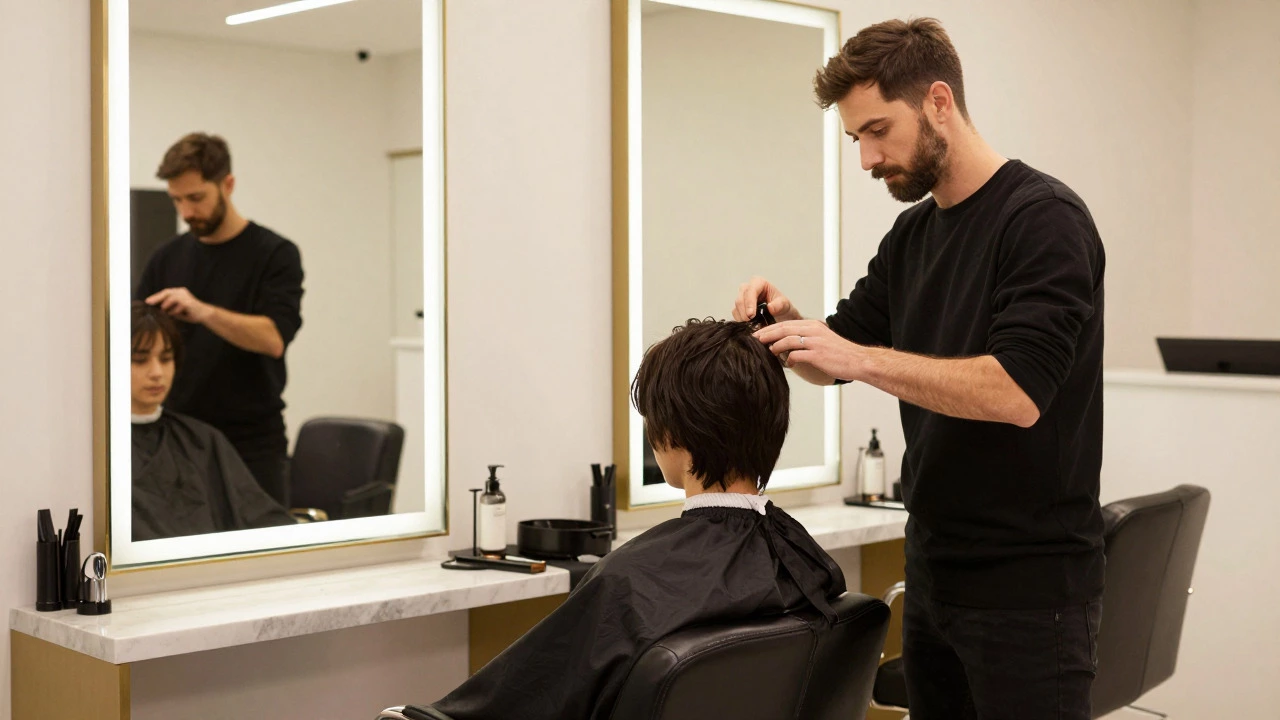
Walk into a high-end salon in Brighton or London, get a flawless cut, and feel that familiar urge to add a 10% tip. But have you ever wondered why we tip the stylist but rarely think about the person who actually owns the place? It’s a question that trips up many clients, especially when the owner is also the one cutting your hair. The answer isn’t just about manners; it’s about how money moves in the beauty industry.
The core issue is simple: salon tipping culture is deeply rooted in American influence, yet the UK operates with different wage structures. When you tip, you’re usually compensating for a base salary that might not fully reflect the skill involved. But for an owner, the math changes entirely. They aren’t just earning an hourly wage; they are managing rent, staff, stock, and overheads. Understanding this distinction helps you decide where your extra pound really goes.
The Economics of Ownership vs. Employment
To understand why tipping an owner feels awkward, you first need to look at their financial reality. A self-employed hairdresser or salon owner doesn’t receive a steady paycheck from a corporate entity. Instead, their income is what remains after all expenses are paid. This includes:
- Rent: Prime locations in cities like Manchester or Leeds can cost upwards of £3,000 per month for a small unit.
- Stock Costs: Products like shampoo, color, and styling tools are bought at wholesale but sold at retail, often with thin margins.
- Utilities and Insurance: Business rates, water, electricity, and professional liability insurance add up quickly.
- Taxes: Self-employment tax in the UK is significant, requiring careful planning to avoid hefty bills from HMRC.
When a client tips an employee, that money usually goes straight into their pocket as a bonus on top of their hourly rate. When a client tips an owner, that money goes into the business account. It helps cover the next month’s rent or restocks the supply of keratin treatments. So, while the tip is still appreciated, it functions more as a contribution to the business’s sustainability rather than a personal gift to the individual.
How Tipping Culture Differs Across Borders
If you’ve visited the United States, you know that tipping is mandatory. Waiters and bartenders earn a minimum wage that relies heavily on tips. In contrast, the UK has a National Living Wage (NLW) that employers must meet. As of 2026, the NLW for workers aged 21 and over is set at a specific rate, ensuring a baseline income. However, the beauty industry often struggles to offer salaries significantly above this minimum due to high operational costs.
This creates a hybrid model in the UK. Many salons advertise "tipping optional" because there is no legal obligation to do so. Yet, social pressure persists. Clients often tip 10-15% for exceptional service, mirroring US habits. For an owner, this dynamic is confusing. If they are working hard to keep prices competitive, does a tip help them personally, or does it just lower the effective price of the service for the client?
| Factor | Employed Stylist | Salon Owner |
|---|---|---|
| Base Income Source | Hourly wage + Commission | Profit from services - Expenses |
| Tip Destination | Personal pocket | Business account (covers overheads) |
| Risk Level | Low (fixed schedule) | High (fluctuating revenue) |
| Primary Financial Stress | Earning enough commission | Covering fixed costs (rent/utilities) |
When Should You Actually Tip the Owner?
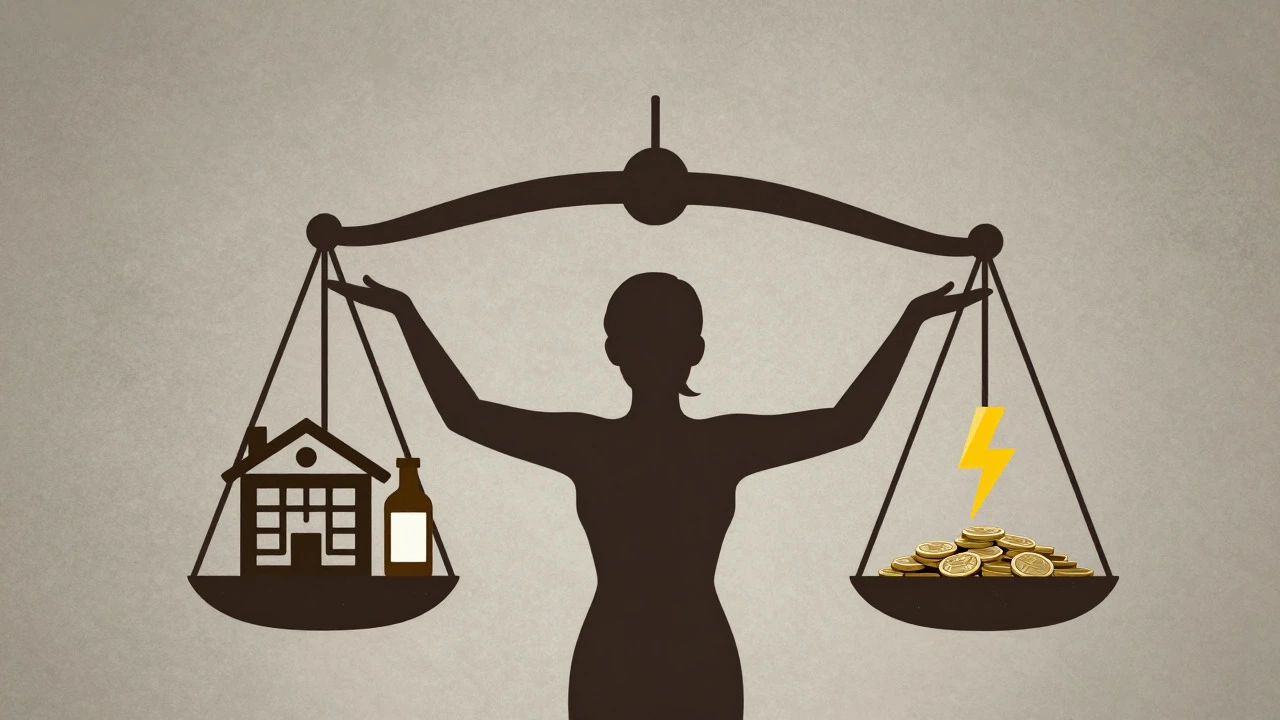
So, do you tip or not? The answer depends on the context. Here is a practical guide to navigating this social minefield.
- If the Owner is Your Stylist: Treat it like any other service. If you love your cut, leave a tip. It shows appreciation for their skill. Just remember that part of that value supports the business infrastructure.
- If the Owner is Managing While Staff Work: You don’t need to tip the owner directly unless they helped you personally. Tipping the stylist who did the work is standard practice.
- If Prices Are Already High: Some luxury salons bake the "tip equivalent" into their pricing. If a haircut costs £80, the margin is likely already substantial. In these cases, tipping is purely a gesture of delight, not a necessity.
- If You Want to Support the Local Economy: Tips help owners reinvest in better equipment or training. If you want to ensure your favorite salon stays open, consistent tipping (even if small) helps stabilize their cash flow.
A good rule of thumb: If the service exceeded expectations, tip 10%. If it was average, no tip is required. If the owner went out of their way to fix a mistake or provide extra care, a larger tip is appropriate. The key is intentionality, not obligation.
The Impact of Digital Payments on Tipping
Technology has changed how we tip. Cash tips are disappearing, replaced by card payments with added percentages. This transparency can make tipping feel more formal. When you see a prompt on your phone saying "Add 10%, 15%, or 20%?", it triggers a decision fatigue. For owners, digital tips are easier to track for accounting purposes, which is helpful for tax season.
However, digital tipping also makes it harder to give a spontaneous, heartfelt thank-you. Sometimes, a handwritten note or a verbal compliment carries more weight than a few pounds added to a receipt. If you choose to tip digitally, consider adding a comment like "Thanks for the great consultation!" to humanize the transaction.
Common Misconceptions About Salon Wages
Many people assume that hairdressers are underpaid. While true for entry-level positions, experienced stylists and owners can earn very well. The median gross annual salary for a hairdresser in the UK varies by region, but senior stylists in major cities can earn between £25,000 and £40,000+ before tips. Owners, however, can earn significantly more if their business is successful, but they also bear the risk of failure.
Misconception #1: "Owners don't need tips." False. They need every pound to survive lean months. Misconception #2: "Tips go to charity." Rarely. Unless specified, tips belong to the worker or the business. Misconception #3: "Tipping is rude if you pay full price." No. Full price covers the cost; tips reward the effort.
How to Decide Your Tipping Strategy
Before your next appointment, ask yourself three questions:
- Did I get value for money? If yes, a small tip is fair.
- Was the service exceptional? If yes, increase the percentage.
- Do I want to support this specific business? If yes, consistency matters more than size.
There is no universal law. In Brighton, for example, many independent salons thrive on community loyalty. Regulars who tip consistently often get priority booking slots or free touch-ups. This informal economy builds relationships that pure transactions cannot replicate.
Is it rude not to tip a salon owner?
No, it is not rude. Tipping is voluntary in the UK. However, if the service was excellent, leaving a tip is a polite gesture that acknowledges the skill and time invested. It is less about rudeness and more about showing appreciation.
Where does the tip money go if I tip an owner?
If the owner is self-employed, the tip typically goes into their business account. It helps cover overheads like rent, utilities, and product costs. If the owner is an employee of a larger chain, the tip may be shared or kept individually, depending on company policy.
What is the standard tipping percentage in the UK?
There is no strict standard, but 10% to 15% is common for good to excellent service. For average service, many people do not tip. The trend is moving toward 10% as a baseline for satisfactory experiences.
Should I tip if the salon uses expensive products?
Yes, if you enjoy the result. Expensive products often come with higher service standards. If the product quality contributed to a better outcome, a tip reflects that added value. However, if the price felt inflated without matching service, you can skip the tip.
Does tipping affect my future bookings?
Indirectly, yes. Salons rely on repeat business. Clients who are generous and happy are often prioritized for last-minute openings or special offers. Building a positive relationship with the owner or stylist can lead to better service in the long run.