
Cruelty-Free & Vegan Brand Checker
Select a brand from the list below to instantly verify its cruelty-free and vegan status according to major ethical guidelines.
Jergens
Why?
- Parent company (Colgate-Palmolive) conducts animal testing.
- Sells in markets requiring mandatory animal testing (e.g., China).
- Lacks Leaping Bunny or PETA certification.
Often contains Lanolin, Keratin, or non-specific Glycerin.
Better Alternatives
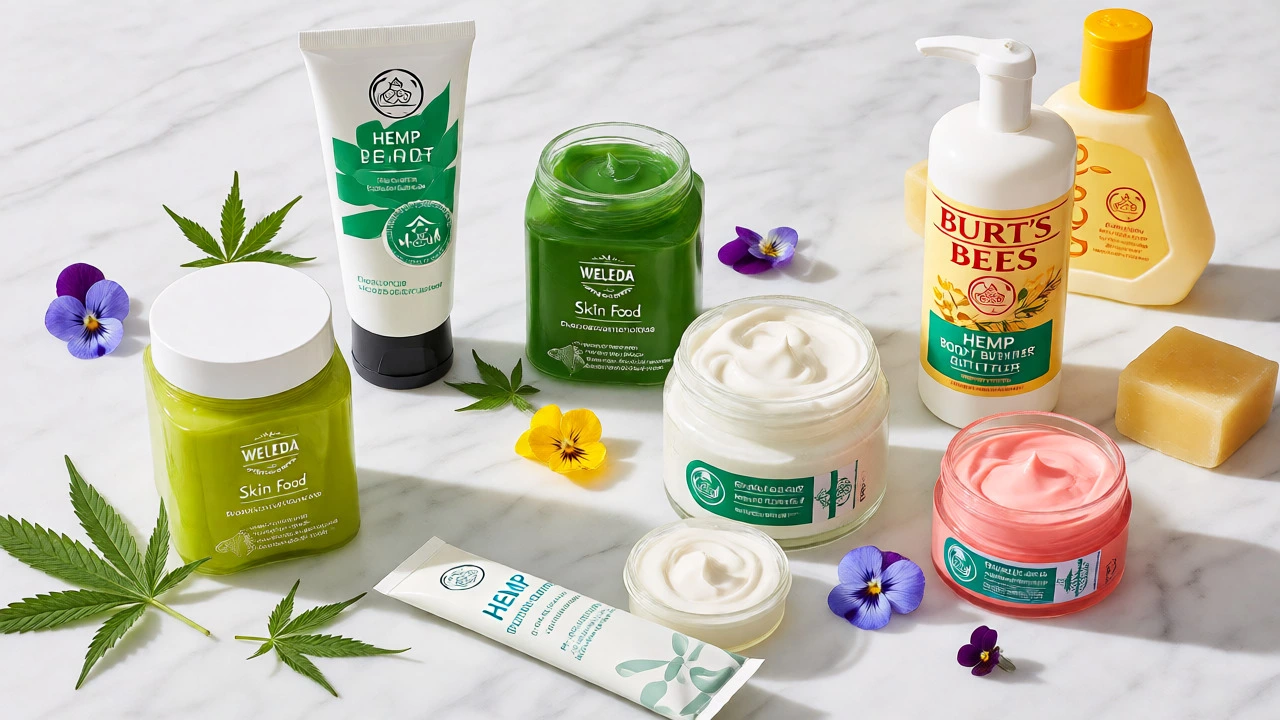
Try Weleda Skin Food or The Body Shop Hemp Body Butter for similar hydration without the ethical baggage.
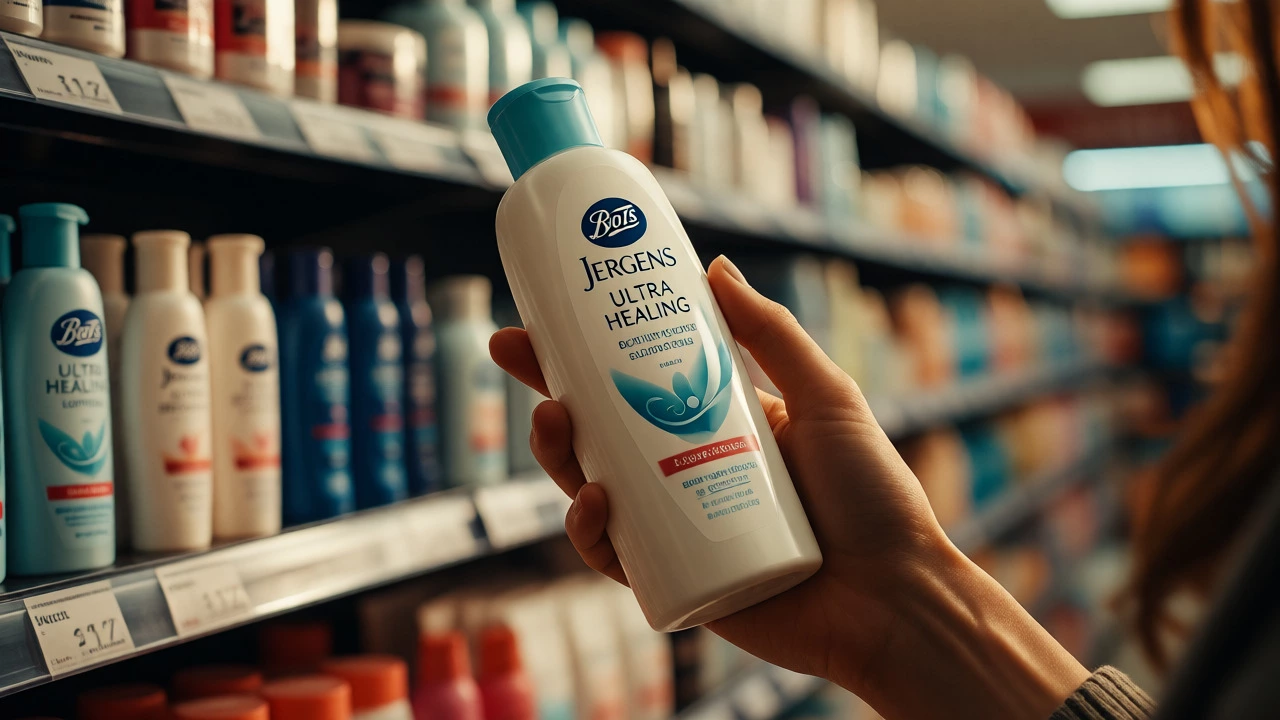
You’re standing in the aisle of your local Boots or Superdrug, holding a bottle of Jergens Ultra Healing Lotion. It’s affordable, it smells like nostalgic memories of childhood baths, and it actually works on dry elbows. But then you spot that tiny bunny logo-or maybe you don’t-and a nagging question pops up: Is Jergens cruelty-free?
The short answer is no. Jergens is not considered cruelty-free by major ethical standards. While they might not test every single product on animals themselves, their parent company and market presence complicate things significantly. If you are building a strict ethical bathroom cabinet, this brand likely needs to go back on the shelf.
What Does "Cruelty-Free" Actually Mean?
Before we dissect Jergens specifically, let’s clear up the confusion around terminology. Many people assume "cruelty-free" means the final product wasn’t tested on animals. That’s only half the story. For a brand to be truly cruelty-free, three things must be true:
- No Animal Testing at Any Stage: This includes ingredients, raw materials, and the final formula.
- No Third-Party Testing: The brand cannot pay a lab or supplier to test on animals on their behalf.
- No Sales in Countries Requiring Animal Testing: This is the big one. If a brand sells physical products in mainland China, they may be subject to mandatory animal testing laws, which disqualifies them from most cruelty-free certifications.
Brands often use vague terms like "we do not test on animals unless required by law." This loophole usually means they sell in markets where testing is mandated by the government. For strict vegans and ethical shoppers, this is a dealbreaker.
The Parent Company Factor: Why Colgate-Palmolive Matters
Jergens isn’t an independent indie brand born in a garage. It’s owned by Colgate-Palmolive, a massive multinational corporation. Colgate-Palmolive has historically been involved in animal testing for some of its brands, particularly those sold in international markets with strict regulatory requirements.
Many ethical consumers avoid brands simply because of their parent company. Even if Jergens claims their specific lotions aren’t tested, buying them supports a conglomerate that funds animal testing across other product lines (like certain shampoos or toothpastes sold globally). If your goal is to stop funding the industry’s reliance on animal models entirely, supporting Colgate-Palmolive brands feels contradictory.
Certifications: The Missing Bunny Logo
If you look closely at Jergens packaging, you won’t find the gold standard seals of approval. They lack certification from:
- Leaping Bunny: The most rigorous international standard.
- PETA Beauty Without Bunnies: A widely recognized but sometimes criticized list.
- Choose Cruelty Free (CCF): An Australian-based certifier known for strict auditing.
The absence of these logos is a strong indicator. Brands that are genuinely cruelty-free usually shout about it. They put the bunny logo front and center because it drives sales among conscious consumers. Jergens relies more on their reputation for effective moisturizing than on ethical marketing. This silence speaks volumes.

Is Jergens Vegan?
This is a separate but related question. Just because something isn’t tested on animals doesn’t mean it’s free of animal-derived ingredients. And conversely, just because it’s vegan doesn’t mean it’s cruelty-free.
Jergens products are generally not vegan. Many of their formulas contain ingredients like:
- Lanolin: Derived from sheep’s wool.
- Glycerin: Can be plant-based or animal-based (tallow). Unless specified as vegetable glycerin, it’s ambiguous.
- Keratin: Often sourced from animal horns, hooves, or feathers.
Unless the label explicitly states "100% Vegan," you should assume there are animal derivatives inside. Checking the ingredient list is crucial here. Look for botanical sources rather than generic "fatty acids" or "stearic acid" without origin clarification.
| Brand | Cruelty-Free Status | Vegan Options | Price Range | Key Ingredient Focus |
|---|---|---|---|---|
| Jergens | No (Parent company tests; China sales) | Limited/Unclear | $ | Mineral Oil, Petrolatum |
| The Body Shop | Yes (Permanent Leaping Bunny) | High Availability | $$ | Natural Oils, Fair Trade |
| Burt's Bees | Yes (Owned by Clorox, but CF status maintained) | Mostly Yes | $ | Beeswax (not vegan), Plant Extracts |
| Eucerin | No (Sells in China) | No | $$ | Urea, Ceramides |
| Weleda | Yes (NATRUE Certified) | Some | $$ | Plant-Based, Biodynamic |
Better Cruelty-Free Moisturizers to Try
If you love the thick, occlusive feel of Jergens Ultra Healing but want to switch sides, you have great options. You don’t need to sacrifice efficacy for ethics. Here are a few swaps that deliver similar results without the moral baggage.
For Dry, Cracked Skin: Weleda Skin Food
Weleda is a staple in Brighton health shops and pharmacies worldwide. Their Skin Food is legendary. It’s rich, greasy (in a good way), and packed with pansy, chamomile, and calendula. It’s NATRUE certified, meaning it meets strict criteria for natural cosmetics and cruelty-free practices. It costs more per ounce than Jergens, but a little goes a long way.
For Everyday Hydration: The Body Shop Hemp Body Butter
The Body Shop has been a pioneer in fighting animal testing since the 1980s. Their hemp line provides intense moisture comparable to petroleum-based jellies. It absorbs well enough for daytime use and leaves skin soft without the chemical scent of drugstore brands. Plus, their sourcing is transparent and community fair trade.
Budget-Friendly Option: Burt's Bees Intense Hydration Lotion
While Burt’s Bees uses beeswax (so it’s vegetarian, not vegan), they are firmly committed to no animal testing. Their lotions are affordable, widely available in supermarkets, and perform decently on moderately dry skin. If you’re looking for a direct price competitor to Jergens, this is your safest bet.
How to Verify Any Brand Yourself
Don’t just take my word for it-or any blogger’s. Make a habit of checking before you buy. Here’s a quick checklist to keep in your pocket next time you’re shopping for body care.
- Check the Logos: Look for the Leaping Bunny or PETA bunny. These are verified, not self-proclaimed.
- Search the Parent Company: Type "[Brand Name] parent company animal testing" into a search engine. Big corporations often have mixed portfolios.
- Look for "Vegan": If a product says vegan, it definitely has no animal ingredients. Check if it also says cruelty-free. Sometimes they differ.
- Read the Fine Print: Avoid phrases like "may contain traces of" or "tested on animals where required by law." These are red flags for ethical shoppers.
- Use Apps: Apps like Think Dirty or EWG Skin Deep can scan barcodes and give you instant feedback on safety and ethical ratings.
The Bottom Line on Jergens
Jergens remains a popular choice for sheer convenience and low cost. If your primary concern is fixing dry skin quickly and cheaply, and animal welfare isn’t a top-tier priority for you, Jergens will do the job. However, if you are trying to align your consumption with your values, it fails the test.
The combination of selling in regulated markets like China, lacking third-party cruelty-free certification, and being owned by a large conglomerate makes it hard to defend as an ethical choice. With so many high-quality, plant-based alternatives hitting the shelves recently, sticking with Jergens feels like clinging to outdated habits rather than making a necessary purchase.
Does Jergens test on animals?
Jergens does not claim to test finished products on animals directly. However, because they sell in countries where animal testing is required by law, and their parent company Colgate-Palmolive conducts animal testing, they are not considered cruelty-free by major organizations like Leaping Bunny or PETA.
Are all Jergens products vegan?
No. Most Jergens products are not vegan. They often contain ingredients derived from animals such as lanolin, keratin, or non-specific glycerin. Always check the ingredient list for specific plant-based confirmations if you follow a vegan lifestyle.
Who owns Jergens?
Jergens is owned by Colgate-Palmolive, a global consumer products company. This ownership structure impacts its cruelty-free status, as Colgate-Palmolive allows animal testing for certain brands in specific international markets.
Is Jergens safe to use?
Yes, Jergens is generally considered safe for topical use by regulatory bodies like the FDA and EU Commission. However, some individuals may react to fragrances or mineral oils found in their formulations. Patch testing is always recommended for new skincare products.
What is the best cruelty-free alternative to Jergens Ultra Healing?
For a similar heavy-duty moisturizing effect, try Weleda Skin Food or The Body Shop Hemp Body Butter. Both are certified cruelty-free, use natural ingredients, and provide deep hydration for very dry skin areas.