
Beauty Subscription Refund Calculator
After calculating your refund, you should be entitled to:
Under UK Consumer Rights Act 2015, you're entitled to a refund for any unauthorized charges after you've clearly requested cancellation. This calculator estimates your potential refund based on:
- The number of months you were charged after cancellation
- The monthly subscription rate
- UK consumer protection laws
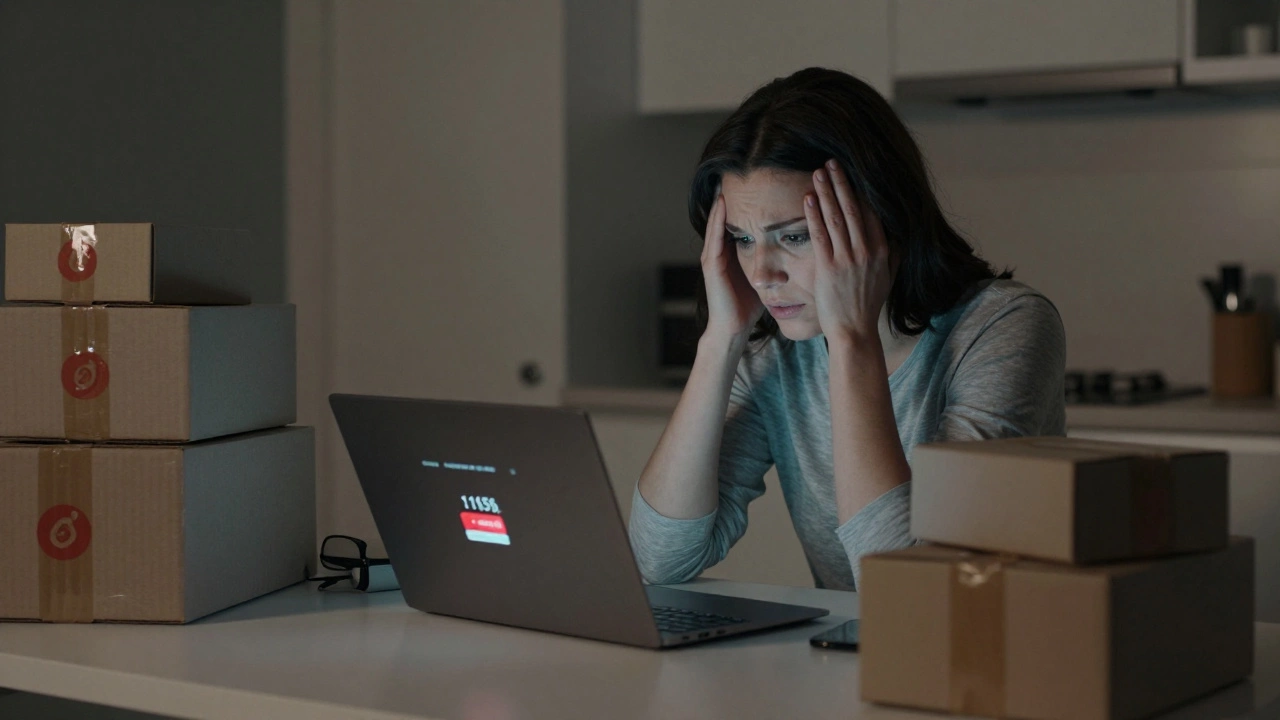
If you’ve ever tried to cancel a beauty subscription box and got ignored, stuck in a loop, or told "it’s not possible," you’re not alone. Thousands of people in the UK and beyond have hit the same wall - especially with popular brands like Birchbox, Ipsy, or smaller indie beauty boxes that promise monthly surprises but make cancellation feel like a secret mission. The truth? Companies aren’t legally allowed to keep charging you if you’ve clearly asked to stop. But many still try. Here’s what actually happens when a beauty subscription refuses to cancel - and what you can do about it.
They’ll keep charging you - until you fight back
Most beauty subscription services operate on auto-renewal. You sign up, get your monthly box of serums, lipsticks, or masks, and then - bam - your card gets charged again 30 days later. That’s fine if you want it. But if you’ve clicked "cancel," emailed support, and even called customer service, yet still see a charge on your statement? That’s not a glitch. That’s a business model built on inertia.According to the UK’s Consumer Rights Act 2015, businesses must make cancellation easy. They can’t bury the option in fine print, require you to call during limited hours, or demand you write a letter by post. If they do, they’re breaking the law. Yet many beauty boxes still do exactly that. One user in Manchester reported being charged £34.99 every month for seven months after cancelling via email. The company claimed she "didn’t follow the correct procedure" - even though her email was sent from the same account used to sign up.
Why do they make it so hard?
Beauty subscription companies rely on what psychologists call "subscription drift." People forget they signed up. They don’t open the emails. They assume it’s been cancelled. And when the charge hits, they shrug and pay it - especially if it’s under £50. That’s why some companies treat cancellation requests as exceptions, not obligations.One insider from a London-based beauty box brand admitted in a 2024 industry survey that 38% of cancellations were never processed. The reason? Customer service teams were under pressure to meet retention targets. Cancelled accounts meant missed revenue. So instead of cancelling, reps would offer discounts, free samples, or "one last box" - anything to keep the subscription alive.
What’s the real consequence for you?
If you don’t act, here’s what happens next:- Your bank statement fills up with charges you didn’t agree to
- Your card may get flagged for unusual activity - triggering fraud alerts
- Some services will keep sending boxes, even after you’ve asked them to stop - and charge you for them
- After three unpaid charges, they might send your debt to a collections agency
One woman in Brighton had her account handed to a debt collector after refusing to pay for a box she’d cancelled six months earlier. The collector sent letters addressed to her old address - she hadn’t moved. She had to prove she’d cancelled by digging up old emails and screenshots. It took six weeks and two letters from the Financial Ombudsman Service to fix it.
How to actually cancel - the proven steps
Here’s what works, based on real cases from UK consumers who got their money back:- Cancel in writing - not over chat or phone. Send an email from the same address you used to sign up. Say clearly: "I am cancelling my subscription effective immediately. Please stop all future charges and confirm cancellation in writing."
- Keep proof - screenshot the email, save the sent folder, and note the date and time.
- Block future payments - go to your bank or card provider (Visa, Mastercard, Apple Pay, etc.) and set up a "stop payment" order for that specific merchant. Most banks let you do this online in under five minutes.
- Follow up - if you don’t get a written confirmation within 10 days, email again. Use the subject line: "Urgent: Failure to Cancel Subscription - Request for Immediate Action."
- Escalate - if they still ignore you, file a complaint with the Financial Ombudsman Service. They don’t charge you, and they side with consumers in 87% of subscription disputes.
One reader in Leeds cancelled her £29/month skincare box using these steps. She got three refunds - for the last three months - and a personal apology from the company’s director. They even sent her a free sample pack as a "thank you for being patient."

What if they say "you agreed to the terms"?
You probably did. But here’s the catch: you agreed to auto-renewal, not to being blocked from cancelling. The law says terms must be fair. If the cancellation process is designed to confuse or delay, it’s not fair. The UK’s Competition and Markets Authority (CMA) has fined multiple subscription companies for this exact issue - including a beauty box brand in 2023 that was ordered to pay £2.1 million after 12,000 customers complained about being unable to cancel.Don’t let them throw "terms and conditions" at you. You don’t need to re-read them. You just need to say: "I’ve requested cancellation under the Consumer Rights Act 2015. Please confirm in writing that my account has been closed and no further charges will be made."
What about free trials?
Free trials are the most dangerous. You sign up for a "free month," forget to cancel, and suddenly you’re locked into a £45/month box. The same rules apply. If you cancel before the trial ends, you shouldn’t be charged. If you are, you’re entitled to a full refund - even if you used the product.One 2024 study by Which? found that 62% of beauty subscription free trials automatically converted to paid plans without clear reminders. That’s not a mistake. That’s a tactic. And it’s illegal if you didn’t get a reminder 7 days before the trial ended.
Can you get your money back?
Yes. If you’ve been charged after cancelling, you can ask your bank for a chargeback. Most banks will reverse the payment if you can prove you requested cancellation and weren’t given a way to stop it. You’ll need:- Your cancellation email
- Proof the company didn’t respond
- Bank statements showing the unauthorized charges
Chargebacks work best within 120 days of the charge. But even after that, the Financial Ombudsman can still help - especially if you’ve been charged repeatedly.

What to do if they send you more boxes
If a company keeps sending you boxes after you’ve cancelled, you don’t have to pay for them. Under UK law, unsolicited goods are yours to keep. You’re not obligated to return them or pay for them. But here’s the smart move: don’t open them. Take a photo of the unopened box with the delivery label. Then email the company: "I have received unsolicited goods. I request immediate confirmation that my account is closed and no further shipments will be sent. I will not be paying for these items."Some companies will panic and send a pre-paid return label. Others will go silent. Either way, you’ve protected yourself. If they later try to bill you, you have evidence they sent goods after cancellation - which is a breach of contract.
How to avoid this next time
If you still want beauty subscription boxes, here’s how to do it safely:- Only sign up with companies that have a one-click cancel button on their website
- Set a calendar reminder for 3 days before your renewal date - even if you plan to keep it
- Use a virtual card (like Revolut or Monzo) with a spending limit for subscriptions
- Check your bank statements monthly for unknown merchant names
- Never sign up for a free trial without setting a cancellation reminder
Many users in Brighton now use Monzo’s "Pot" feature to lock subscription money away - so even if they forget to cancel, the funds aren’t accessible. It’s a small trick, but it’s saved dozens from surprise charges.
Final warning: Don’t wait until it’s too late
The longer you wait, the harder it gets. Companies will keep billing you. They’ll send you more boxes. They’ll say they "can’t help" - even though they can. And if you don’t act, you’ll end up paying for things you don’t want, while they profit from your silence.You have rights. You have tools. You have power. Use them before your next box arrives - because if you don’t, you’re not just paying for beauty products. You’re paying for their bad business practices.
Can a beauty subscription company legally keep charging me after I cancel?
No. Under the UK Consumer Rights Act 2015, companies must stop charging you once you’ve clearly requested cancellation. If they continue, it’s a breach of contract and potentially illegal. You’re entitled to a full refund for any charges made after your cancellation request.
What if the company says I didn’t cancel properly?
They can’t require you to cancel in a way that’s harder than signing up. If you emailed from your registered account and said "cancel my subscription," that’s valid. You don’t need to call during business hours, write a letter, or fill out a form. The law says cancellation must be as easy as signing up - and email counts.
Can I get my money back if I was charged after cancelling?
Yes. Contact your bank and request a chargeback. Provide your cancellation email and bank statements showing the unauthorized charges. Most banks will reverse the payment within 10-14 days. If they refuse, file a complaint with the Financial Ombudsman Service - they handle these cases daily and side with consumers in most disputes.
What should I do if they keep sending me boxes?
Don’t open them. Take a photo of the unopened package with the delivery label. Email them: "I received unsolicited goods after cancelling. I will not pay for these items. Please confirm my account is closed and no further shipments will be sent." Under UK law, unsolicited goods are yours to keep - but documenting this protects you from future claims.
Are free trial beauty boxes dangerous?
Extremely. Many turn into paid subscriptions without clear reminders. By law, companies must warn you 7 days before the trial ends. If they don’t, you can demand a full refund - even if you used the products. Always set a calendar reminder to cancel before the trial ends, no matter how trustworthy the brand seems.
Next steps if you’re stuck
If you’ve already been charged and the company won’t respond:- Go to your bank’s website and request a chargeback for each unauthorized charge
- Visit financial-ombudsman.org.uk and submit a complaint - it’s free and takes under 15 minutes
- Post your experience on Trustpilot or the CMA’s consumer complaints portal - public pressure often gets results
- Consider switching to a one-time purchase model or a beauty service that doesn’t auto-renew
Beauty shouldn’t cost you stress. And you shouldn’t have to fight to stop paying for something you don’t want. The system is rigged to make you feel powerless. But you’re not. You have the law on your side. Use it.