
Cruelty-Free & Vegan Beauty Checker
Are you sure you know what's in your makeup bag? Take this quick quiz to see if you can distinguish between marketing buzzwords and certified ethical standards.
1. What is the primary difference between "Vegan" and "Cruelty-Free"?
2. Why might a brand like Kylie Cosmetics not be listed as "Certified Cruelty-Free" by major organizations?
3. Which parent company acquired Kylie Cosmetics, potentially impacting its global distribution strategy?
4. If you want a guaranteed cruelty-free alternative with similar aesthetic trends, which brand should you look for?
Answer all questions to see your score.
Here is the short answer that might surprise you: Kylie Cosmetics is not currently certified as cruelty-free by major organizations like Leaping Bunny or PETA. While the brand claims to be "vegan" and "cruelty-free" in its marketing, the reality is more complicated. If you are strictly avoiding products tested on animals, you need to look closer at where they sell and how they define their terms.
This confusion isn't unique to Kylie Jenner’s empire. It is a common trap in the modern beauty industry. Brands love using buzzwords like "clean," "natural," and "ethical." But without third-party verification, these words often mean very little. Let's break down exactly what is happening with Kylie Cosmetics, why the distinction between "vegan" and "cruelty-free" matters, and what you should buy if ethical standards are non-negotiable for you.
The Difference Between Vegan and Cruelty-Free
Before we judge the brand, we have to clear up the biggest misconception in beauty shopping. Many people use "vegan" and "cruelty-free" interchangeably. They are not the same thing.
A product is Vegan when it contains no animal-derived ingredients such as beeswax, lanolin, carmine, or collagen. A product is Cruelty-Free when it has not been tested on animals at any stage of production, including by suppliers or third parties.
You can have a vegan lipstick that was tested on rabbits. You can also have a cruelty-free mascara that contains beeswax. Kylie Cosmetics markets itself heavily on being vegan. Most of their lip kits and eyeshadow palettes do not contain animal by-products. However, claiming to be vegan does not automatically prove that no animals were harmed during safety testing.
Why Kylie Cosmetics Is Not Certified Cruelty-Free
If Kylie Cosmetics says it doesn't test on animals, why aren't they listed on the Leaping Bunny or PETA Beauty Without Bunnies lists? The answer usually comes down to one factor: China.
For years, mainland China required mandatory animal testing for imported cosmetics. Even though regulations changed in 2021 to allow some exemptions for "general cosmetics," many international brands still choose to sell in physical stores in China. If a brand sells in physical retail locations in mainland China, they may be subject to post-market animal testing if a consumer complains about a reaction.
Kylie Cosmetics has expanded globally. While they started as an online-only DTC (Direct-to-Consumer) brand, which allowed them to bypass Chinese import laws initially, their distribution network has grown. Major retailers like Ulta Beauty carry their products. Ulta is a US-based retailer, so selling there is safe. However, the lack of official certification suggests the brand has not committed to the strict supply chain audits required by Leaping Bunny. This means they haven't proven that every single ingredient supplier avoids animal testing either.
What Does "Cruelty-Free" Actually Mean?
To be truly cruelty-free, a brand must meet three strict criteria:
- No animal testing by the company: The brand itself does not test finished products or ingredients on animals.
- No animal testing by suppliers: The companies providing the raw materials (like mica or pigments) do not test on animals.
- No sales in countries requiring animal testing: The brand does not sell in physical stores in markets where animal testing is legally mandated for imported goods.
Kylie Cosmetics states on their website that they do not test on animals. But they do not provide a detailed breakdown of their supplier policies. Without this transparency, you are taking their word for it. In the world of conscious consumerism, trust is good, but verification is better.
Is Kylie Cosmetics Vegan?
This part is much clearer. Yes, the vast majority of Kylie Cosmetics products are vegan. The brand has made a significant effort to remove animal-derived ingredients from their formulations.
Common non-vegan ingredients found in other makeup lines include:
- Carmine: A red pigment derived from crushed cochineal insects. Often used in red lipsticks and blushes.
- Beeswax: Used in mascaras and lip balms for texture.
- Lanolin: Derived from sheep's wool, often found in creams and foundations.
- Guanine: Made from fish scales, used for shimmer in highlighters.
Kylie Cosmetics explicitly labels most of its bestsellers, like the Lip Kits and Matte Liquid Liners, as vegan. If your primary concern is avoiding animal by-products in your skin, Kylie is a solid choice. But remember, vegan status does not guarantee ethical treatment of animals during testing phases.
How to Verify Any Brand Yourself
Don't just rely on the back of the box. Here is a quick checklist to determine if a brand is genuinely cruelty-free.
| Check Item | What to Look For | Red Flags |
|---|---|---|
| Certification Logos | Leaping Bunny or PETA logo on packaging or website footer. | Generic bunny logos created by the brand itself. |
| Sales Locations | Online only, or sold in countries without mandatory testing (US, EU, UK). | Physical retail presence in mainland China. |
| Supplier Policy | Statement confirming suppliers do not test on animals. | Vague language like "we try to avoid" or no mention of suppliers. |
| Parent Company | Parent company is also cruelty-free. | Owned by L'Oréal, Estée Lauder, or Unilever (unless subsidiary is independently certified). |
Notice the parent company check. This is crucial. Kylie Cosmetics was acquired by Coty Inc. in 2020. Coty owns many brands, some of which are not cruelty-free. While owning a brand doesn't automatically make it non-cruelty-free, it raises questions about corporate pressure to enter high-volume markets like China, where testing might be required for Coty's broader portfolio strategy.
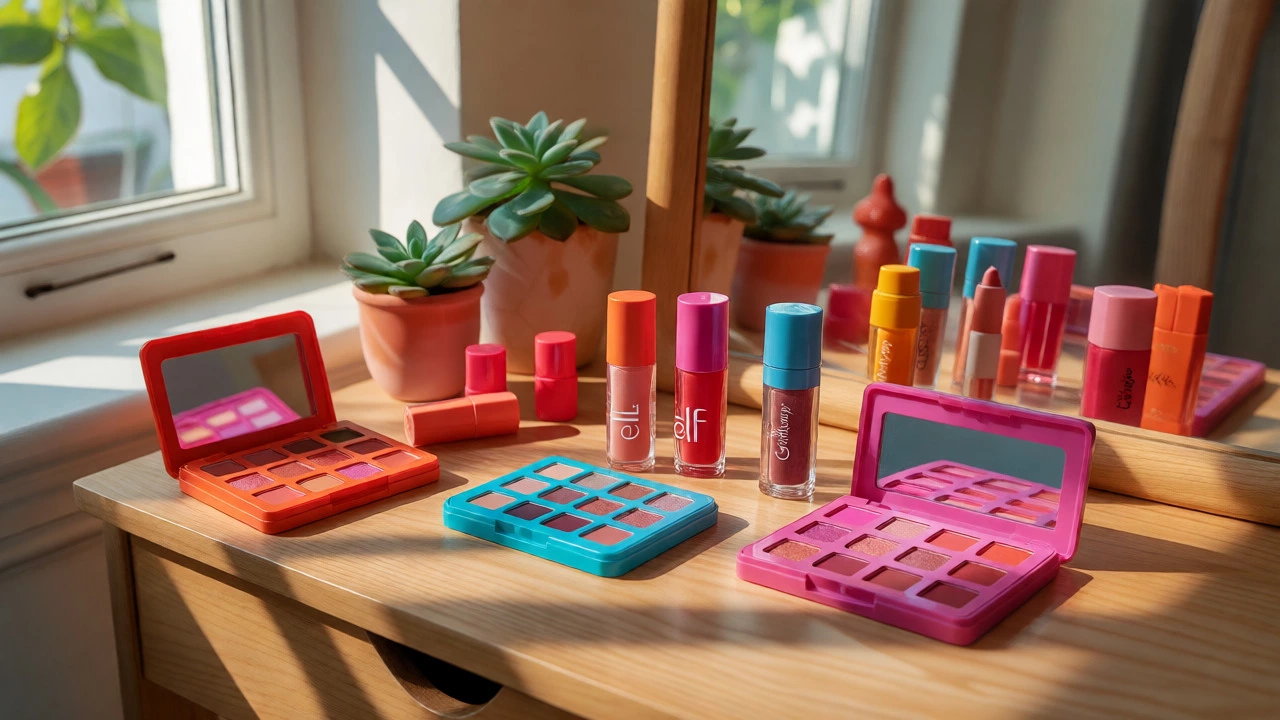
Top Cruelty-Free Alternatives to Kylie Cosmetics
If you want the trendy aesthetic of Kylie Cosmetics but need guaranteed ethical standards, consider these alternatives. These brands are certified by Leaping Bunny or PETA and offer similar product types.
- e.l.f. Cosmetics: Highly affordable, widely available, and fully certified cruelty-free. Their lip oils and liquid liners compete directly with Kylie's bestsellers.
- ColourPop: Known for bold colors and collaborations. They are certified by PETA and offer a wide range of vegan options.
- Tarte Cosmetics: Slightly higher price point, but famous for their Amazonian Clay line. Tarte is certified cruelty-free by PETA.
- Milk Makeup: A leader in the "clean" beauty movement. Fully vegan and cruelty-free, with a focus on skincare-makeup hybrids.
The Future of Ethical Beauty
The landscape is changing. As consumers become more educated, brands are under more pressure to prove their claims. We are seeing more brands moving away from physical retail in China to maintain their cruelty-free status. Others are investing in alternative testing methods like lab-grown human skin models.
For now, if you buy Kylie Cosmetics, you are supporting a brand that likely uses vegan ingredients but lacks independent verification for animal testing protocols. It is not necessarily "bad," but it is not "certified good" either. Your decision depends on whether you prioritize ingredient purity (vegan) or process ethics (cruelty-free certification).
Does Kylie Cosmetics test on animals?
Kylie Cosmetics states that they do not test on animals. However, they are not certified by major organizations like Leaping Bunny or PETA. This lack of certification means their supply chain testing practices are not independently verified, leaving some uncertainty regarding third-party testing.
Are all Kylie Cosmetics products vegan?
Most Kylie Cosmetics products are vegan, meaning they do not contain animal-derived ingredients like beeswax or carmine. The brand clearly labels which specific items are vegan on their website and packaging. Always check the individual product description to be sure.
Who owns Kylie Cosmetics?
Kylie Cosmetics is owned by Coty Inc., a global beauty giant. Coty acquired a majority stake in the brand in 2020. Being owned by a large conglomerate can sometimes impact a brand's ability to remain strictly cruelty-free if the parent company prioritizes markets that require animal testing.
Is Kylie Cosmetics sold in China?
Kylie Cosmetics has expanded its distribution globally. While they started online, their availability in international markets raises concerns about potential exposure to Chinese market regulations. If a brand sells in physical stores in mainland China, they risk being subject to mandatory animal testing.
What is the difference between vegan and cruelty-free makeup?
Vegan makeup contains no animal-derived ingredients. Cruelty-free makeup has not been tested on animals. A product can be vegan but tested on animals, or cruelty-free but contain animal ingredients like honey or lanolin. To be both, a product must meet both criteria.