
Microneedling Cost Calculator
Your Skin Concerns
Select what you want to treat
Is microneedling worth it? That’s the question a lot of people ask after scrolling through Instagram before bed. You see glowing skin, zero downtime, and claims that it ‘reverses aging’-but then you check the price tag and wonder if it’s just another beauty scam. Let’s cut through the noise. Microneedling isn’t magic. But for some people, it’s one of the few treatments that actually delivers noticeable results without surgery or lasers. Here’s what really happens when you do it-and whether you should try it.
What microneedling actually does
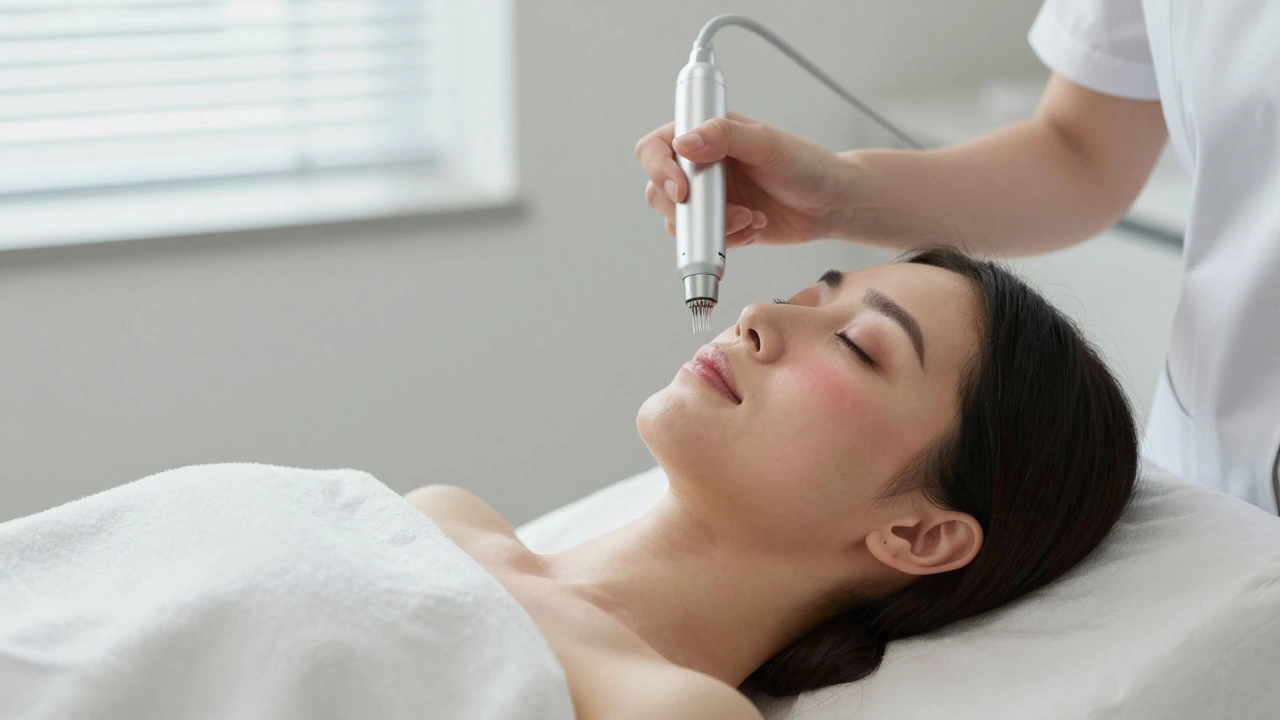
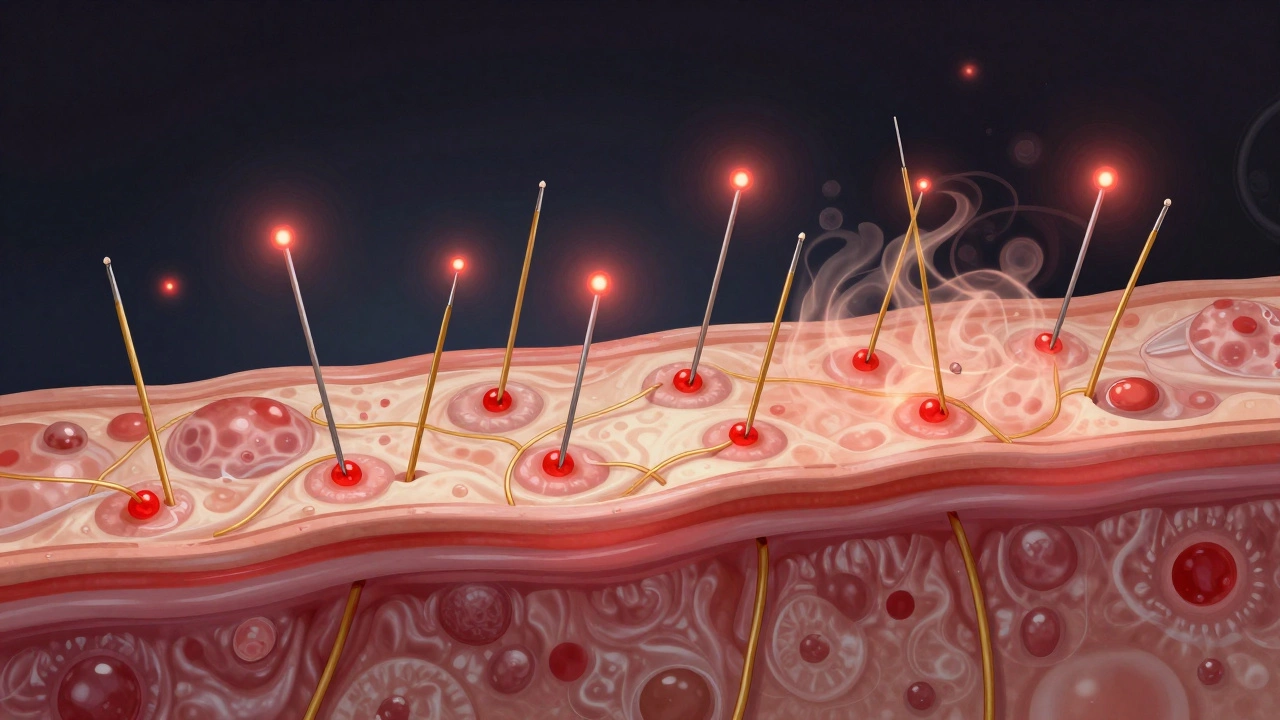
Microneedling uses a device with tiny needles to create micro-injuries in your skin. Sounds scary? It’s not. The needles are so fine they barely scratch the surface-usually 0.5 to 2.5 millimeters deep. Your skin doesn’t panic. It responds. Think of it like giving your skin a gentle wake-up call. The body sends collagen and elastin to the spots where the needles poked. That’s it. No chemicals. No heat. Just your body fixing what it thinks is damage.
This isn’t new. Dermatologists have used this method since the early 2000s. Back then, it was called collagen induction therapy. Now it’s marketed as a spa treatment, but the science hasn’t changed. Studies from the Journal of Clinical and Aesthetic Dermatology in 2023 showed that after three sessions, 82% of participants saw measurable improvement in acne scars. Another 2024 study found a 40% increase in skin thickness after four treatments spaced four weeks apart.
What it works best for
Microneedling isn’t a cure-all. It’s good at some things, bad at others. Here’s what it actually improves:
- Acne scars - Especially rolling and boxcar scars. The collagen boost fills in the dips.
- Fine lines and wrinkles - Not deep wrinkles, but the ones around your eyes or mouth that show up when you smile.
- Pore size - Not because it shrinks pores (they can’t shrink), but because plumper skin makes them look less obvious.
- Skin texture - If your skin feels rough or uneven, microneedling smooths it out over time.
- Stretch marks - Mild to moderate ones, especially on the hips or stomach. Results are slow but real.
What it doesn’t fix? Deep wrinkles from sun damage, sagging skin from gravity, or dark spots from melasma. For those, you need lasers, chemical peels, or prescription creams.
What you’ll feel during and after
Most clinics use numbing cream before the procedure. So you’ll feel pressure, maybe a light scratching, but not pain. The whole thing takes about 30 minutes. Afterward, your skin looks like a bad sunburn. Red, tight, maybe a little swollen. That’s normal. It fades in 24 to 48 hours.
You can’t wear makeup for 24 hours. You can’t go in the sun for a week. And you absolutely can’t use retinoids, AHAs, or vitamin C for 3 to 5 days. If you skip this part, you risk irritation or worse-hyperpigmentation. I’ve seen clients ruin their results by applying their favorite serum too soon. Don’t be that person.
How many sessions do you need?
One session? You won’t notice much. Three to six sessions, spaced four to six weeks apart, is the sweet spot. That’s what most dermatologists recommend. After that, maintenance every 6 to 12 months keeps things looking fresh.
Why so many? Because collagen doesn’t build overnight. It takes 6 to 8 weeks for your body to produce enough new fibers to show up on your skin. That’s why results creep in slowly. Most people start seeing changes around week 6. Peak results? Usually at 3 months.
Costs in 2026
Here’s the real kicker: microneedling isn’t cheap. In Brighton, a single session runs £120 to £200. A full course of six? That’s £700 to £1,200. Some clinics offer packages, but always ask what’s included. Does it include numbing cream? Post-care serum? Aftercare advice? If not, you’ll end up buying those separately.
At-home devices? They exist. But they’re not the same. Most home rollers have needles under 0.5mm-too shallow to trigger real collagen production. The only ones that come close are motorized devices like the SkinPen, which cost £300 to £500. Even then, they’re not as effective as professional treatments. You’ll need to do them monthly for a year to match one professional session. That adds up.
Side effects you need to know
Most people have zero issues. But here’s what can go wrong:
- Infection - If the device isn’t sterile or you don’t clean your skin properly afterward.
- Herpes flare-ups - If you’re prone to cold sores, microneedling near your lips can trigger an outbreak. Tell your provider if you’ve ever had them.
- Hyperpigmentation - Especially in darker skin tones. This happens if you get too much sun or use harsh products too soon.
- Scarring - Rare, but possible if the technician goes too deep or uses a dirty device.
Always ask if the clinic uses single-use, sterile cartridges. If they don’t, walk out. That’s non-negotiable.
Microneedling vs. laser treatments
People often compare microneedling to fractional lasers like Fraxel. Here’s the difference:
| Factor | Microneedling | Laser (Fraxel) |
|---|---|---|
| How it works | Physical micro-injuries → collagen | Heat-based damage → skin renewal |
| Downtime | 1-2 days | 5-7 days |
| Pain level | Mild | Medium to high |
| Best for | Texture, scars, mild aging | Deep wrinkles, sun damage, pigmentation |
| Cost per session | £120-£200 | £300-£600 |
| Suitable for darker skin | Yes | Risky |
If you have darker skin or just want to improve texture without downtime, microneedling wins. If you have deep sun damage or want faster, dramatic results, lasers are better-but they come with more risk and cost.
Who should avoid it
Microneedling isn’t for everyone. Skip it if you:
- Have active acne (it can spread bacteria)
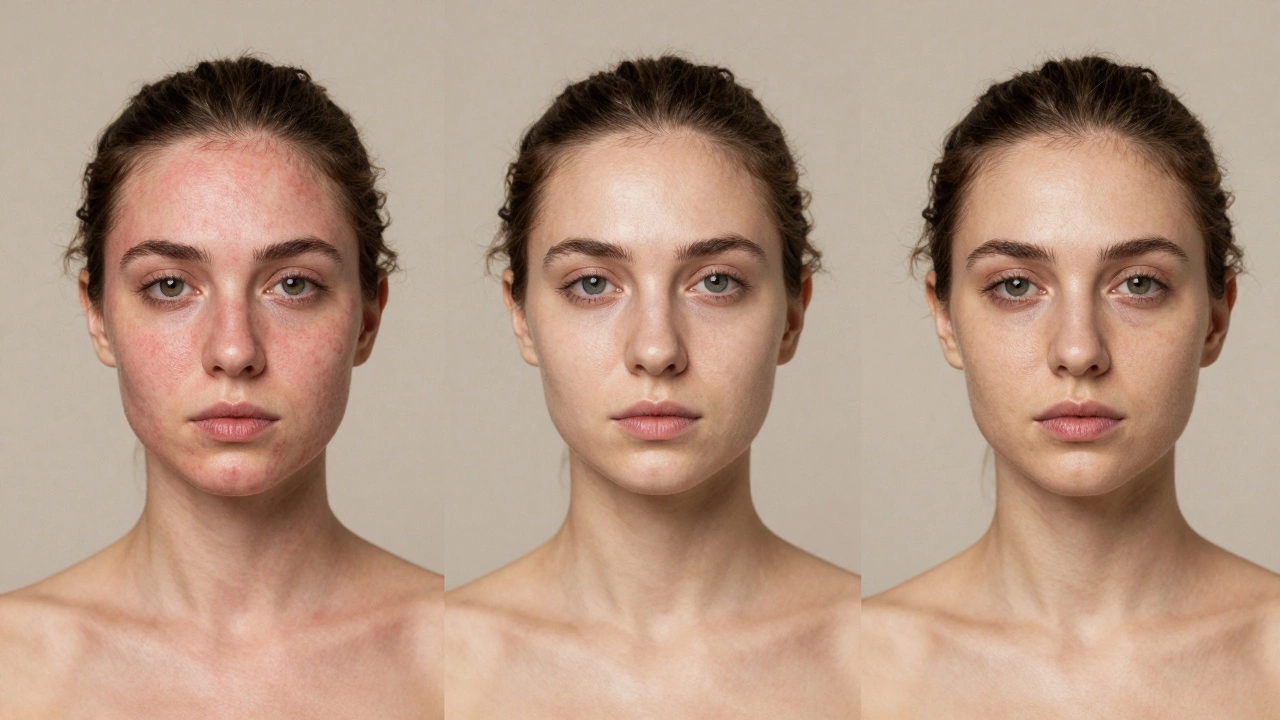
- Have rosacea or eczema flare-ups
- Are on blood thinners
- Have a history of keloid scarring
- Are pregnant or breastfeeding
Also, don’t do it if you’ve had fillers in the last 6 weeks. The needles can shift them. And if you’ve had radiation therapy to your face? Talk to your oncologist first.
Real results: what to expect
I’ve talked to over 50 people who’ve done microneedling in Brighton. Here’s the pattern:
- Week 1 - Skin looks red, feels tight. You feel like you made a mistake.
- Week 3 - Redness gone. Skin feels smoother. You notice it when you touch your face.
- Week 6 - Friends start asking if you got a facial. You haven’t changed your routine.
- Month 3 - Acne scars look softer. Pores look smaller. You don’t need as much concealer.
It’s subtle. Not overnight. But consistent. And unlike Botox, you can’t tell someone had it done. That’s the point.
How to choose a provider
Not all clinics are equal. Here’s what to ask:
- What device do you use? (Only FDA-cleared devices like SkinPen or Dermapen are safe.)
- Are the needles single-use and sterile?
- Do you offer a pre-treatment consultation?
- Can I see before-and-after photos of real patients?
- What’s your aftercare protocol?
Don’t go to a salon that offers microneedling as a side service. Go to a clinic where it’s one of their main treatments. Look for licensed aesthetic nurses or dermatologists. If the person doing it has no medical training, walk away.
Final verdict: Is it worth it?
Yes-if you have the right goals. If you want to improve texture, soften scars, or get a subtle glow without surgery, microneedling is one of the safest, most effective options out there. It’s not glamorous. It doesn’t come with instant results. But if you’re patient and follow the aftercare, it works.
No-if you’re looking for a miracle. If you expect to look 10 years younger after one session. If you hate downtime (even 48 hours). Or if you’re on a tight budget. There are cheaper ways to improve skin-like retinol, sunscreen, and hydration. But none of them build collagen the way microneedling does.
It’s not worth it to chase trends. But if you’ve tried everything else and still feel like your skin isn’t responding, microneedling might be the quiet hero you’ve been waiting for.
How long do microneedling results last?
Results last 3 to 6 months after a full course of treatments. Collagen production slows down over time, so maintenance sessions every 6 to 12 months help keep things looking fresh. Without upkeep, your skin gradually returns to its pre-treatment state.
Can microneedling make skin worse?
Yes, if done incorrectly. Using dirty equipment, going too deep, or skipping aftercare can cause infection, scarring, or hyperpigmentation. That’s why professional treatment with sterile tools matters more than the device brand. Always choose a licensed provider.
Does microneedling hurt?
Not really. Most clinics apply numbing cream 30 minutes before. You’ll feel pressure and a light scratching, like sandpaper being dragged over your skin. It’s uncomfortable but not painful. If it hurts, the device is set too deep or the technician isn’t experienced.
Can I do microneedling at home?
You can, but it’s not as effective. Home rollers have shallow needles (under 0.5mm) and can’t trigger real collagen growth. Motorized home devices like the SkinPen Home are better, but still can’t match professional depth or technique. Plus, sterilization is harder at home. Risk of infection is higher. Most dermatologists recommend professional treatments for real results.
What should I avoid after microneedling?
For 48 hours: makeup, sweat, swimming, saunas. For 5 days: retinoids, AHAs, BHAs, vitamin C, and strong exfoliants. For 7 days: direct sun exposure without SPF 50+. Stick to gentle cleansers and hydrating serums with hyaluronic acid. Your skin is vulnerable-don’t add stress.