
Subscription Box Waste Calculator
Total Annual Spend
Estimated Wasted Value
0% of spend resulted in used products
Eco & Time Impact
- Boxes shipped/year: 0
- Items discarded/year: 0
- Est. time spent sorting/year: 0 hrs
Adjust the sliders to see how much money and resources might be going to waste in your current subscription plan.
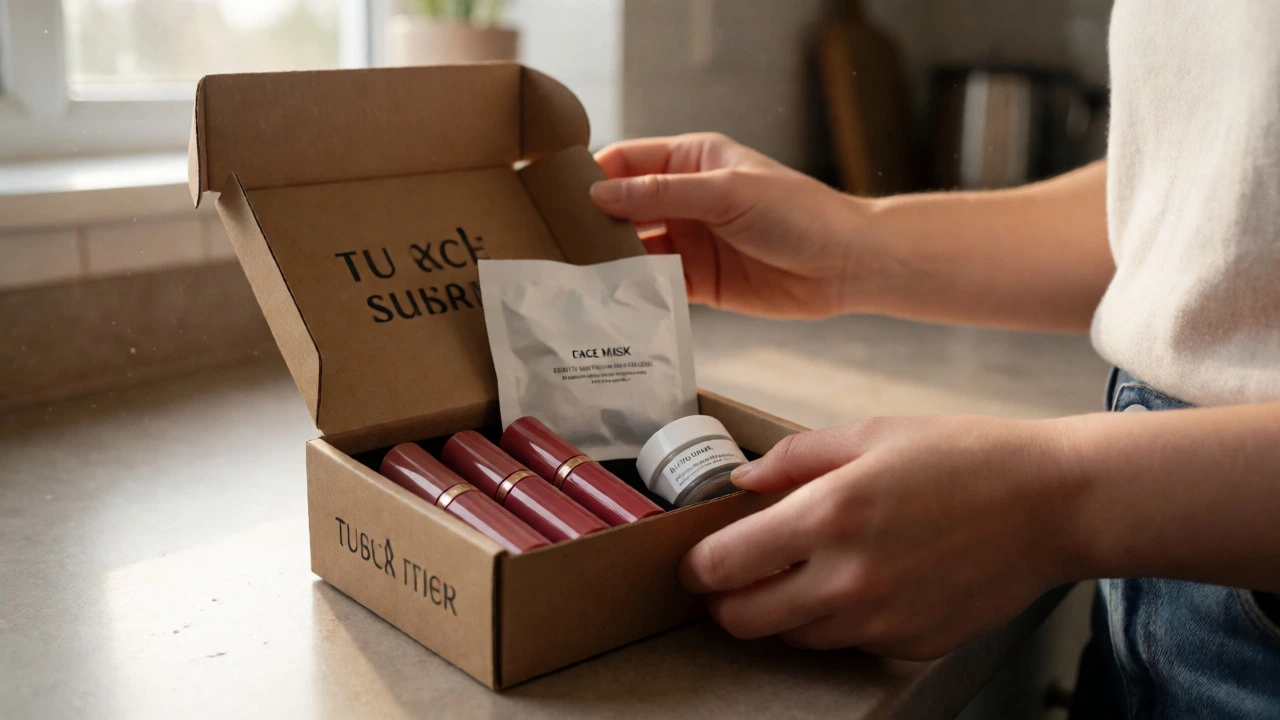
You open the door, grab a cardboard box with your name on it, and feel that little hit of dopamine. Inside? Three lipsticks you’ll never wear, a face mask that smells like regret, and a sample size moisturizer you already have three of. You toss the packaging, keep the one item you might use, and forget about it until next month’s charge hits your bank account. Sound familiar?
It’s not just you. Beauty subscription boxes are a massive industry, but they’re also a quiet drain on wallets. The average person in the UK spends roughly £15 to £30 a month on these recurring deliveries. Over a year, that’s between £180 and £360. For many, it’s more. And here’s the kicker: most of that stuff ends up unopened or discarded.
The Math Behind the Monthly Charge
Let’s break down where that money goes. It’s not just the price tag on the box. When you sign up for services like Birchbox, Ipsy, or Glossybox, you’re paying for curation, shipping, and marketing. But are you getting value?
Consider the "value claim." Many brands state their boxes contain £40 worth of products for a £15 fee. Sounds great, right? Except those products are often full-price samples or niche items you wouldn’t buy otherwise. If you don’t use them, the value is zero. Not negative-zero. You paid £15 for nothing. Multiply that by twelve months, and you’ve wasted £180 on clutter.
Data from consumer surveys suggests that nearly 40% of subscribers cancel within six months due to product redundancy. They realize they’re buying things they don’t need, driven by the fear of missing out (FOMO) rather than genuine desire. This isn’t an accident; it’s the business model.
| Subscription Type | Avg. Monthly Cost (GBP) | Annual Cost (GBP) | Items Actually Used (%) | Wasted Value (GBP) |
|---|---|---|---|---|
| Budget Sample Boxes | £12 | £144 | 20% | £115 |
| Premium Curated | £25 | £300 | 45% | £165 |
| Luxury Full-Size | £45 | £540 | 70% | £162 |
Why We Keep Buying Stuff We Don’t Use
Psychology plays a huge role here. Subscription fatigue is real, yet we ignore it because the initial cost feels low. Paying £15 once a month doesn’t hurt like dropping £60 on a serum at Boots. But small, recurring expenses add up silently.
There’s also the "sunk cost fallacy." You think, "I’ve already paid for this month’s box, so I should open it," even if you know you hate the theme. Or worse, you keep subscribing hoping the next box will be better. Spoiler alert: it usually isn’t. The algorithms behind these services prioritize variety over relevance. They want to show you ten new brands, not the two you actually love.
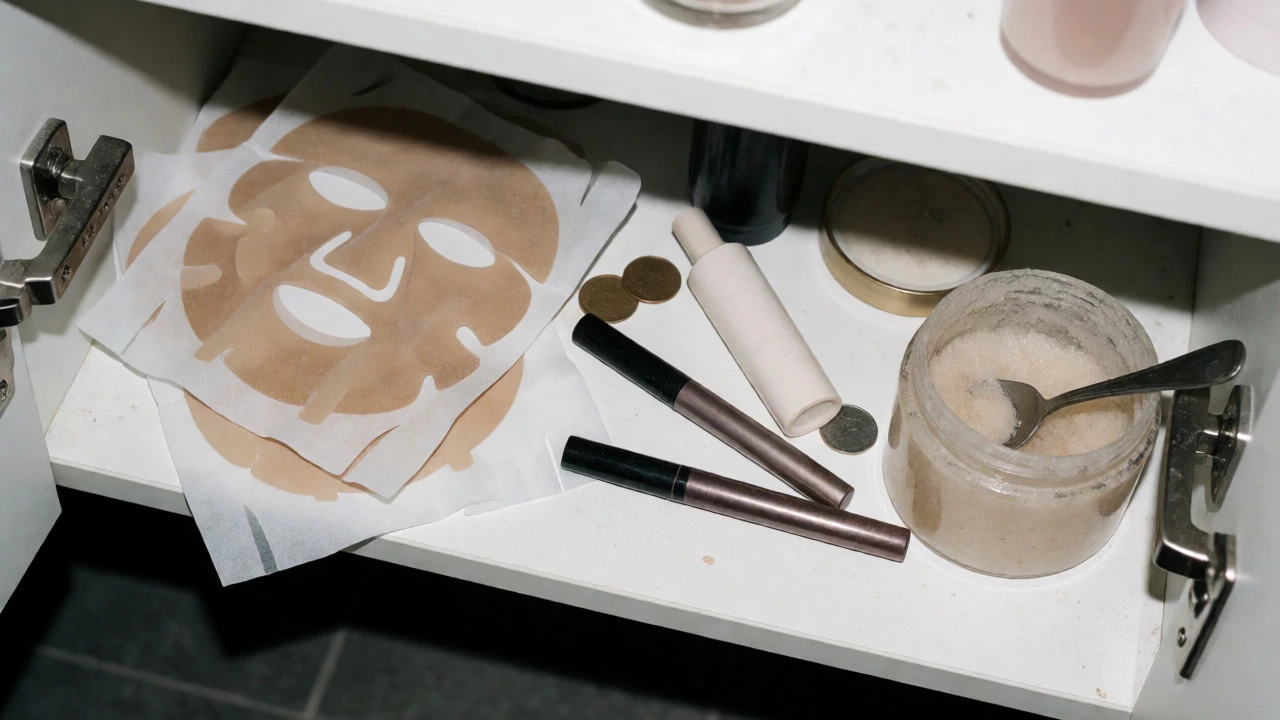
Think about your bathroom cabinet. How many half-used products sit there gathering dust? In my own experience living in Brighton, I audited my shelf last month. I found four unused sheet masks, two expired eyeliners, and a body scrub I opened once because it smelled nice. That was nearly £40 of waste sitting under my sink.
The Hidden Costs Beyond Money
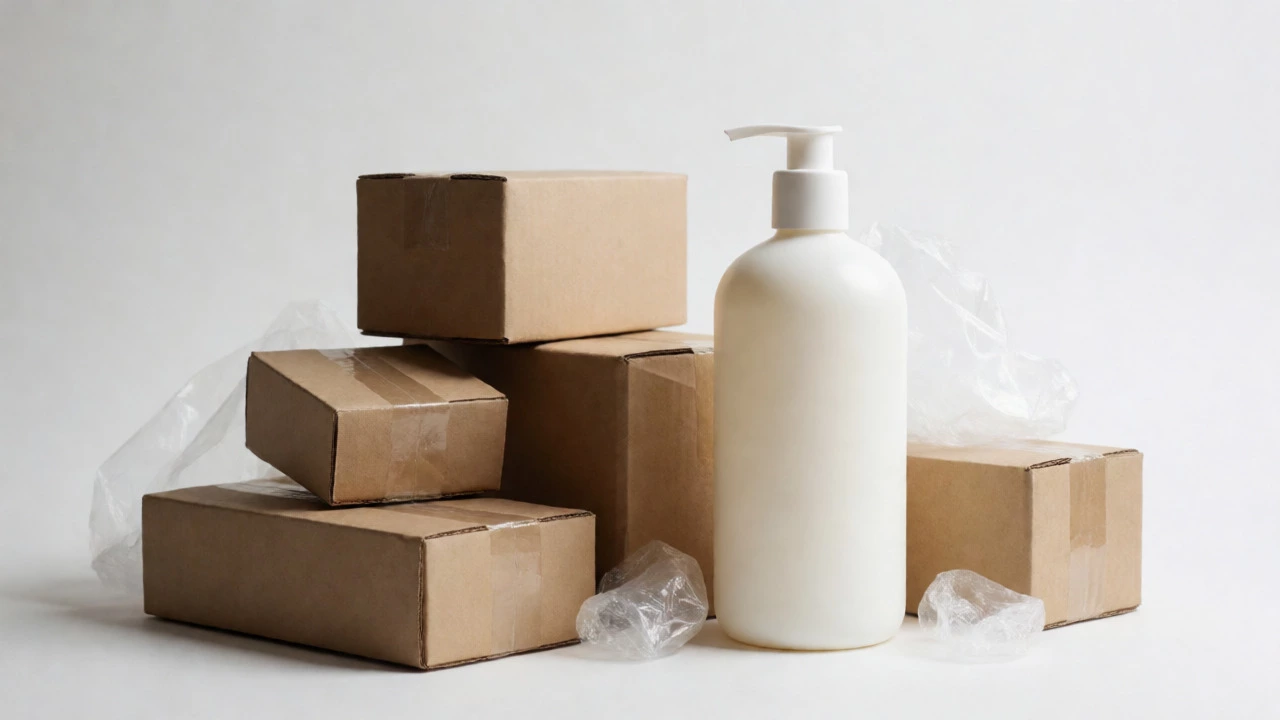
It’s not just cash. It’s space and time. Unboxing takes minutes. Sorting through products takes more. Deciding what to keep, donate, or bin takes even longer. Then there’s the environmental toll. Each box comes with plastic wrap, filler paper, and a sturdy cardboard shell. Even if you recycle the cardboard, the carbon footprint of shipping lightweight goods repeatedly adds up.
Sustainable Beauty advocates argue that bulk buying is far greener than monthly micro-deliveries. One large order every three months creates less packaging waste than twelve small ones. Plus, you’re less likely to impulse-buy random shades of nail polish when you’re shopping with a list.
How to Stop the Bleeding
If you’re ready to reclaim your wallet, start with an audit. List every active subscription. Look at the last three boxes. Did you use more than half the items? If not, cancel. Simple as that. Don’t wait for the "perfect" moment. The perfect moment is now.
- Pause, don’t quit: Most services let you skip a month. Use this to test if you miss it.
- Set a budget cap: Decide how much you’ll spend on non-essential beauty per year. Stick to it.
- Buy full-size only: Samples rarely lead to repurchases. Invest in products you know work for your skin type.
- Check return policies: Some premium boxes offer returns on unwanted items. Know the rules before signing up.
Another tactic is the "one-in, one-out" rule. Before subscribing to a new service, finish one existing product. This forces mindfulness. You stop accumulating clutter because you can’t physically fit another lipstick into your routine.
Are Subscriptions Ever Worth It?
Yes, but only if you treat them as tools, not toys. A Hair Care subscription might make sense if you consistently buy the same shampoo and conditioner. The convenience saves time, and the discount beats retail prices. Similarly, a razor blade subscription ensures you never run out.
But beauty boxes? They’re entertainment, not utility. If you view them as a hobby-like collecting stamps or reading magazines-then the waste is part of the fun. Just be honest about the cost. Is £300 a year worth the thrill of opening a box? For some, absolutely. For most, it’s a slow leak in the financial tire.
Remember, the goal isn’t to deprive yourself. It’s to align spending with actual usage. You deserve products that enhance your life, not ones that gather dust while draining your bank account.
How much does the average person spend on beauty subscriptions annually?
The average UK consumer spends between £180 and £360 per year on beauty subscription boxes, depending on the tier chosen. Premium plans can exceed £500 annually.
What percentage of subscription box items go unused?
Industry estimates suggest that 50-60% of items in standard beauty subscription boxes are either discarded, gifted away, or left unused due to mismatched preferences or poor quality.
Are beauty subscriptions bad for the environment?
Yes, frequent small shipments generate more packaging waste and higher carbon emissions compared to consolidated bulk purchases. However, some companies now use recycled materials and carbon-neutral shipping.
How can I tell if a subscription is worth keeping?
Track your usage for three months. If you use fewer than 50% of the items received, the subscription is likely not providing good value. Consider pausing or cancelling.
Do sample sizes count as waste?
If you try a sample and decide against buying the full size, it’s not necessarily waste-it’s data. However, if you accumulate dozens of unopened samples, that represents wasted money and resources.