
Personalized Natural Skincare Routine Builder
Determine your skin type and get a tailored regimen based on the principles of gentle cleansing, proper hydration, and effective protection.
Question Title
Your Custom Routine
☀️ Morning (AM)
🌙 Evening (PM)
Your skin doesn't need a lab coat to thrive. In fact, the most effective natural skincare routine often relies on fewer products and simpler ingredients than the synthetic-heavy regimens we're sold every day. The problem isn't that natural products don't work; it's that "natural" is a marketing buzzword, not a scientific standard. Without a clear framework, you end up with a bathroom shelf full of expensive oils that do nothing for your specific skin concerns.
The goal here is simple: build a sustainable, effective regimen using high-quality organic or plant-based ingredients. We’re skipping the fluff and focusing on what actually penetrates the skin barrier and delivers results. Whether you have oily, dry, sensitive, or combination skin, this approach prioritizes efficacy over hype.
Key Takeaways
- Cleanse gently: Use low-pH cleansers (5.0-5.5) to preserve the acid mantle.
- Hydrate first: Apply humectants like hyaluronic acid to damp skin before sealing with occlusives.
- Exfoliate sparingly: Limit chemical exfoliants (like AHAs) to 2-3 times a week to avoid barrier damage.
- Sun protection is non-negotiable: Mineral sunscreens (zinc oxide/titanium dioxide) are the safest natural option.
- Patch test everything: Even natural ingredients like essential oils can cause contact dermatitis in sensitive skin.
Understanding Your Skin Type Before You Buy
Before picking up any bottle, you need to know what you’re dealing with. A routine that works for my friend’s glowing, oily skin might leave your dry cheeks feeling tight and flaky. There are four main categories: normal, dry, oily, and combination. Sensitive skin isn’t a type but a condition that can overlap with any of them.
To determine your type, wash your face with a gentle cleanser and wait 30 minutes without applying anything else. Observe how your skin feels and looks under natural light.
| Skin Type | Appearance After 30 Mins | Primary Concerns |
|---|---|---|
| Dry | Tight, dull, possibly flaky | Lack of moisture, fine lines, sensitivity |
| Oily | Shiny, especially in T-zone | Clogged pores, acne, excess sebum |
| Combination | Shiny T-zone, dry cheeks | Uneven texture, breakouts in center |
| Normal | Even tone, no shine or tightness | Maintenance, prevention |
If you fall into the sensitive category, look for products labeled "fragrance-free" rather than just "unscented." Unscented products may still contain masking agents that irritate reactive skin.
Step 1: The Art of Gentle Cleansing
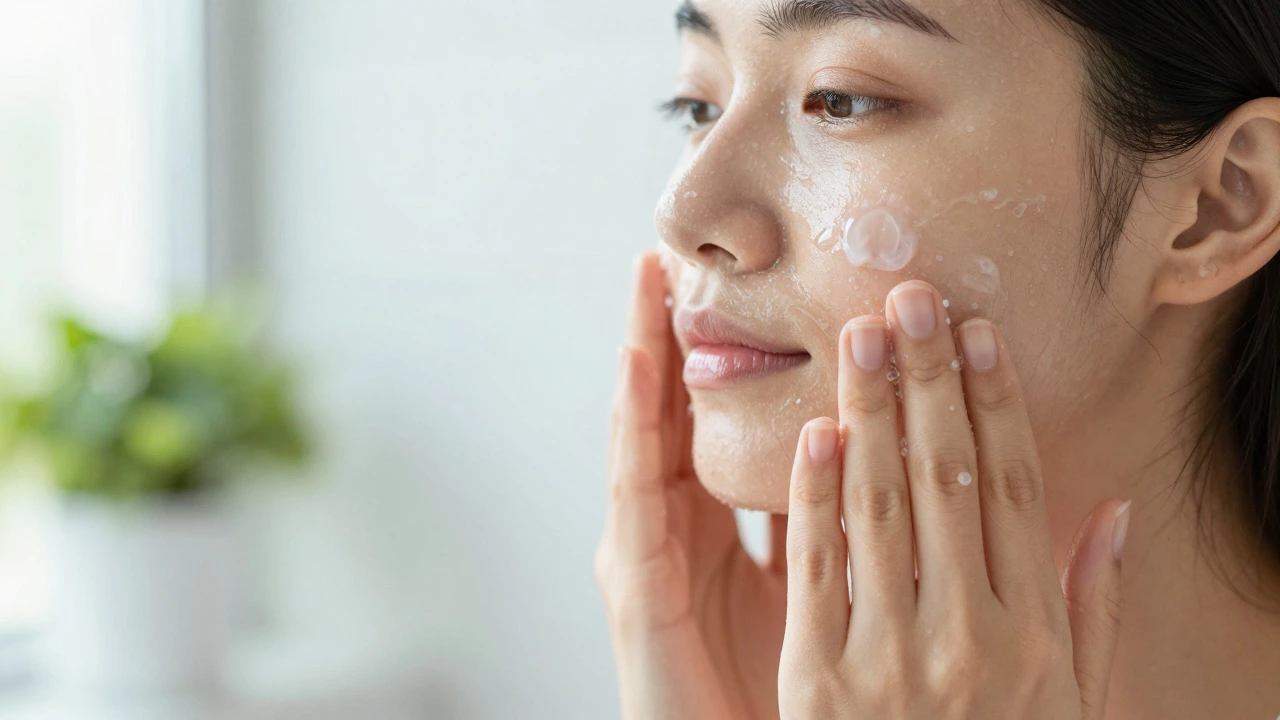
Cleansing is the foundation of any routine. If you strip your skin too harshly, you disrupt the lipid barrier, leading to dehydration and increased oil production as your skin tries to compensate. For a natural routine, avoid sulfates like Sodium Lauryl Sulfate (SLS), which can be too aggressive for daily use.
Instead, opt for cleansers based on plant-derived surfactants. Look for ingredients like coconut-derived cocamidopropyl betaine or oat-based cleansers. These clean effectively without stripping natural oils. Aim for a product with a pH between 5.0 and 5.5. This matches your skin’s natural acidity, helping to keep harmful bacteria at bay while preserving beneficial microbes.
Apply the cleanser to damp skin using lukewarm water. Hot water can dilate capillaries and cause redness, particularly if you have rosacea-prone skin. Massage for about 60 seconds, focusing on areas where you wear makeup or have higher oil production, then rinse thoroughly.
Step 2: Hydration and Moisturization
Many people confuse hydration with moisturizing. They are two different processes. Hydration adds water to the skin cells, while moisturizing seals that water in. A natural routine should address both.
Start with a hydrating toner or essence containing humectants. Hyaluronic Acid is a standout ingredient here. It’s naturally found in human connective tissue and can hold up to 1,000 times its weight in water. When applied to damp skin, it pulls moisture from the environment and deeper skin layers into the epidermis.
Follow this with a moisturizer. For dry skin, look for heavier creams containing shea butter, jojoba oil, or squalane. Jojoba oil is structurally similar to human sebum, making it highly compatible and less likely to clog pores. For oily or combination skin, choose lighter gel-creams with niacinamide (vitamin B3) derived from natural sources. Niacinamide helps regulate oil production and strengthens the skin barrier without the heaviness of traditional emollients.
Step 3: Exfoliation Done Right
Exfoliation removes dead skin cells, revealing brighter skin underneath and allowing other products to penetrate better. However, over-exfoliating is the fastest way to ruin your skin barrier. Physical scrubs with walnut shells or apricot kernels are generally discouraged because they create micro-tears in the skin. Instead, use chemical exfoliants derived from nature.
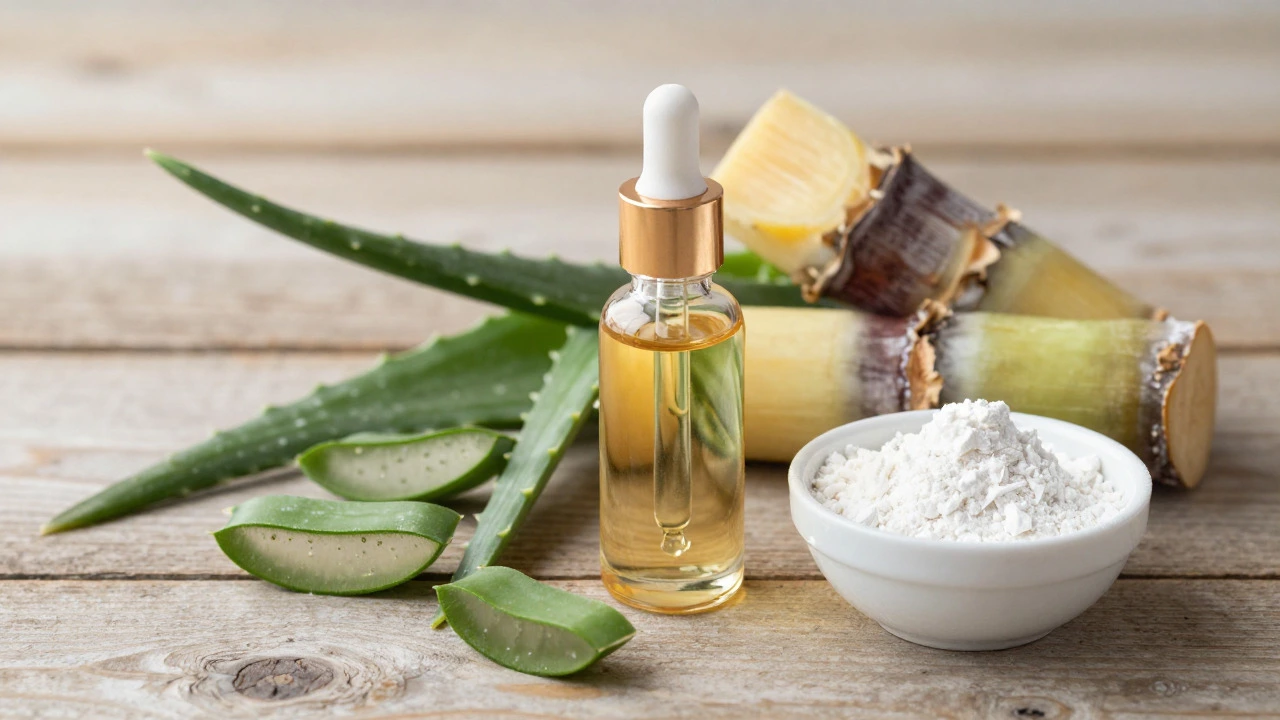
Alpha Hydroxy Acids (AHAs) like glycolic acid (from sugar cane) and lactic acid (from milk fermentation) are excellent for surface-level exfoliation. They dissolve the "glue" holding dead cells together. Beta Hydroxy Acids (BHAs), specifically salicylic acid (derived from willow bark), are oil-soluble and perfect for penetrating pores to treat blackheads and acne.
Start slow. Use an AHA or BHA product only once a week for the first month. If your skin tolerates it well, increase to twice a week. Never use AHAs and BHAs on the same night unless directed by a professional. Always follow exfoliation with a soothing serum containing centella asiatica or aloe vera to calm potential irritation.
Step 4: Sun Protection with Mineral Filters
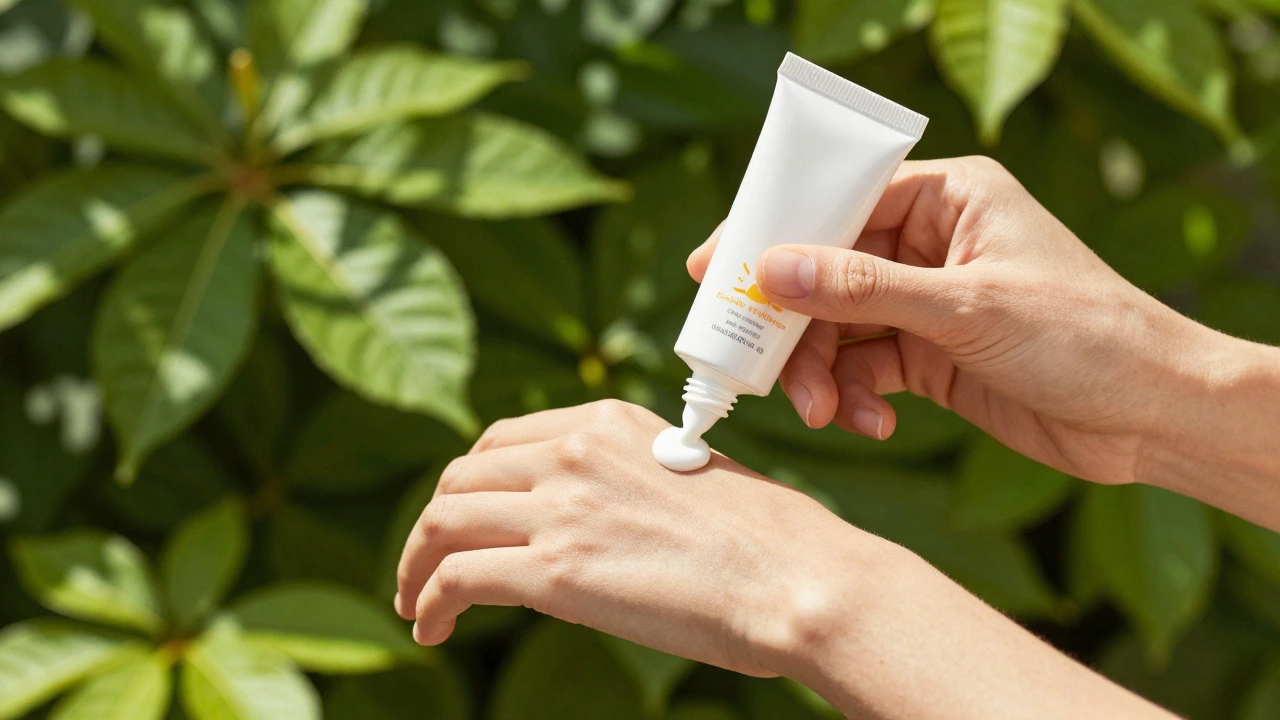
You can have the best anti-aging serums in the world, but without sun protection, they’re wasted. UV radiation is the primary cause of premature aging, hyperpigmentation, and DNA damage in skin cells. Chemical sunscreens, while effective, contain synthetic filters that some prefer to avoid. Mineral sunscreens offer a physical barrier.
Zinc oxide and titanium dioxide sit on top of the skin and reflect UV rays. Zinc oxide is broad-spectrum, protecting against both UVA and UVB rays. It’s also less irritating than many chemical filters, making it ideal for sensitive skin. The downside? Mineral sunscreens can leave a white cast, especially on darker skin tones. To mitigate this, look for formulations with micronized zinc oxide or tinted mineral bases. Apply a generous amount-about one teaspoon for the face-and reapply every two hours if you’re outdoors.
Building Your Morning and Evening Routines
Consistency matters more than complexity. Here is a streamlined structure you can adapt based on your skin type.
Morning Routine (AM)
- Cleanse: Rinse with water or use a very gentle foaming cleanser if you sweat overnight.
- Treat: Apply Vitamin C serum (ascorbic acid). It’s a powerful antioxidant that protects against environmental stressors and brightens skin. Use 10-15% concentration for visible results.
- Moisturize: Light gel-cream or lotion.
- Protect: Broad-spectrum SPF 30+ mineral sunscreen.
Evening Routine (PM)
- Cleanse: Double cleanse if wearing makeup. First with an oil-based cleanser (jojoba or sweet almond oil) to dissolve impurities, then with a water-based cleanser.
- Exfoliate/Treat: Alternate nights. One night: AHA/BHA exfoliant. Other nights: Retinol alternative like bakuchiol (a natural retinol substitute) or targeted spot treatments.
- Moisturize: Richer cream or facial oil to support overnight repair.
Common Pitfalls to Avoid
Even with the best intentions, natural routines can go wrong. Here are the most common mistakes I see:
- Too many actives: Using Vitamin C, Retinol, and AHAs all at once leads to irritation. Introduce one new active ingredient at a time, waiting two weeks before adding another.
- Ignoring the neck and décolletage: These areas age faster due to sun exposure and movement. Extend your products down to your chest.
- Assuming "Natural" means "Safe": Essential oils like lavender and tea tree can be potent sensitizers. Dilute them properly and patch test on your inner arm for 24 hours before applying to your face.
- Inconsistent application: Skipping days breaks the momentum. Set a reminder if needed. Skincare is a marathon, not a sprint.
Frequently Asked Questions
Can I use essential oils on sensitive skin?
Yes, but with caution. Essential oils are concentrated plant extracts that can trigger contact dermatitis in sensitive individuals. Always dilute them in a carrier oil (like jojoba or fractionated coconut oil) at a ratio of 1-2 drops per tablespoon. Patch test on your inner forearm for 24 hours before applying to your face. If you have eczema or rosacea, it’s safer to stick to fragrance-free options.
How long does it take to see results from a natural skincare routine?
Most people notice improved hydration and texture within 2-4 weeks. However, significant changes in pigmentation, acne, or wrinkle depth take longer. Skin cell turnover takes about 28 days, so give any new routine at least one full cycle before judging its effectiveness. Consistent use is key.
Is hyaluronic acid suitable for oily skin?
Absolutely. Hyaluronic acid is lightweight and non-comedogenic (won’t clog pores). Oily skin often suffers from dehydration despite producing excess sebum. Applying HA to damp skin helps balance hydration levels without adding grease. Just ensure you seal it in with a light moisturizer to prevent evaporation.
What is the difference between organic and natural skincare?
"Natural" implies ingredients derived from plants or minerals, but there is no strict legal definition. "Organic" refers to how the raw materials were grown-without synthetic pesticides or fertilizers. An organic product is a subset of natural products, but not all natural products are organic. Look for certifications like USDA Organic or Ecocert to verify claims.
Should I exfoliate every day?
No. Daily exfoliation can compromise the skin barrier, leading to redness, stinging, and increased sensitivity. Most skin types benefit from exfoliating 2-3 times a week. If you have very resilient, oily skin, you might tolerate daily gentle enzymatic exfoliation, but for most people, less is more.