
Build Your Perfect Skincare Routine
1. Select Your Profile
2. Your Recommended Routine
Based on the rule: Thinnest consistency to thickest.
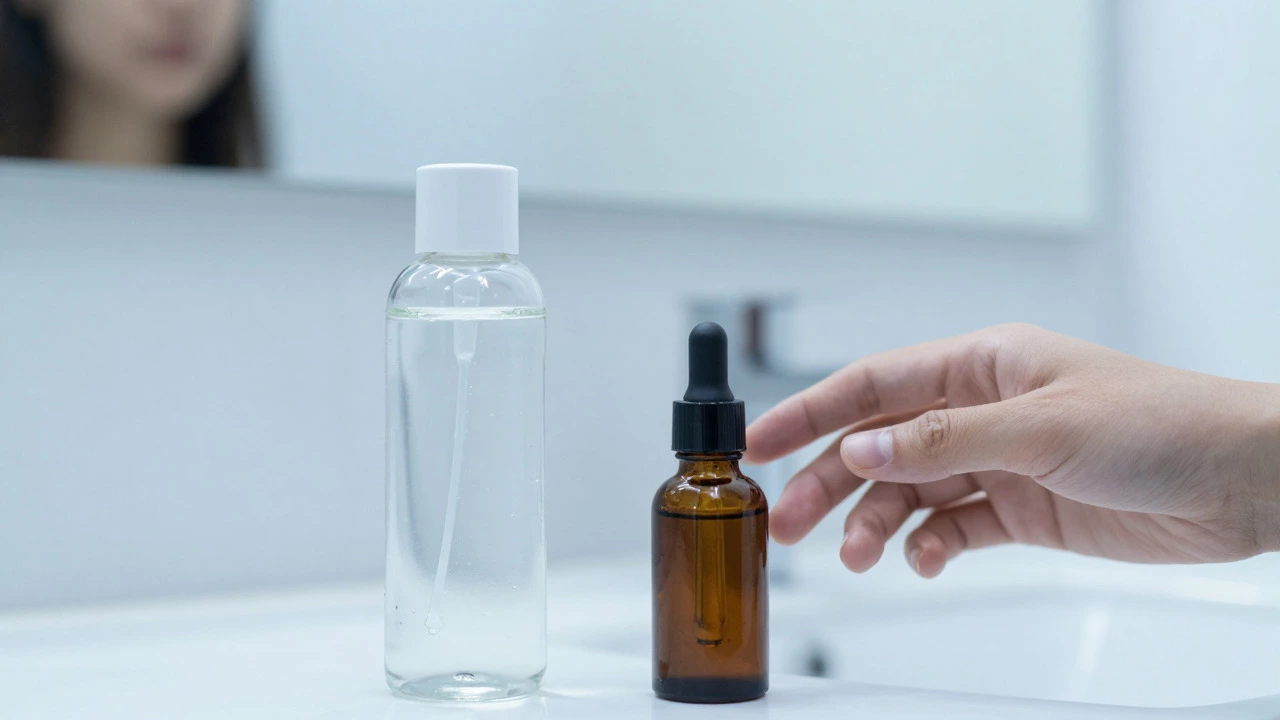
You stand in front of your bathroom mirror, a bottle of hydrating toner is a liquid skincare product used after cleansing to balance skin pH and prepare it for subsequent products in one hand and a dropper full of potent serum is a concentrated skincare treatment designed to deliver active ingredients deep into the skin layers in the other. Which one goes on first? It’s one of those questions that feels like it should have an obvious answer, yet almost everyone gets confused at some point. Put the serum on first because it’s more expensive? Or maybe the toner because it’s thinner? If you’ve ever wondered why your skincare isn’t working as well as it should, this might be the missing link.
The Short Answer: Always Toner Before Serum
Let’s get straight to the point so you can finish your routine without overthinking it. You always apply toner before serum. This rule isn’t arbitrary; it’s based on basic chemistry and how your skin absorbs moisture. Think of your skin like a sponge. If the sponge is dry and dusty, pouring thick oil onto it just sits on top. But if you wet the sponge first with water, it opens up and soaks everything else in much better. Toner acts as that initial hydration step, prepping the canvas so the heavy-hitting actives in your serum can actually penetrate where they need to go.
Why Order Matters More Than You Think
We often treat our skincare steps like a checklist rather than a system. We wash, we tone, we serum, we moisturize, and we hope for the best. But the sequence dictates the efficacy. When you apply products in the wrong order, you create barriers that block absorption. Imagine trying to paint a wall that hasn’t been primed. The paint (your serum) won’t stick evenly, it will look patchy, and half of it will just wipe off. In skincare terms, this means waste. You’re spending money on high-quality vitamin C or retinol serums, but if they sit on top of a layer of heavier oils or unprepared skin, they aren’t doing their job.
The general rule of thumb for any skincare routine is to apply products from thinnest consistency to thickest. Water-based liquids come first, followed by gels, then lotions, and finally creams or oils. Since toners are typically water-based and very lightweight, they naturally fall at the beginning of the post-cleansing phase. Serums are slightly thicker and contain larger molecular structures of active ingredients, meaning they need a receptive surface to work effectively.
What Toner Actually Does for Your Skin
To understand why toner comes first, you have to respect what it does. Modern toners are not the alcohol-heavy astringents of the past that stripped your face raw. Today, they are formulated to restore the skin’s natural pH balance. Cleansers, especially foaming ones, can leave your skin with a higher pH level, which disrupts the acid mantle-that protective barrier that keeps bacteria out and moisture in. A good toner brings that pH back down to around 4.5 to 5.5, creating the optimal environment for your skin cells to function properly.
| Feature | Facial Toner | Face Serum |
|---|---|---|
| Primary Goal | pH balancing, hydration prep, removing residual impurities | Targeted treatment (anti-aging, brightening, acne) |
| Consistency | Thin, watery, fast-absorbing | Viscous, gel-like, or oil-based |
| Active Ingredient Concentration | Low to moderate | High (up to 10x more than moisturizers) |
| Application Timing | Immediately after cleansing | After toner, before moisturizer |
| Absorption Depth | Surface and upper epidermis | Deep dermal layers |
Beyond pH balance, toner provides a burst of immediate hydration. Many modern formulas include humectants like hyaluronic acid or glycerin. These ingredients pull water into the skin cells, plumping them up slightly. This “damp” state is crucial. When your skin is hydrated, the cell membranes become more permeable. This means the doors are open for the next steps to enter. If you skip toner and go straight to serum on dry skin, you’re essentially asking those active ingredients to break through a closed door.
The Role of Serum in Your Routine
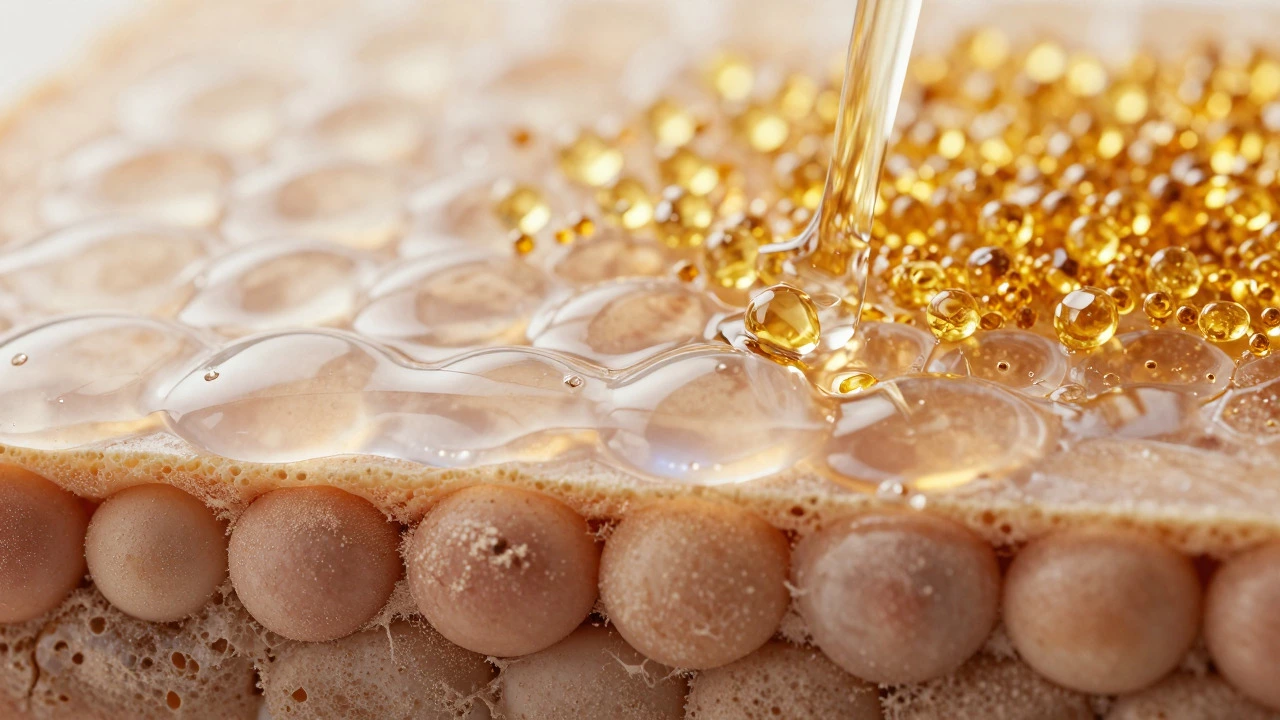
If toner is the primer, serum is the paint. Serums are engineered for performance. They contain high concentrations of active ingredients-things like niacinamide for pore control, retinol for anti-aging, or vitamin C for brightness. Because these molecules are small and potent, they can penetrate deeper into the skin than the heavier compounds found in moisturizers. However, this potency requires precision. Applying serum to skin that hasn’t been prepped can sometimes lead to irritation, especially if you’re using strong actives like exfoliating acids or retinoids.
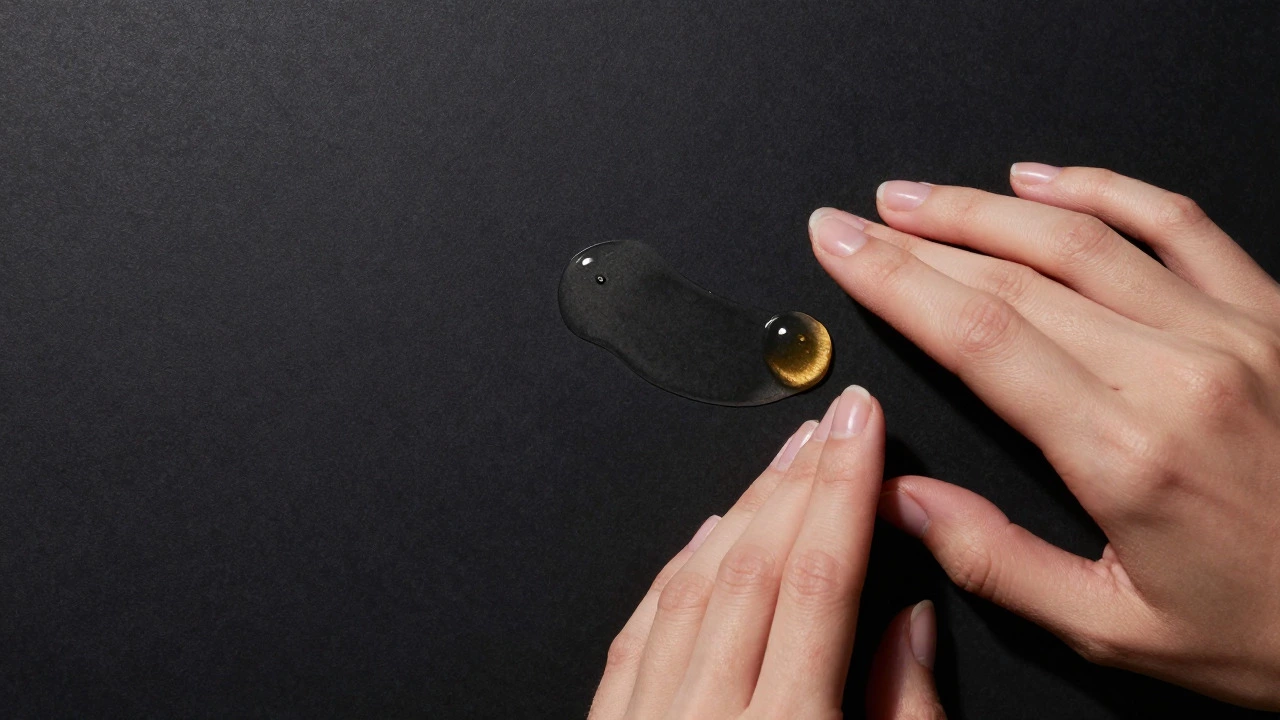
Consider the texture difference. Most serums have a slightly sticky or tacky feel as they dry. This is normal; it indicates that the polymers holding the active ingredients are setting. If you apply this over a layer of residue left by a cleanser, or if your skin is tight and dehydrated, that tackiness can turn into pilling-those little rolls of product that flake off when you touch your face. By applying toner first, you ensure the skin surface is smooth and hydrated, allowing the serum to spread evenly and absorb without friction.
How to Apply Them Correctly for Maximum Absorption
Knowing the order is only half the battle. How you apply these products changes the outcome significantly. Here is the most effective method to ensure you’re getting every drop of benefit from your products.
- Cleanse gently: Use a lukewarm water rinse or a gentle cleanser. Avoid hot water, which strips natural oils and causes redness.
- Pat dry, don’t rub: Leave your skin slightly damp. Do not let it air dry completely. The residual moisture helps the toner adhere better.
- Apply toner: Pour a small amount into your palms or onto a cotton pad. If you have sensitive skin, skip the cotton pad to avoid friction. Press the toner into your skin using your hands. Patting is better than rubbing. Wait 30 to 60 seconds for it to fully absorb. Your skin should feel cool and hydrated, not sticky.
- Dispense serum: Use the recommended amount, usually 2-3 drops for the entire face. More is not better; excess serum just sits on the surface.
- Press and roll: Apply the serum to your forehead, cheeks, chin, and nose. Gently press it into the skin using upward motions. Avoid tugging or pulling the skin.
- Wait again: Let the serum sink in for another minute before applying your moisturizer. This ensures the active ingredients have started their work without being diluted or blocked by the heavier cream.
Common Mistakes That Ruin Your Routine
Even with the right order, small habits can sabotage your results. One common error is mixing too many active ingredients at once. For example, using a toner with salicylic acid and a serum with retinol simultaneously can overwhelm the skin barrier, leading to peeling and sensitivity. Start slow. Introduce one new product at a time and wait two weeks before adding another.
Another mistake is ignoring the type of toner you’re using. Not all toners are created equal. Some are exfoliating (containing AHAs or BHAs), while others are purely hydrating. If you use an exfoliating toner, you must follow it with a soothing, hydrating serum to calm the skin. Using a drying alcohol-based toner followed by a delicate vitamin C serum can cause stinging and reduced efficacy. Always check the ingredient list. Look for words like “alcohol-free,” “hydrating,” or “balancing” for daily use.
Finally, don’t forget the neck. People often stop their application at the jawline, but the skin on your neck is thin and prone to aging. Extend your toner and serum application down to your collarbone. The same rules apply: toner first, then serum. Consistency across the entire visible area prevents uneven texture and color.
Special Cases: Exfoliating Toners and Oil-Based Serums
There are exceptions to the general rule, though they are rare. If you are using a chemical exfoliant toner (like one containing glycolic acid), it still goes before your serum, but you need to be careful about what serum you choose. Acid toners lower the pH significantly, which enhances the penetration of subsequent products. This is great for boosting efficacy but risky if your skin is sensitive. In this case, follow the exfoliating toner with a simple hydrating serum (like hyaluronic acid) rather than a potent active like retinol, unless you have built up tolerance over months.
What about oil-based serums? Some people call facial oils “serums,” but technically, oils are occlusives-they seal moisture in. If your serum is water-based, it always goes before oil. If you are using a pure facial oil as your final step, it goes after your water-based serum and moisturizer. Never apply a water-based serum on top of an oil layer; it simply won’t absorb. The phrase “water before oil” is the golden rule here.
Building a Routine That Works for Your Skin Type
Your skin type dictates which specific toner and serum you choose, but not the order. Whether you have oily, dry, combination, or sensitive skin, the sequence remains: cleanse, tone, serum, moisturize, protect (SPF in the morning).
- Oily Skin: Use a lightweight, oil-free toner with niacinamide or witch hazel. Follow with a mattifying or pore-refining serum. Avoid heavy oils.
- Dry Skin: Choose a hydrating toner with rose water or glycerin. Layer a rich, hydrating serum with ceramides or squalane. Seal it with a thick cream.
- Sensitive Skin: Stick to fragrance-free, alcohol-free toners with centella asiatica or aloe vera. Use a calming serum with panthenol or oat extract. Patch test everything.
- Aging Skin: Opt for an antioxidant-rich toner with green tea. Follow with a retinol or peptide serum at night, and vitamin C in the morning.
Remember, skincare is not a race. It’s a daily ritual of care. Getting the order right ensures that the products you invest in actually do what they promise. So, next time you reach for your bottles, pause for a second. Toner first, to prep and hydrate. Serum second, to treat and transform. Your skin will thank you.
Can I skip toner and go straight to serum?
Yes, you can skip toner if you prefer a simpler routine, but it may reduce the effectiveness of your serum. Toner balances pH and hydrates the skin, creating a better base for absorption. Without it, your serum might not penetrate as deeply, especially if your skin is dehydrated after cleansing. However, if your cleanser is very gentle and pH-balanced, skipping toner is less detrimental.
Should I apply serum before or after moisturizer?
Always apply serum before moisturizer. Serums are lighter and contain smaller molecules designed to penetrate deep into the skin. Moisturizers are thicker and form a barrier on the skin’s surface to lock in moisture. If you apply moisturizer first, it creates a seal that blocks the serum from absorbing, rendering it largely ineffective.
How long should I wait between applying toner and serum?
You don’t need to wait long. About 30 to 60 seconds is sufficient for toner to absorb. Your skin should feel damp but not wet. If you wait too long, your skin may start to dry out, reducing the synergy between the two products. The goal is to keep the skin hydrated throughout the layering process.
Does the order change for morning vs. night routines?
No, the order remains the same: toner then serum. However, the types of products you choose may differ. In the morning, you might use a hydrating toner and a vitamin C serum for protection against environmental damage. At night, you might use an exfoliating toner and a retinol serum for repair and renewal. Always finish your morning routine with sunscreen.
Can I mix toner and serum together in my hand?
It’s generally not recommended to mix them directly in your hand before applying. Each product is formulated to work at a specific pH and concentration. Mixing them can alter their chemical stability or reduce their efficacy. Instead, apply them sequentially, allowing each to absorb before adding the next layer. This ensures maximum benefit from both products.