
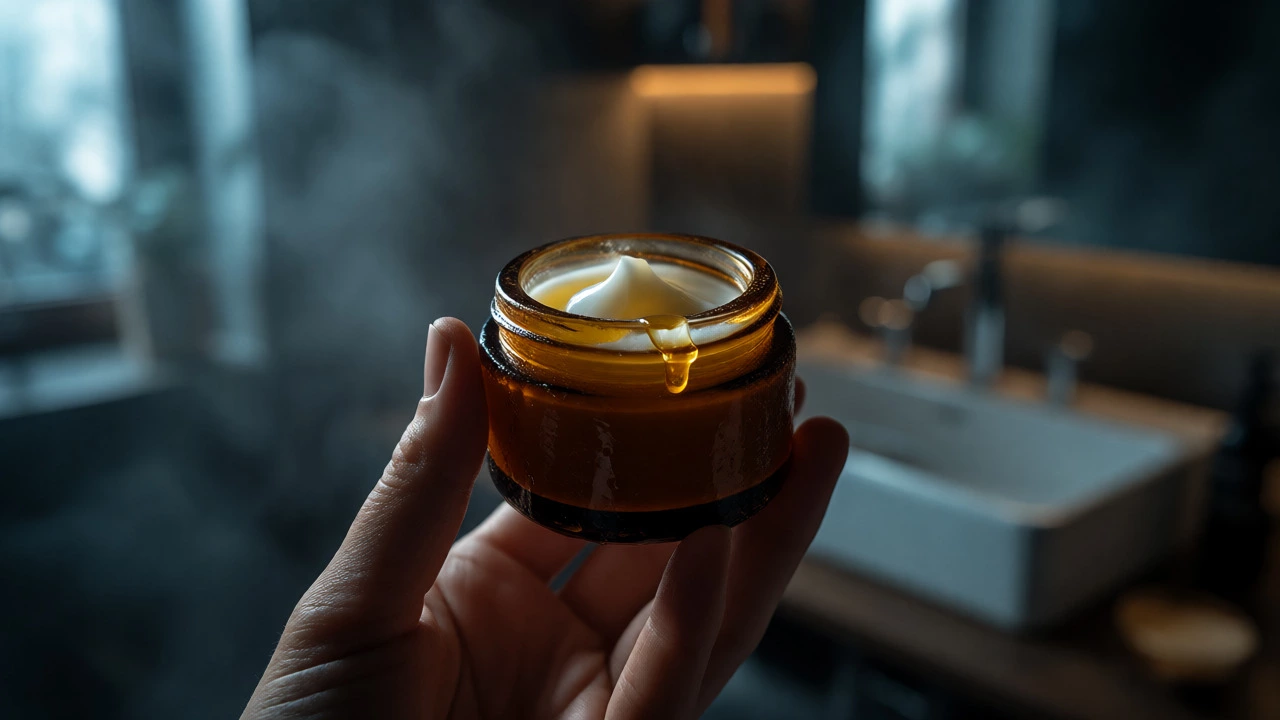
Organic Cosmetic Viability Checker
Not sure if switching to organic is right for you? Answer these questions to see how well organic products fit your routine.
Select your preferences and click "Analyze" to see recommendations.
You see the label "100% Natural" and assume your skin is getting a gentle, safe treat. It feels like the moral high ground of skincare. But here is the uncomfortable truth: nature isn't always kind to human skin. Poison ivy is natural. Arsenic is natural. And that fancy organic cosmetic sitting on your bathroom shelf might be causing more irritation than a basic synthetic moisturizer.
If you have been wondering why your expensive organic serum broke you out, or why it went rancid after two weeks, this guide breaks down the real disadvantages of organic cosmetics. We are not bashing them-many work wonders-but we are stripping away the marketing fluff to look at the chemistry, cost, and practicality.
Short Shelf Life and Preservation Struggles
The biggest headache with organic products is their lifespan. Synthetic preservatives like parabens get a bad rap, but they do one thing exceptionally well: they keep bacteria and mold from turning your cream into a science experiment. Organic brands often avoid these strong preservatives to maintain their "clean" status. Instead, they use milder alternatives like radish root ferment, vitamin E, or rosemary extract.
These natural preservatives are weaker. They don't last as long. Once you open a jar of organic face cream that uses only natural preservation systems, you have about three to six months before it degrades. In contrast, conventional products can sit unopened for years and remain stable for twelve months after opening. If you buy in bulk or forget about that bottom-shelf lotion, you risk applying oxidized oils that can clog pores and cause inflammation.
- Check the PAO: Look for the Period After Opening symbol (an open jar icon with a number like 6M). Trust it.
- Scent changes matter: If your unscented product starts smelling like crayons or old nuts, the oils have oxidized. Toss it.
- Storage matters: Keep organic products out of steamy bathrooms. Heat accelerates degradation.
Allergies and Sensitivities Are Higher
There is a persistent myth that "natural" equals "hypoallergenic." This is factually incorrect. In fact, many dermatologists argue that natural ingredients are more likely to cause allergic contact dermatitis than highly refined synthetics. Why? Because natural extracts are complex mixtures containing hundreds of different chemical compounds. You aren't just exposing your skin to one active ingredient; you are exposing it to the entire plant profile.
Consider essential oils. They are potent concentrates used for fragrance and therapeutic benefits. Lavender, tea tree, and citrus oils are common culprits for sensitization. A study published in the Contact Dermatitis journal found that lavender oil was a significant cause of allergic reactions in patients with eczema. Synthetics, by contrast, are often single-molecule structures that are easier to test and control.
If you have sensitive skin, rosacea, or a compromised barrier, jumping straight into a full routine of botanical actives can backfire. The complexity of plant extracts makes patch testing critical. You cannot assume safety just because the ingredient list looks like a grocery store aisle.
Inconsistency in Performance
Synthetic ingredients are manufactured in labs. The pH level, concentration, and molecular structure are identical in every batch. Nature doesn't work that way. The potency of a botanical extract depends on where the plant grew, when it was harvested, how much rain fell that year, and even the soil composition.
This variability means that the serum you loved in January might feel slightly different-or perform differently-in July. For consumers who want predictable results, this inconsistency is frustrating. If you are treating specific conditions like hyperpigmentation or acne, precision matters. Synthetic Vitamin C (ascorbic acid) has a known stability and efficacy profile. Natural Vitamin C from fruit extracts is often less stable and harder to standardize, leading to hit-or-miss results.
| Attribute | Organic/Natural Cosmetics | Conventional/Synthetic Cosmetics |
|---|---|---|
| Shelf Life | Short (3-6 months after opening) | Long (12-24 months after opening) |
| Allergy Risk | Higher (complex plant compounds) | Lower (refined, single molecules) |
| Consistency | Variable (depends on harvest/batch) | High (lab-controlled precision) |
| Price Point | Premium (higher sourcing costs) | Affordable to Mid-range |
| Efficacy Proof | Limited clinical trials | Extensive peer-reviewed studies |
The Price Tag Premium
Let’s talk money. Organic cosmetics are almost always more expensive. Is this justified? Sometimes. Sourcing certified organic ingredients is costly. Farmers cannot use cheap synthetic pesticides or fertilizers, which lowers yields and increases labor costs. Processing these raw materials without harsh chemicals also requires specialized equipment and techniques.
However, part of the price hike is marketing. The "organic" label allows brands to charge a premium based on perceived value rather than proven superior performance. You might pay $80 for an organic night cream that performs exactly the same as a $25 conventional cream with similar hydrating properties. Before you empty your wallet, ask yourself: am I paying for better results, or am I paying for the story?
Greenwashing and Certification Confusion
Not all "organic" labels mean what you think they mean. This is where things get murky. In many countries, there is no strict legal definition for "natural" in cosmetics. A brand can slap "Natural" on a bottle that contains 95% water and synthetic emulsifiers, and technically not be lying.
True organic certification comes from bodies like USDA Organic, Ecocert, or COSMOS. These require a certain percentage of ingredients to be organically farmed. But loopholes exist. Some brands claim "made with organic ingredients," which might mean only 10% of the formula is actually organic. The rest could be conventional or synthetic. Always read the fine print. If a product claims to be organic but lacks a recognized seal, be skeptical.
Limited Texture and Formulation Options
Have you ever tried an organic sunscreen and felt like you were wearing white paint? Or used a natural deodorant that left sticky residue? Synthetic ingredients allow formulators to create lightweight, fast-absorbing textures that feel luxurious. Emulsifiers, silicones, and polymers give conventional products that silky slip and matte finish many users crave.
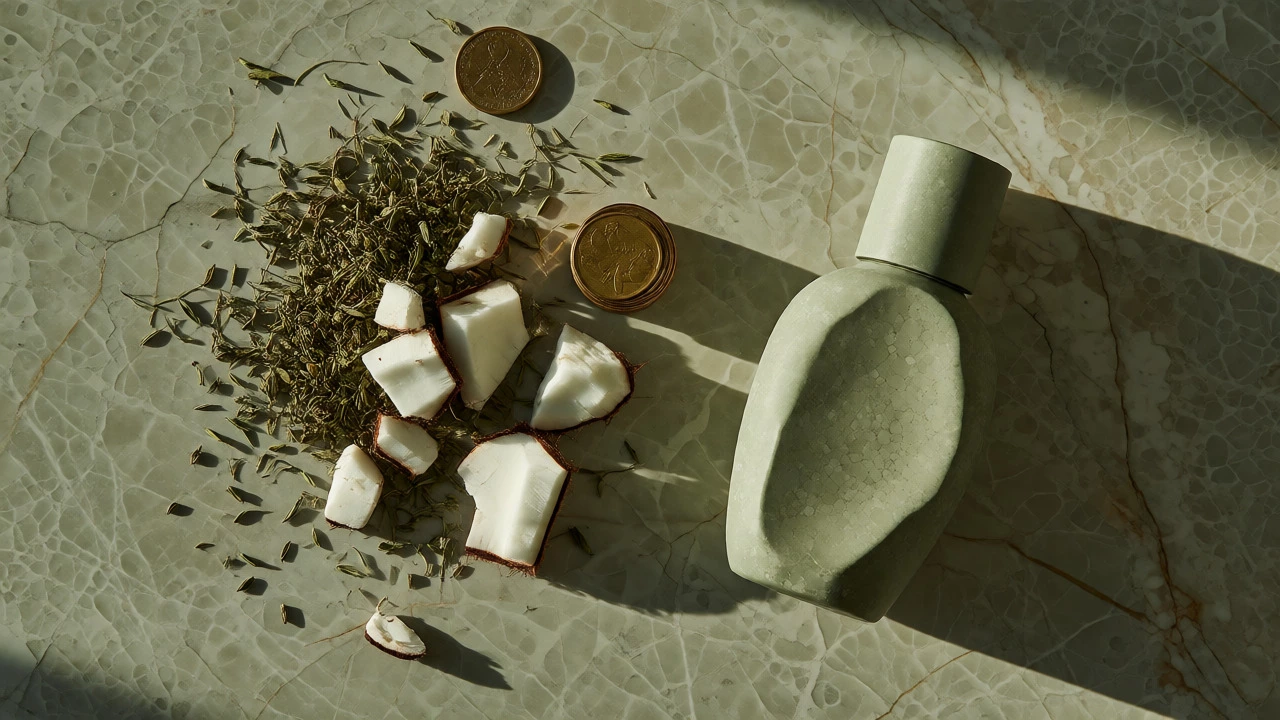
Natural formulations often rely on heavier oils, waxes, and butters. While nourishing, they can feel greasy or heavy on oily skin types. Achieving a lightweight feel without silicones is chemically difficult. If you hate the feeling of a film on your skin, organic options might frustrate you until you find the right brand. It is a trade-off between sensory experience and ingredient philosophy.
Environmental Paradox
We choose organic cosmetics to help the planet. But sometimes, the environmental footprint of organic farming is higher per unit of output. Because organic farmers cannot use synthetic nitrogen fertilizers, they need more land to produce the same amount of crop. This can lead to deforestation if demand spikes.
Additionally, some popular organic ingredients like palm oil (even if sustainable) drive habitat destruction. Coconut oil production has faced scrutiny regarding labor practices and biodiversity loss. Just because an ingredient is plant-based doesn't automatically make it eco-friendly. Sustainable sourcing is a separate issue from organic certification.
Are organic cosmetics safer than conventional ones?
Not necessarily. "Safe" depends on the individual's skin type and sensitivity. Many synthetic ingredients are rigorously tested and deemed safe by regulatory bodies like the FDA and EU Commission. Conversely, natural ingredients like poison ivy or essential oils can be highly irritating or toxic in high concentrations. Safety is about dosage and individual tolerance, not origin.
Why do organic products expire so quickly?
Organic products typically lack broad-spectrum synthetic preservatives like parabens or phenoxyethanol. They rely on milder natural preservatives that are less effective against bacteria and mold over time. Exposure to air, light, and humidity further accelerates oxidation, especially in products rich in unsaturated fatty acids.
Can organic skincare cause breakouts?
Yes. Many natural oils (like coconut oil) are comedogenic, meaning they clog pores. Additionally, the complex mixture of proteins and compounds in plant extracts can trigger allergic reactions or contact dermatitis in sensitive individuals, leading to redness, itching, or bumps that resemble acne.
How can I tell if a product is truly organic?
Look for third-party certifications such as USDA Organic, Ecocert, COSMOS, or Natrue. These seals guarantee that a specific percentage of the ingredients meet strict organic farming standards. Avoid products that simply say "natural" or "plant-based" without a certifying body, as these terms are largely unregulated.
Is organic makeup better for my skin?
It depends on your skin concerns. If you react poorly to synthetic dyes or fragrances, organic makeup may be gentler. However, organic pigments can sometimes be less vibrant, and organic formulas may wear off faster due to fewer binding agents. Patch testing is essential to determine compatibility.