
Longevity Drug Suitability & Safety Checker
Your Profile & Goals
Analysis Results
Next Steps: Consult a specialist in longevity medicine. Establish baseline biomarkers (blood panels, inflammatory markers) before starting any intervention.
There is no single pill that stops time. If you have been scrolling through social media or reading health blogs lately, you might have seen headlines claiming a "miracle drug" has been found to reverse aging. It is an exciting idea, but it is also a dangerous oversimplification. In 2026, we are not dealing with magic bullets; we are dealing with complex biology, rigorous clinical trials, and a shift from treating diseases to managing the aging process itself.
The concept of a "miracle drug" usually refers to a class of compounds known as geroprotectors. These are substances that delay the onset of age-related diseases and extend healthspan-the number of years we live in good health. While we do not yet have a drug approved specifically to treat "aging" as a disease, several candidates are showing remarkable promise in both animal studies and early human trials. Understanding what these drugs actually do, who they are for, and what the risks involve is crucial before considering any off-label use.
The Leading Candidate: Rapamycin (Sirolimus)
When scientists talk about the most potent anti-aging compound discovered so far, Rapamycin (also known as Sirolimus) is almost always at the top of the list. Originally developed in the 1970s as an antibiotic from soil bacteria on Easter Island, it was later repurposed as an immunosuppressant for organ transplant patients to prevent rejection.
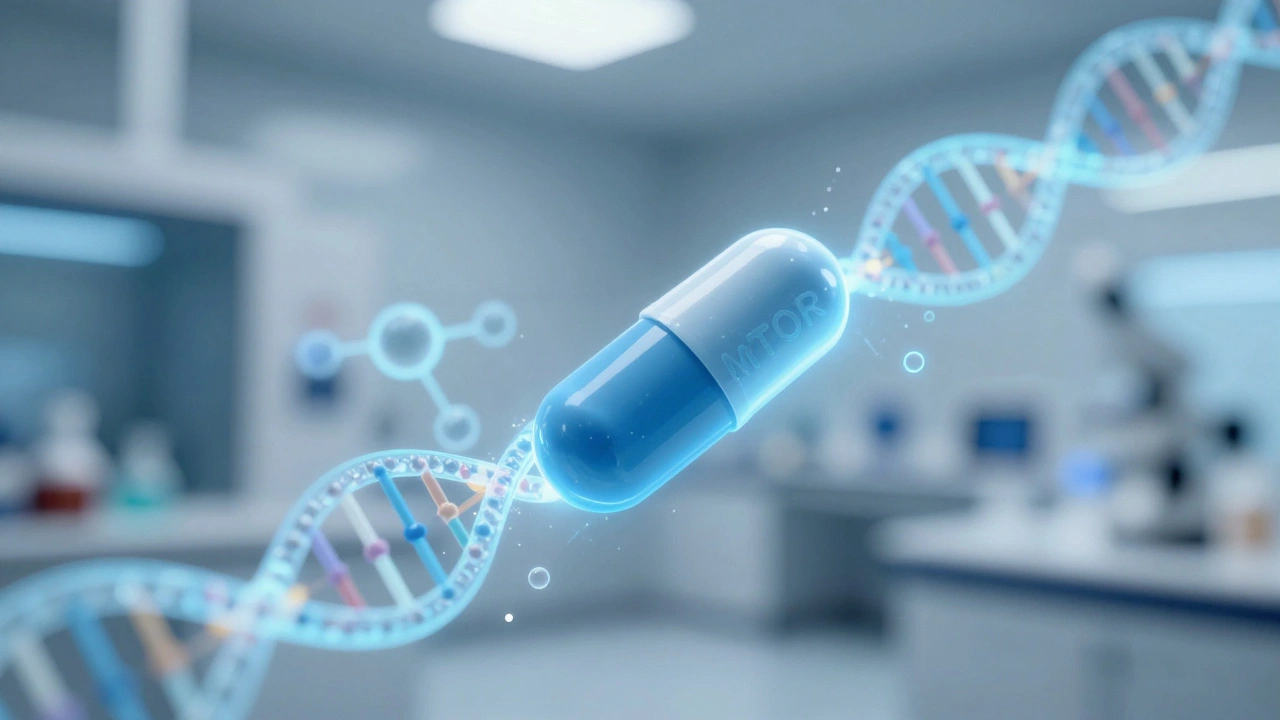
Why is it considered a potential miracle drug? Rapamycin inhibits a protein complex called mTOR (mechanistic target of rapamycin). Think of mTOR as the body’s main growth switch. When mTOR is highly active, cells grow and divide rapidly. This is great for healing wounds but bad for long-term maintenance, as it can lead to cellular damage and cancer. When mTOR is inhibited, cells enter a state of conservation and repair, a process similar to what happens during fasting or caloric restriction.
| Attribute | Detail |
|---|---|
| Primary Mechanism | mTOR inhibition |
| Clinical Status (2026) | Off-label for longevity; FDA-approved for transplants |
| Evidence in Mice | Extends median lifespan by up to 30% |
| Human Trials | Early-phase trials focusing on immune function and cognitive decline |
| Common Side Effects | Mouth ulcers, increased infection risk, metabolic changes |
In mice, low-dose rapamycin has consistently extended lifespan across different strains, even when started late in life. However, translating this to humans is tricky. Because rapamycin suppresses the immune system, taking it daily could make you more susceptible to infections. Current research in 2026 is focused on finding the "sweet spot"-a dose low enough to trigger cellular repair without compromising immune defense. Some protocols suggest pulsed dosing (taking it once a week) rather than daily intake to mitigate these risks.
The Popular Alternative: Metformin
If rapamycin is the scientist’s favorite, Metformin is the public’s choice. It is one of the most prescribed drugs in the world, primarily used to manage type 2 diabetes. But its effects go far beyond blood sugar control.
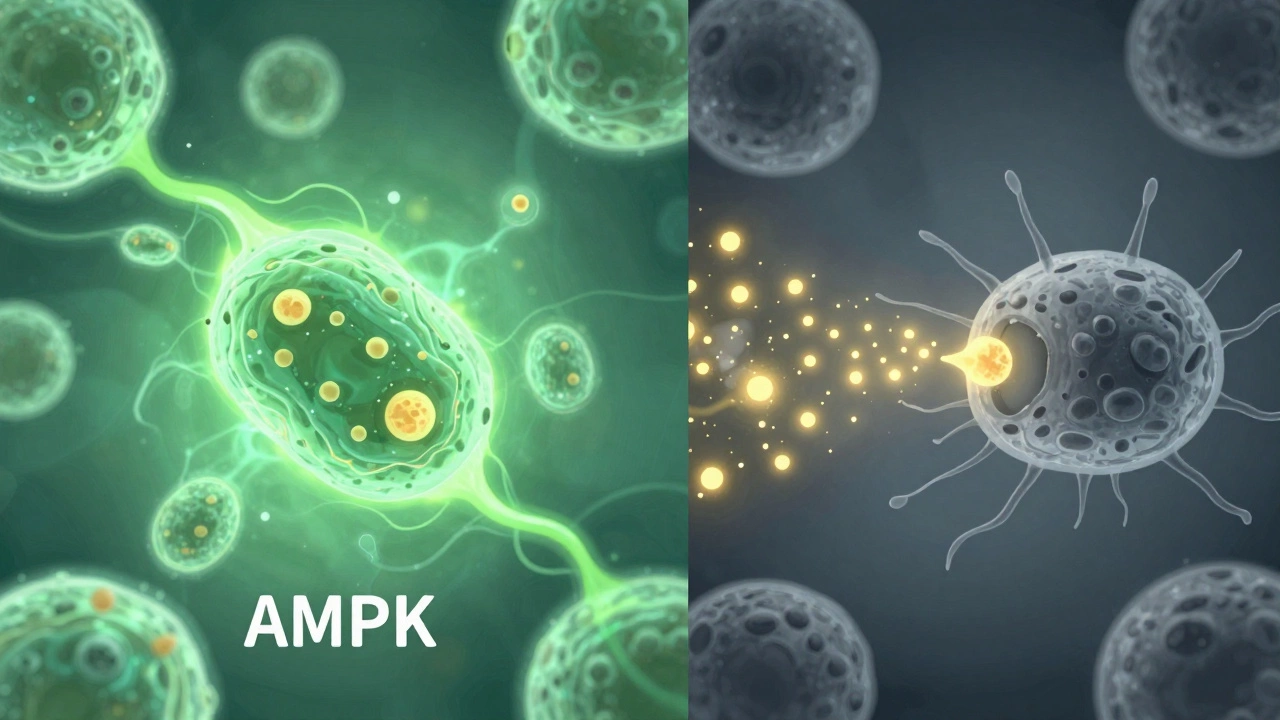
Metformin works by activating an enzyme called AMPK (AMP-activated protein kinase). AMPK is often described as the cell’s energy sensor. When energy levels are low, AMPK turns on, promoting efficient energy use and reducing inflammation. Epidemiological studies have long observed that people with type 2 diabetes taking metformin tend to live longer and have fewer age-related diseases than non-diabetics. This sparked the TAME (Targeting Aging with Metformin) trial, which aims to prove that metformin can delay multiple age-related conditions simultaneously.
By 2026, the data on metformin is mixed. While it is safe, affordable, and widely available, it may not be the "miracle" many hoped for. Recent analyses suggest that while it helps those with insulin resistance or pre-diabetes, its benefits for healthy individuals are less clear. There are also concerns about B12 deficiency and potential impacts on muscle mass and exercise performance, which are critical for maintaining independence in older age. For someone without metabolic issues, the risk-benefit ratio needs careful evaluation by a physician.
Clearing the Debris: Senolytics
Aging is partly caused by "zombie cells," scientifically known as senescent cells. These are cells that have stopped dividing but refuse to die. They accumulate over time and secrete inflammatory chemicals that damage neighboring healthy cells. This creates a vicious cycle of inflammation and tissue degeneration.
Senolytics are drugs designed to selectively kill these senescent cells. Unlike chemotherapy, which kills all rapidly dividing cells, senolytics target specific survival pathways in zombie cells. Two leading candidates are dasatinib (a leukemia drug) combined with quercetin (a flavonoid found in onions and apples), and fisetin (found in strawberries).
Animal studies have shown that periodic doses of senolytics can improve physical function, reduce frailty, and even reverse some signs of aging in tissues like the heart and lungs. In 2026, human trials are underway to test whether these pulses of senolytic therapy can improve mobility in older adults with idiopathic pulmonary fibrosis and kidney disease. The approach is not about daily supplementation but rather intermittent "clean-up" cycles, perhaps a few times a year.
Other Notable Compounds in the Pipeline
Beyond the big three, several other molecules are generating buzz:
- NAD+ Precursors (NMN and NR): Nicotinamide mononucleotide (NMN) and nicotinamide riboside (NR) boost levels of NAD+, a coenzyme essential for energy metabolism and DNA repair. NAD+ levels drop significantly with age. While popular in supplements, robust clinical evidence for lifespan extension in humans is still emerging.
- GlyNAC: A combination of glycine and N-acetyl cysteine (NAC). This antioxidant blend has shown promise in restoring glutathione levels, reducing oxidative stress, and improving mitochondrial function in older adults. Early trials suggest improvements in fatigue and balance.
- Fisetin: As mentioned, it acts as a senolytic but also has strong anti-inflammatory properties. It is being studied for its ability to cross the blood-brain barrier and potentially protect against neurodegenerative diseases.
The Reality Check: Risks and Regulations
It is vital to understand that none of these drugs are currently FDA-approved for the treatment of aging. Using them for this purpose is considered "off-label." This means your doctor prescribes them based on their judgment and emerging science, not because regulatory bodies have deemed them safe and effective for longevity.
Self-medicating with prescription drugs like rapamycin or metformin carries significant risks. Rapamycin can cause serious side effects including mouth sores, high cholesterol, and impaired wound healing. Metformin can lead to gastrointestinal distress and lactic acidosis in rare cases. Senolytics are powerful cytotoxins; improper dosing could harm healthy cells.
Furthermore, the supplement market is largely unregulated. Products labeled as NMN or Fisetin may contain impurities or incorrect dosages. Always source medications from reputable pharmacies and supplements from third-party tested brands.

How to Approach Longevity Drugs Safely
If you are interested in exploring these options, here is a practical roadmap:
- Consult a Specialist: Find a physician who specializes in longevity medicine or functional medicine. They can assess your biomarkers, genetic risk, and overall health status.
- Baseline Testing: Before starting any intervention, establish baseline metrics. This includes comprehensive blood panels, inflammatory markers (like CRP), glucose tolerance tests, and possibly epigenetic clocks (DNA methylation tests) to estimate biological age.
- Start with Lifestyle Foundations: No drug can outwork a poor diet, lack of sleep, or sedentary lifestyle. Prioritize whole foods, regular strength training, cardiovascular exercise, and quality sleep. These interventions have the strongest evidence base for extending healthspan.
- Consider One Intervention at a Time: If you decide to try a drug like metformin or a supplement like NMN, introduce it slowly and monitor your response. Do not stack multiple unproven interventions simultaneously, as interactions can be unpredictable.
- Track Progress: Re-test biomarkers every 6-12 months to see if the intervention is having the desired effect. Look for improvements in inflammation, metabolic health, and physical function.
The Future of Anti-Aging Medicine
We are living in a pivotal moment. The definition of aging is shifting from an inevitable decline to a manageable condition. By 2030, it is likely that we will see the first drugs specifically approved for age-related indications. Personalized medicine will play a huge role; your ideal longevity protocol will depend on your genetics, environment, and current health status.
Until then, the "miracle drug" remains a work in progress. The best strategy is to stay informed, remain skeptical of hype, and focus on evidence-based approaches. Combining foundational lifestyle habits with carefully monitored medical interventions offers the most promising path to a longer, healthier life.
Is there an FDA-approved drug for aging?
No, as of 2026, there are no FDA-approved drugs specifically for treating aging. Drugs like rapamycin and metformin are used off-label for longevity purposes, meaning they are prescribed for conditions other than their original approval (e.g., transplants or diabetes) based on emerging scientific evidence.
Can rapamycin reverse aging in humans?
Rapamycin has shown significant lifespan extension in mice, but human data is still preliminary. It may slow certain aspects of biological aging and improve immune function, but it does not "reverse" aging in the sense of turning back the clock. Human trials are ongoing to determine optimal dosing and safety profiles.
Is metformin safe for healthy people?
Metformin is generally safe for most people, but it is not without risks. Healthy individuals may experience side effects like gastrointestinal issues, B12 deficiency, and reduced exercise performance. Its benefits for those without insulin resistance are less clear, so it should only be taken under medical supervision.
What are senolytics and how do they work?
Senolytics are drugs that selectively kill senescent or "zombie" cells, which accumulate with age and cause inflammation. Examples include dasatinib plus quercetin and fisetin. They are typically taken in intermittent pulses rather than daily, aiming to clear out damaged cells and improve tissue function.
Should I take NMN or NR supplements?
NMN and NR are popular NAD+ precursors that support cellular energy and repair. While animal studies are promising, human evidence for lifespan extension is still limited. They are generally considered safe, but quality varies among brands. Consult a healthcare provider before starting, especially if you have existing health conditions.
How do I find a doctor for longevity medicine?
Look for physicians specializing in functional medicine, integrative medicine, or geriatrics who have a stated interest in longevity science. Organizations like the American Academy of Anti-Aging Medicine (A4M) or local longevity clinics can provide referrals. Ensure the doctor emphasizes evidence-based practices and comprehensive testing.