
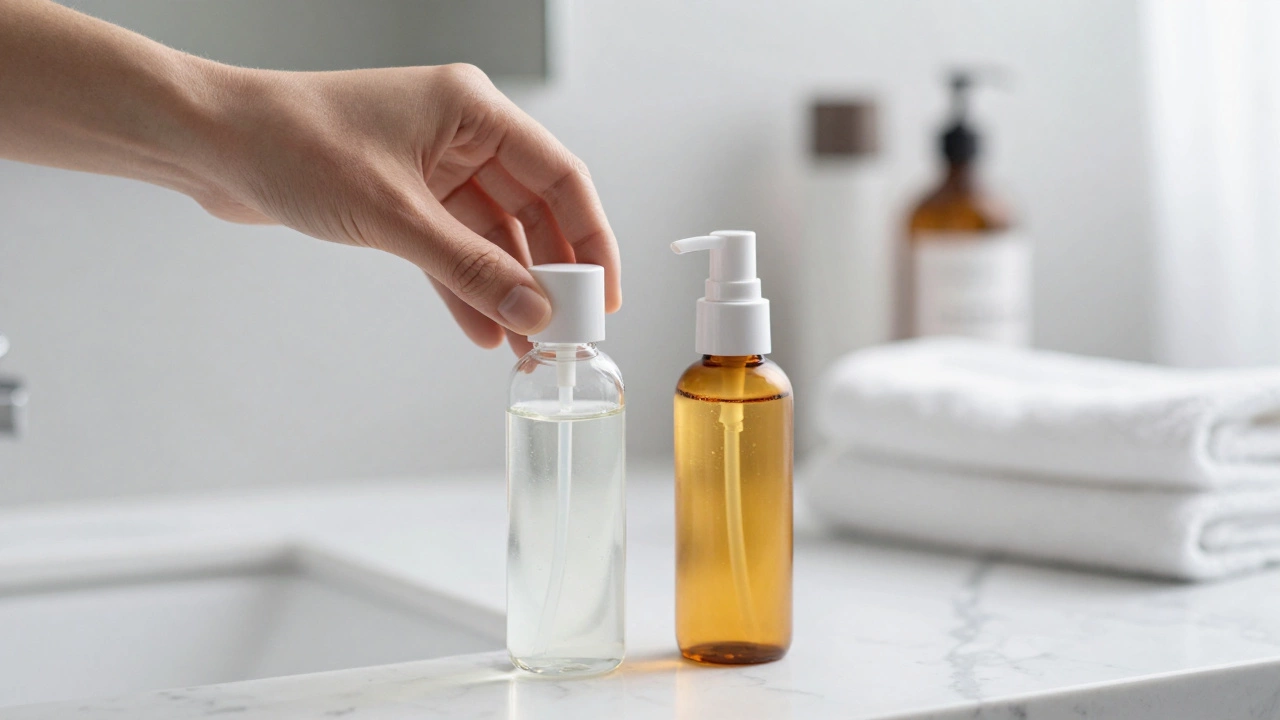
Skincare Routine Order Simulator
Controls
Follow the steps to build your optimal morning routine.
Routine Complete!
You have successfully layered your products from thinnest to thickest. This ensures maximum absorption of the Vitamin C antioxidant protection.
There is a specific moment in every skincare routine where hesitation sets in. You have washed your face. Your skin feels clean. Now you have two bottles in front of you: one labeled 'toner' and the other 'vitamin C.' Which one goes on first? If you apply them in the wrong order, you might not just waste money-you could actually block the benefits of the more expensive product.
The short answer is simple: **toner** always comes before **vitamin C**. This isn't just an arbitrary rule from a beauty magazine; it is based on how molecules interact with your skin barrier. But understanding *why* this order matters will help you get better results from every drop of product you use.
The Logic Behind Layering: Thin to Thick
Your skincare routine follows a basic physics principle: smaller particles penetrate faster than larger ones. To maximize absorption, you must apply products from thinnest consistency to thickest. Think of it like watering a plant. If you pour water onto dry soil, it soaks in. If you pour water onto wet soil that already has a layer of mulch on top, the water sits on the surface and evaporates.
Toner is a lightweight liquid designed to balance skin pH and prepare the surface for subsequent treatments. It usually has a watery texture, similar to plain water or diluted juice. Because its molecular structure is small and its viscosity is low, it penetrates the stratum corneum (the outermost layer of skin) quickly.
Vitamin C Serum is a concentrated antioxidant treatment formulated to brighten skin and protect against environmental damage. While still liquid, serums are thicker than toners. They contain active ingredients like L-ascorbic acid, sodium ascorbyl phosphate, or ethylated ascorbic acid, suspended in a base that often includes humectants like glycerin or hyaluronic acid. These bases create a slightly heavier film on the skin to ensure the active ingredient stays in contact with your pores long enough to work.
If you apply vitamin C first, you create a semi-occlusive layer. When you follow that with toner, the toner cannot penetrate through the vitamin C layer effectively. Instead, it slides off or sits on top, doing very little to prep your skin. By applying toner first, you clear away any residual impurities and adjust your skin's pH, creating a receptive canvas for the vitamin C to dive deep into the epidermis.
Why Toner Prepares Your Skin for Vitamin C
You might wonder if you can skip the toner entirely. For some people, yes. But for most, toner serves a critical function that enhances the performance of vitamin C. There are three main reasons toner acts as the perfect primer for your antioxidant serum.
1. pH Balancing
Your natural skin pH is slightly acidic, hovering around 4.5 to 5.5. Many cleansers, especially foaming ones, have a higher pH (more alkaline), which can temporarily disrupt your skin barrier. Vitamin C, particularly L-ascorbic acid, works best in an acidic environment (pH below 3.5). If your skin is still alkaline after washing, the vitamin C may not penetrate efficiently or could even convert into less effective forms. A good toner helps restore that acidic mantle immediately after cleansing, ensuring your skin is chemically ready for the potent actives in your serum.
2. Hydration Boost
Dehydrated skin absorbs products poorly. Imagine trying to push a needle into a dry sponge versus a wet one. Toners, especially those containing hydrating ingredients like hyaluronic acid, rose water, or glycerin, add a layer of hydration to the surface. This plumps up the skin cells slightly, allowing the vitamin C serum to spread evenly and absorb more uniformly. Dry patches can cause uneven absorption, leading to patchy results or irritation.
3. Removing Residual Impurities
Even the gentlest cleanser might leave behind trace amounts of hard water minerals, makeup residue, or pollution particles. Toners act as a second cleanse. By removing these microscopic barriers, you ensure that the vitamin C makes direct contact with your skin cells rather than sitting on top of dirt or mineral deposits.
Types of Toners and How They Interact with Vitamin C
Not all toners are created equal. In the past, toners were alcohol-heavy astringents designed to strip oil. Those days are largely over, but you still need to choose wisely when pairing with vitamin C.
| Toner Type | Key Ingredients | Compatibility with Vitamin C | Best For |
|---|---|---|---|
| Hydrating Toner | Hyaluronic Acid, Glycerin, Rose Water | Excellent - Boosts absorption without irritation | Dry, Dehydrated, Sensitive Skin |
| Exfoliating Toner (AHA/BHA) | Glycolic Acid, Salicylic Acid | Moderate - Use at different times of day to avoid irritation | Oily, Acne-Prone, Dull Skin |
| Alcohol-Based Astringent | Denatured Alcohol, Witch Hazel (high %) | Poor - Can cause stinging and reduce efficacy | Very Oily Skin (Use sparingly) |
| pH Balancing Toner | Lactic Acid, Fermented Extracts | Excellent - Optimizes environment for L-Ascorbic Acid | All Skin Types |
If you use an exfoliating toner with alpha hydroxy acids (AHAs) like glycolic acid, be cautious. Both AHAs and vitamin C are acidic. Using them together can increase the risk of irritation, redness, or peeling, especially if you have sensitive skin. A common strategy among dermatologists is to use exfoliating toners in the evening and vitamin C in the morning. However, if your skin is resilient, you can use them together, provided you wait a few minutes between applications to let the toner fully absorb and the pH to stabilize.
Hydrating toners are the safest and most beneficial partner for vitamin C. They provide the moisture boost that helps the serum glide on smoothly, reducing the chance of pilling (when products ball up on the skin).

Step-by-Step: The Correct Morning Routine
To get the most out of your products, follow this precise sequence. Timing and technique matter just as much as the order.
- Cleanse: Start with a gentle cleanser suitable for your skin type. Rinse thoroughly with lukewarm water. Pat your face dry with a clean towel, but leave it slightly damp. Damp skin helps toner absorb better.
- Apply Toner: Pour a small amount of toner into your palms or onto a cotton pad. If using hands, press and pat the toner into your skin. Avoid rubbing harshly. Let it absorb for 30 to 60 seconds. You should feel your skin hydrated but not sticky.
- Wait Briefly: This step is often skipped but crucial. Waiting allows the toner to settle and the skin's pH to normalize. Rushing into the next step can dilute the serum or cause uneven application.
- Apply Vitamin C Serum: Dispense 3-5 drops of vitamin C serum into your palm. Gently press it onto your face, starting from the center and moving outward. Focus on areas with hyperpigmentation or dullness. Do not rub aggressively; pressing encourages absorption without tugging the skin.
- Moisturize: Once the serum has absorbed (usually after another minute), apply your moisturizer. This locks in the hydration from the toner and the antioxidants from the serum.
- Sunscreen: This is non-negotiable. Vitamin C boosts your skin's defense against UV damage, but it does not replace sunscreen. Apply a broad-spectrum SPF 30 or higher as the final step.
Common Mistakes That Reduce Efficacy
Even with the right order, small errors can undermine your routine. Here are the pitfalls to avoid.
Applying to Wet Skin
While leaving skin slightly damp after toning is good, applying vitamin C to soaking wet skin can alter its concentration. Water dilutes the serum, potentially making it less effective. More importantly, if your skin is too wet, the serum may run down your face rather than absorbing into your pores.
Using Expired or Oxidized Vitamin C
Vitamin C is unstable. When exposed to light, air, or heat, it oxidizes and turns orange or brown. Oxidized vitamin C loses its antioxidant power and can sometimes cause free radical damage instead of preventing it. Always store your serum in a cool, dark place, preferably in an opaque or airless pump bottle. If your serum smells like old oranges or vinegar, toss it.
Mixing Incompatible Actives
Avoid combining vitamin C with niacinamide in high concentrations if you have sensitive skin, although modern formulations often stabilize them together. More critically, do not mix vitamin C with benzoyl peroxide or retinol in the same routine unless you know your skin tolerates it well. These combinations can lead to significant irritation. Stick to vitamin C in the morning and retinol at night for optimal results.
Skipping the Wait Time Impatience is the enemy of absorption. If you layer moisturizer immediately after serum, you trap the serum on the surface. Give each product time to do its job. A general rule of thumb is to wait until the previous layer feels tacky-free before applying the next.

Special Considerations for Different Skin Types
Your skin type dictates how strictly you need to adhere to certain steps. Here is how to adjust the toner-to-vitamin-C protocol based on your unique needs.
Oily and Acne-Prone Skin
You might be tempted to skip toner because you think your skin produces enough oil. However, oily skin often suffers from dehydration due to harsh cleansing. Use a lightweight, alcohol-free toner with salicylic acid or witch hazel to control sebum without stripping. Follow with a water-based vitamin C serum. Avoid heavy, oil-based vitamin C formulations that can clog pores.
Dry and Sensitive Skin
Your priority is barrier repair. Choose a creamy or milky toner rich in ceramides and hyaluronic acid. This provides a cushion for the vitamin C, reducing the likelihood of stinging. Opt for gentler forms of vitamin C, such as magnesium ascorbyl phosphate or tetrahexyldecyl ascorbate, which are less irritating than pure L-ascorbic acid.
Combination Skin
Balance is key. Use a hydrating toner on drier areas (cheeks) and a balancing toner on oilier zones (T-zone). You can apply vitamin C all over, but consider using a lighter hand on areas prone to breakouts to avoid congestion.
When Can You Skip Toner?
If your cleanser is pH-balanced and leaves your skin feeling soft and hydrated-not tight or squeaky-you might not need a separate toner. Some modern cleansers include hydrating agents that mimic the effects of a toner. In this case, you can go straight from cleanser to vitamin C. However, if you live in an area with hard water, or if you wear heavy makeup during the day, toner remains a valuable step to ensure no residue blocks your serum.
Ultimately, the goal of your skincare routine is not just to follow rules, but to support your skin's health. Understanding why toner precedes vitamin C empowers you to make informed choices. Whether you use a simple hydrating mist or a complex exfoliating solution, placing it before your antioxidant serum ensures that your skin receives the maximum benefit from both products.
Can I use toner and vitamin C at the same time?
Yes, you can and should use them in the same routine. Toner prepares the skin by balancing pH and adding hydration, while vitamin C provides antioxidant protection. Apply toner first, let it absorb, then apply vitamin C serum.
What happens if I apply vitamin C before toner?
If you apply vitamin C before toner, the serum may not absorb as effectively because the toner cannot penetrate through the serum layer. This can lead to reduced efficacy of the vitamin C and wasted product. The toner might also sit on top of the skin without providing its intended pH-balancing benefits.
Do I need to wait between applying toner and vitamin C?
It is recommended to wait 30 to 60 seconds after applying toner. This allows the toner to fully absorb and the skin's pH to stabilize, creating an optimal environment for the vitamin C serum to penetrate deeply without dilution or irritation.
Can I use an exfoliating toner with vitamin C?
You can, but caution is advised. Exfoliating toners containing AHAs or BHAs can increase sensitivity when combined with vitamin C. If you have sensitive skin, use them at different times of the day (e.g., exfoliating toner at night, vitamin C in the morning). If your skin is resilient, ensure you wait several minutes between applications to minimize irritation risk.
Is toner necessary if I use vitamin C serum?
Toner is not strictly mandatory, but it is highly beneficial. It helps remove residual impurities, balances skin pH, and adds hydration, all of which enhance the absorption and effectiveness of vitamin C serum. If your cleanser is very gentle and pH-balanced, you might skip it, but for most people, toner improves overall routine performance.
Should I apply vitamin C on damp or dry skin?
Apply vitamin C on skin that is slightly damp from toner but not soaking wet. Damp skin helps with absorption, but excessive water can dilute the serum. After applying toner, wait until the surface feels tacky-free but still hydrated before applying the serum.
Does the type of vitamin C affect the order of application?
No, the order remains the same regardless of the vitamin C derivative (L-ascorbic acid, sodium ascorbyl phosphate, etc.). All vitamin C serums are thicker than toners and should be applied after toner to ensure proper penetration and efficacy.