
2026 Makeup Brand Popularity Quiz
Quiz Complete!
Your Score: 0/5
You walk into a store or scroll through an online cart, and suddenly you are drowning in options. Is it the glossy packaging of MAC that catches your eye, or the clean, clinical aesthetic of Rare Beauty? We all want to know which names actually dominate the shelves. It is not just about hype; it is about who is selling the most lipstick, foundation, and mascara right now.
Here is the thing: "popular" means different things depending on where you look. Are we talking about total revenue? Social media buzz? Or shelf presence in your local pharmacy? In 2026, the landscape has shifted. Legacy giants like L'Oréal Paris a French multinational personal care company still hold massive market share, but celebrity-founded brands and indie darlings are eating their lunch in specific niches. Let's break down who is really winning, based on sales data, brand recognition, and consumer loyalty.
The Undisputed Heavyweights: Mass Market Dominance
If you define popularity by sheer volume of units sold, L'Oréal Paris remains the king. It is everywhere. From supermarkets in Brighton to high-end department stores in London, this brand is ubiquitous. Why? Because they master the balance between affordability and perceived quality. Their True Match foundation alone sells millions of bottles annually worldwide.
Close behind is Maybelline New York. If L'Oréal is the reliable older sibling, Maybelline is the trendsetter. They were quick to jump on the TikTok wave with products like the Lash Sensational Sky High Mascara. This product became a viral sensation, driving sales spikes that traditional marketing budgets couldn't buy. For many beginners, Maybelline is the first serious makeup purchase because it feels safe yet exciting.
- Affordability: Both brands offer entry-level pricing, making them accessible to students and young professionals.
- Availability: You can find them in almost every retail outlet globally.
- Innovation Speed: They release new shades and formulas faster than most competitors.
The Luxury Titans: Prestige and Performance
Now, shift your gaze to the high end. When money is less of an object, Estée Lauder often tops the list for prestige skincare-makeup hybrids. Their Double Wear Foundation is legendary for its longevity. Makeup artists swear by it for weddings and film sets because it simply does not budge. This reliability builds immense trust, translating directly into consistent sales year after year.
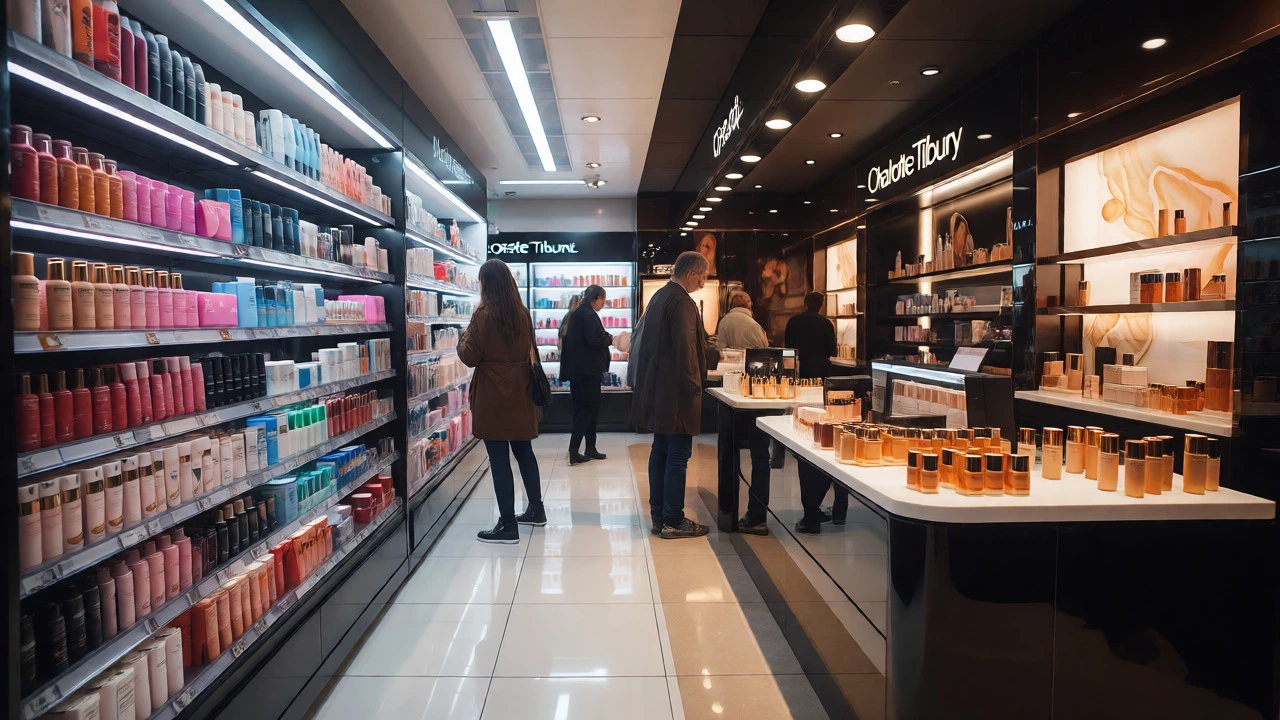
Then there is Charlotte Tilbury. Since its rise, this British brand has become synonymous with the "glam" look. The Pillow Talk lip liner isn't just a product; it's a cultural icon. Charlotte Tilbury understood something crucial early on: sell the fantasy, not just the pigment. Their packaging, lighting, and in-store experiences create a sense of occasion. While expensive, consumers justify the cost through the emotional connection and superior finish.
| Brand | Best Known For | Price Range | Primary Audience |
|---|---|---|---|
| Estée Lauder | Long-wear foundations, anti-aging benefits | $$$ | Mature demographics, professional women |
| Charlotte Tilbury | Pillow Talk collection, glow-focused products | $$$$ | Trend-followers, bridal market |
| NARS | Blushes (Orgasm), bold pigments | $$$ | Makeup enthusiasts, artists |
| Dior Beauty | Lipsticks (Rouge Dior), luxury fragrances | $$$$ | Fashion-conscious consumers |
The Celebrity Effect: Influence Over Inventory
We cannot talk about popularity without mentioning the power of celebrity founders. Fenty Beauty, launched by Rihanna, changed the industry standard for inclusivity. Before Fenty, finding a foundation match for deep skin tones was a nightmare. Rihanna released 40 shades at launch. Now, that's the baseline. This move didn't just win fans; it forced every other major brand to rethink their shade ranges. Today, Fenty consistently ranks among the top-selling prestige brands in North America and Europe.
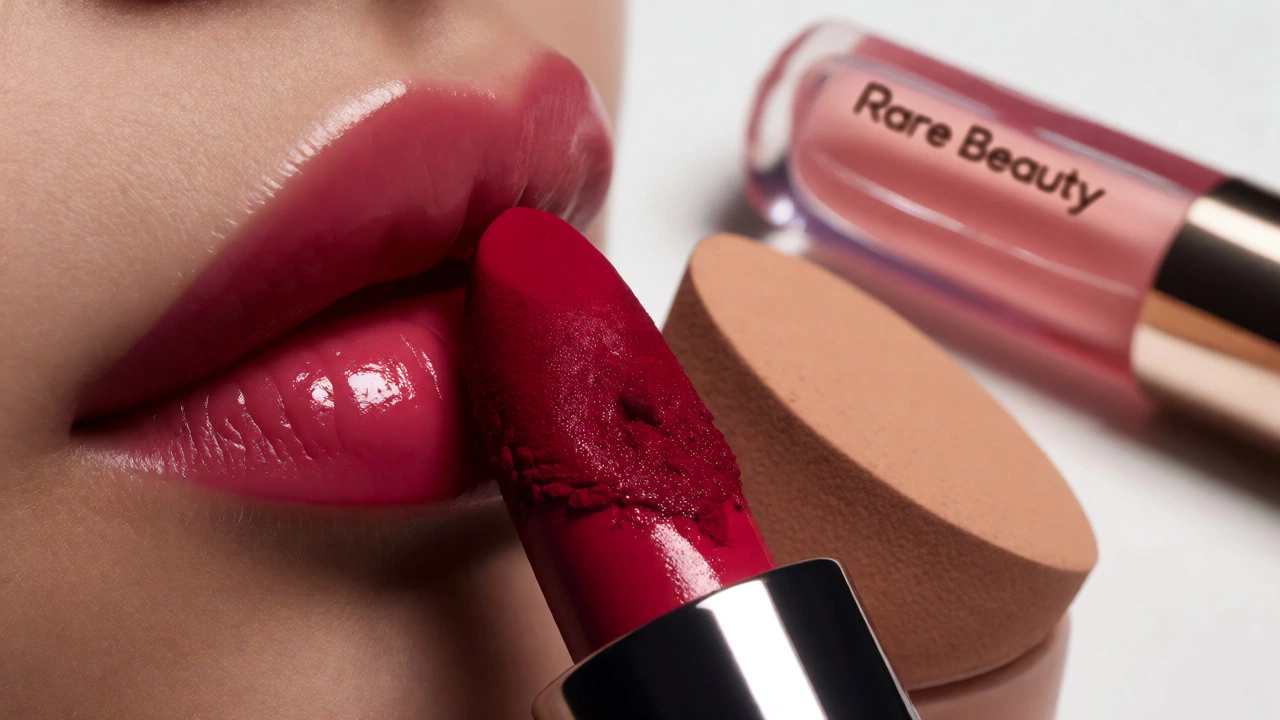
Rare Beauty by Selena Gomez follows a similar trajectory but focuses on minimalism. Her slogan, "Wet Lip Oil," might sound simple, but it resonated with a generation tired of heavy, cakey makeup. The brand's success lies in its relatability. It doesn't promise perfection; it promises ease. Sales figures show that Rare Beauty captures a significant portion of the Gen Z market, proving that authenticity sells better than polished perfection.
Don't overlook Huda Beauty. Huda Kattan started as a blogger, and her transition to a global beauty mogul is textbook. Her false lashes and liquid lipsticks dominated Instagram feeds for years. While some say the hype has cooled slightly compared to its peak in 2018, Huda Beauty remains a top-tier player in the social commerce space. Their ability to engage directly with fans via comments and stories keeps them relevant.
Pro Artists and Indie Darlings
Not all popular brands come from celebrities or corporations. Some earn their status through sheer performance. MAC Cosmetics is the classic example. Founded in Toronto, MAC built its reputation in the backstage dressing rooms of fashion shows. Professionals love it because the pigmentation is intense, and the color range is vast. While it faces stiff competition, MAC maintains strong loyalty among makeup artists and serious hobbyists. Their limited-edition collaborations often sell out within hours, creating a scarcity effect that drives continuous interest.
Another standout is Anastasia Beverly Hills. Anastasia Soare revolutionized brow grooming. Before her, brows were thin and over-plucked. She introduced the Golden Ratio method, turning eyebrows into a focal point of makeup. Her Brow Wiz pencil is one of the best-selling single items in the US. This niche dominance proves that owning a specific category (like brows) can make a brand more popular than generalist competitors.
Indie brands like Glossier also hold a special place. Although Glossier faced financial restructuring recently, its community-driven model remains influential. They treat customers as insiders, using feedback loops to develop products. This approach creates fierce brand advocacy. People don't just buy Glossier; they identify with it. That emotional stickiness translates to steady sales despite market volatility.
How to Choose Your Brand
So, how do you decide which brand deserves your money? It depends on your priorities. Do you need durability for a long day at work? Go with Estée Lauder or L'Oréal. Do you want to experiment with bold colors? Try NARS or MAC. Are you looking for easy, everyday wear? Rare Beauty or Glossier fit the bill.
Consider these factors before buying:
- Skin Type: Oily skin needs matte formulas (MAC, Estée Lauder). Dry skin benefits from hydrating ingredients (Rare Beauty, Charlotte Tilbury).
- Budget: Drugstore brands (Maybelline, L'Oréal) offer great value. Luxury brands charge for packaging and brand equity.
- Ethics: Check if the brand is cruelty-free or vegan. Many modern brands highlight this prominently.
- Shade Range: If you have unique undertones, prioritize brands known for inclusivity like Fenty or MAC.
Remember, the "most popular" brand isn't always the best for you. A brand might be #1 in sales because of aggressive advertising, not necessarily superior formulation. Always patch-test new products. Read reviews from people with similar skin concerns. Your perfect match might be a smaller, less hyped brand that prioritizes clean ingredients.
Which makeup brand has the highest global sales?
L'Oréal Paris consistently reports the highest global sales volume in the mass-market segment. However, in the prestige sector, brands like Estée Lauder and Lancôme compete closely for the top spot depending on the region and year.
Are expensive makeup brands worth the extra cost?
Not always. Sometimes you pay for packaging and marketing. However, luxury brands often use higher-quality pigments and longer-lasting formulations. For critical events like weddings, the investment in a premium foundation or setting spray can save time and stress. For daily wear, mid-range brands often perform equally well.
What is the most popular makeup brand for beginners?
Maybelline New York and e.l.f. Cosmetics are frequently recommended for beginners. They offer affordable prices, forgiving formulas, and wide availability, allowing newcomers to experiment without breaking the bank.
Do celebrity makeup brands last longer than regular brands?
Some do, but it varies. Fenty Beauty and Rare Beauty have maintained strong sales due to effective formulas and strong community engagement. Others fade quickly if the product quality doesn't match the hype. Researching ingredient lists and independent reviews is safer than relying solely on the founder's fame.
Which brand is best for sensitive skin?
Brands like Clinique and BareMinerals are often cited for sensitive skin due to their fragrance-free and non-comedogenic formulations. Always check for labels like "dermatologist-tested" and avoid products with high alcohol content or synthetic fragrances if you react easily.