
Beauty Subscription Cancellation Friction Calculator
Enter your subscription details to see how much "friction" costs you annually and compare it to easy-to-cancel services like Netflix.
You open your bank app and see a charge from Beauty Pie or Ipsy, but you haven't used the service in months. You try to log in, hunt for the "Cancel" button, and realize it’s buried under three menus, requires a phone call during business hours, or demands an email sent at least 30 days before renewal. It feels personal, like they’re holding your credit card hostage. But it’s not personal. It’s math.
| Barrier Type | Description | User Impact |
|---|---|---|
| Navigation Friction | Hiding cancellation links deep in account settings | Users abandon the process due to frustration |
| Retention Offers | Immediate pop-ups offering discounts to stay | Impulse decision to keep paying for unused perks |
| Time Locks | Requiring cancellation 7-30 days before billing cycle | Missed deadlines result in another month of charges |
| Contact Methods | Forcing phone calls or emails instead of one-click cancel | High effort discourages users from following through |
The Psychology Behind Sticky Subscriptions
Companies don’t make it hard to leave because they hate you. They do it because switching costs are real, even when those costs are artificial. In behavioral economics, this is known as status quo bias. People tend to stick with their current situation if the effort to change it feels disproportionate to the benefit. For a £15 monthly beauty box subscription service that sends curated cosmetics samples, saving £180 a year might not feel worth the twenty minutes spent navigating a clunky website. Companies know this. They bet on your inertia.
Think about the last time you tried to cancel a gym membership versus a Netflix account. Netflix lets you cancel in two clicks. Your local gym might require a notarized letter. Beauty brands sit somewhere in the middle, often leaning toward the gym model. Why? Because beauty subscriptions rely heavily on impulse buys and discovery. If you have to think too hard about leaving, you’ll likely just let it renew again. That extra month of revenue is pure profit for them, derived entirely from friction.
Dark Patterns in User Interface Design
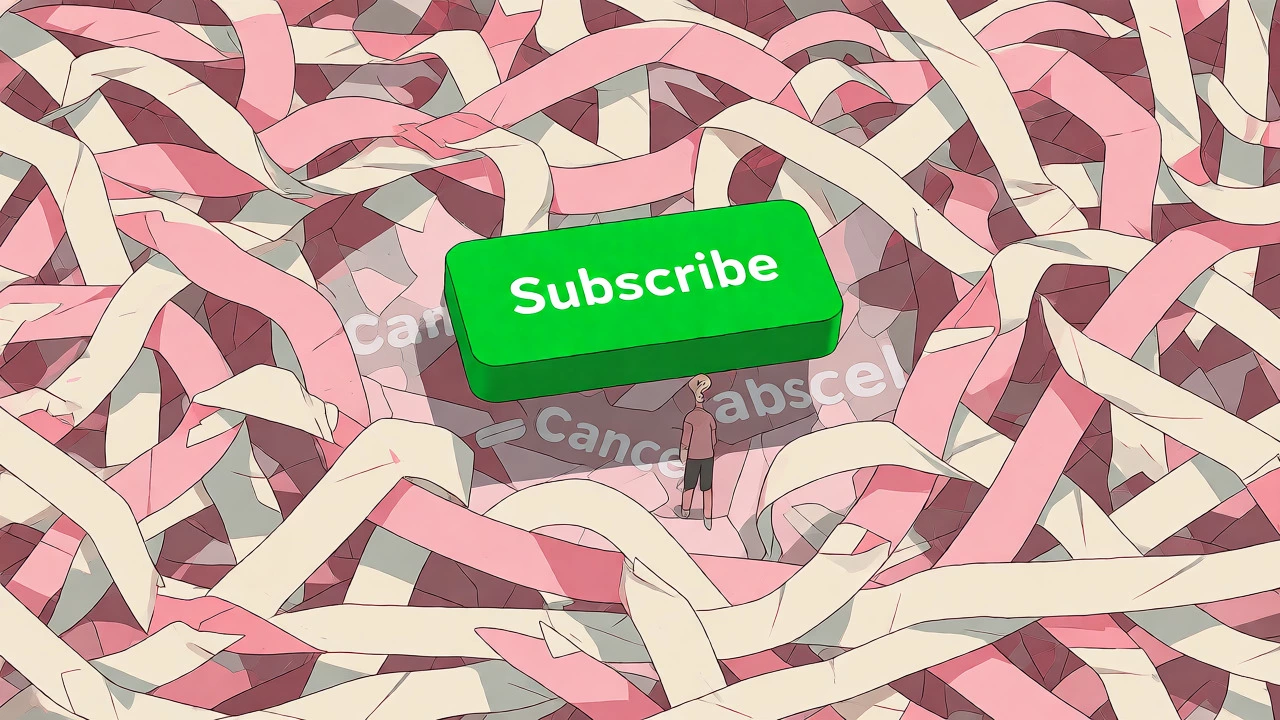
Ever noticed how the "Subscribe" button is bright green and huge, while the "Cancel" link is tiny, grey, and hidden in the footer? This isn’t bad design; it’s intentional manipulation. These are called dark patterns user interface designs carefully crafted to trick users into doing things they didn't intend to do. In the context of beauty boxes, these patterns manifest in specific ways:
- Confirmshaming: When you click cancel, a popup says, "No thanks, I prefer full-price products," making you feel silly for leaving.
- Nagging: Multiple screens asking, "Are you sure?" followed by "Really?" and "Did you know you lose free shipping?"
- Obfuscated Contact Info: Hiding customer support numbers until you’ve exhausted all self-service options.
A study by the Consumer Federation of America found that nearly half of subscription services use some form of dark pattern. For beauty brands, this is amplified because the product is subjective. They can argue that you’re missing out on the next big serum launch, leveraging fear of missing out (FOMO) to keep you hooked.
The Economics of Churn vs. Acquisition
To understand why cancellation is difficult, you have to look at the unit economics of a subscription box recurring delivery of niche products. Acquiring a new customer is expensive. Marketing costs, influencer partnerships, and introductory discounts mean the first few months of a subscriber’s life are often unprofitable. The company needs you to stay for six to twelve months to break even and start generating profit.
If every user could cancel instantly, churn rates would skyrocket. High churn forces companies to spend more on marketing to replace lost customers, creating a vicious cycle. By adding friction-like requiring an email request five days before the renewal date-they artificially lower churn. Even if only 10% of people who want to quit get annoyed enough to give up, that’s 10% more recurring revenue without spending a penny on advertising.
Regulatory Changes and Consumer Rights
The landscape is shifting, though. In the UK, where I live in Brighton, consumer protection laws are tightening. The Competition and Markets Authority (CMA) has been cracking down on unfair terms in subscription contracts. Similarly, in the US, the FTC proposed rules requiring businesses to make cancelling as easy as signing up. This "click-to-cancel" mandate aims to ban dark patterns.
However, enforcement is slow. Many beauty brands still operate in a grey area. They comply technically by allowing cancellation but make the process cumbersome enough to deter the average user. Until regulators enforce strict penalties, expect these barriers to remain. Always check the terms and conditions before signing up. Look for phrases like "auto-renews unless cancelled by [date]" rather than vague promises of flexibility.
How to Cancel Without Losing Your Mind
So, what do you do when you’re stuck in a loop of unwanted face masks and lip glosses? Here’s a practical strategy to reclaim your money:
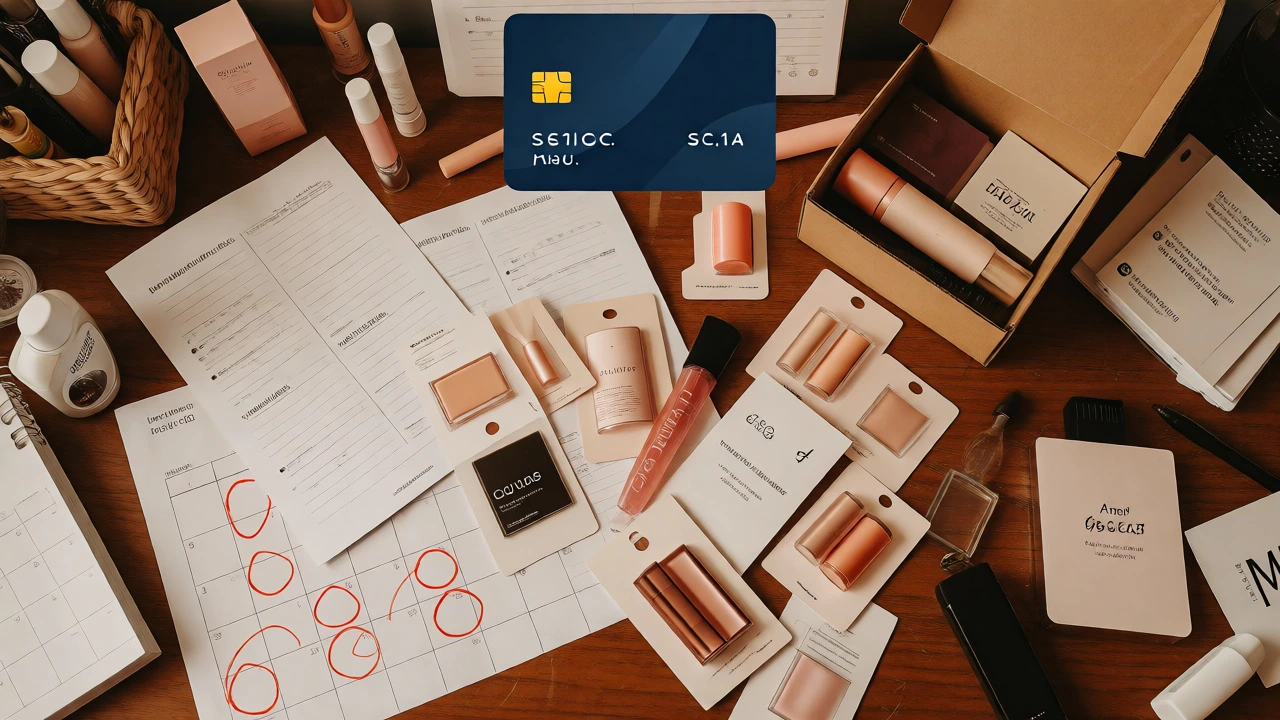
- Set Calendar Reminders: Don’t wait until the charge hits. Set a reminder 7-10 days before the renewal date. This gives you a buffer to navigate their system.
- Use Virtual Credit Cards: Services like Revolut or Monzo allow you to freeze cards instantly. If a brand tries to charge you after you’ve requested cancellation, simply unfreeze later or dispute the charge easily.
- Document Everything: Take screenshots of your cancellation request confirmation. If they claim you missed the deadline, you have proof.
- Leverage Social Media: Sometimes, a public tweet tagging the brand gets faster results than a support ticket. Brands hate negative PR regarding "hard-to-cancel" policies.
Remember, you are the customer. You hold the power. Don’t let a confusing UI guilt-trip you into paying for products you don’t use.
Is it legal for companies to make cancellation difficult?
It depends on the jurisdiction, but generally, yes, as long as the terms were disclosed upfront. However, new regulations in the UK and US are pushing for "easy cancellation" standards, meaning overly complex processes may soon be deemed unfair commercial practices.
Can I dispute a charge if I couldn't cancel in time?
You can try, but success varies. Banks often side with merchants if the terms state a clear cancellation deadline. However, if the website was broken or misleading, you have a stronger case for a chargeback based on poor service.
Do beauty subscription boxes offer pauses instead of cancellations?
Many do, such as Ipsy and BoxyCharm, but pausing often comes with restrictions. For example, you might only be allowed one pause per year, or pausing might forfeit loyalty points. Read the fine print carefully.
Why do I keep getting charged after cancelling?
This usually happens because the cancellation request wasn't processed before the billing cycle closed. Some systems batch-process payments weekly. Always confirm receipt of your cancellation request via email.
Are there beauty boxes with no commitment?
Yes, some brands offer single-purchase boxes or flexible plans where you buy individual months. These are slightly more expensive per box but eliminate the risk of forgotten subscriptions.