
Find Your Dermatologist-Recommended Skincare Brand
Answer 3 simple questions to discover which dermatologist-favored brand aligns with your unique skin profile and preferences.
What is your primary skin concern?
How important are natural/organic ingredients to you?
What's your budget range?
You walk into a pharmacy or scroll through an endless feed of beauty influencers, and you see it everywhere: "Dermatologist Recommended." It’s slapped on everything from $20 moisturizers to $80 serums. But if every brand claims this title, what does it actually mean? More importantly, is there really one single dermatologist recommended brand that stands above the rest?
The short answer is no. There is no official, government-sanctioned list ranking skincare brands by doctor preference. However, in the professional medical community, a few names consistently rise to the top. These aren't necessarily the most luxurious or the trendiest. They are the ones doctors trust to treat sensitive skin, manage chronic conditions like eczema and acne, and support the skin barrier without causing flare-ups.
If you are looking for the gold standard in clinical skincare, you need to look past the marketing hype and understand what dermatologists actually prioritize: safety, efficacy, and simplicity. Let's break down who makes the cut and why, especially if you are leaning toward cleaner, more natural formulations.
The Heavyweights: Who Actually Gets the Nod?
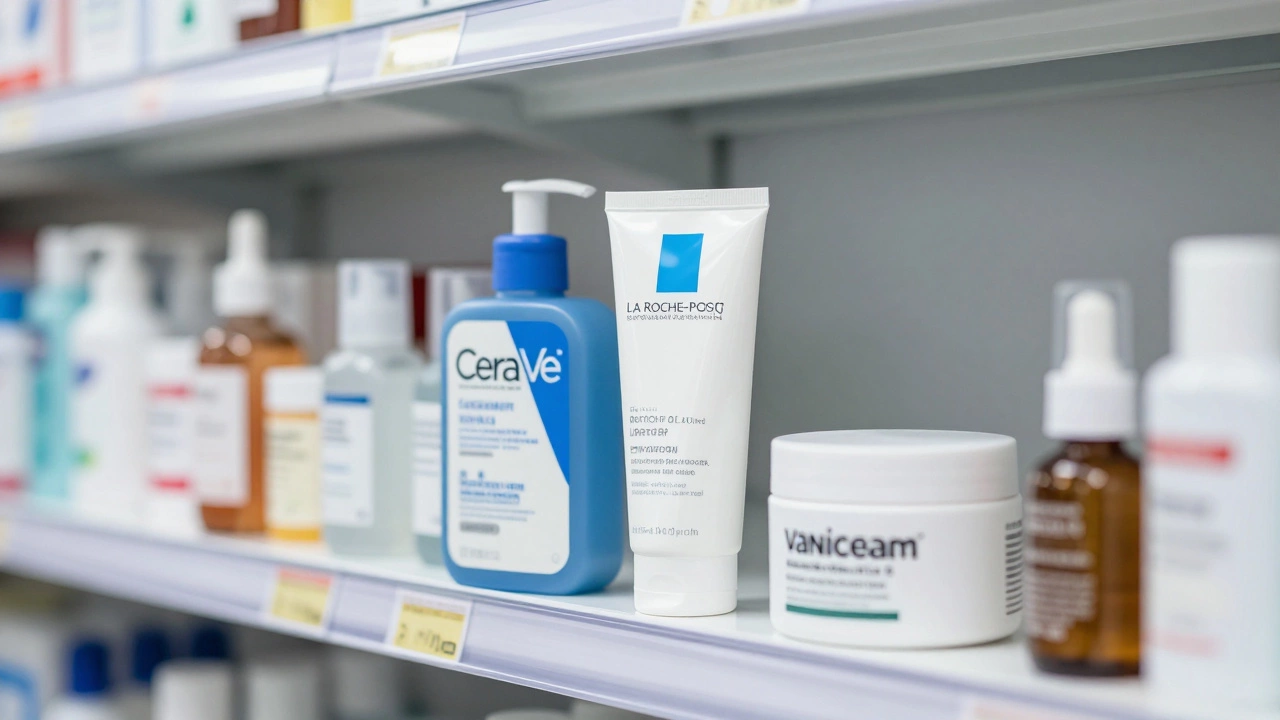
When you ask ten different board-certified dermatologists which brand they use at home or recommend to patients, the answers usually cluster around three major players: CeraVe, a drugstore staple known for its ceramide-rich formulas that repair the skin barrier. La Roche-Posay, a French pharmacy brand famous for its thermal spring water and gentle, non-irritating ingredients. And increasingly, Vanicream, a minimalist brand designed specifically for people with extremely sensitive skin and allergies.
Why these three? They share a common philosophy. They don't rely on heavy fragrances, essential oils, or trendy botanical extracts that often cause contact dermatitis. Instead, they focus on scientifically backed ingredients like hyaluronic acid, niacinamide, and ceramides. For a dermatologist, a "recommended" brand is one that minimizes risk while maximizing results. If a product has a high chance of irritating your skin, it doesn't matter how "natural" it is-it’s not recommended.
However, if your definition of "recommended" leans heavily into the organic skincare, products made with naturally derived ingredients and free from synthetic chemicals space, the conversation shifts slightly. While big clinical brands dominate general recommendations, certain clean-beauty lines have earned respect in the medical community for bridging the gap between safety and efficacy.
The "Organic" Misconception in Medical Skincare
Here is where things get tricky. Many consumers assume that "organic" automatically equals "safe" or "better." Dermatologists often push back on this idea. An ingredient can be 100% organic and still be highly allergenic. Think about poison ivy-it’s organic, but you wouldn’t want it on your face. Essential oils, a staple in many organic skincare lines, are complex mixtures of hundreds of compounds that frequently trigger reactions in sensitive skin.
So, when we talk about dermatologist-approved organic options, we are looking for brands that:
- Avoid controversial synthetics (like parabens and sulfates) without sacrificing preservation.
- Use plant-derived actives that have clinical data supporting their benefits.
- Maintain strict purity standards to prevent contamination.
In this niche, brands like Tata Harper, a luxury clean beauty brand that formulates potent, bio-active skincare using farm-to-face ingredients and Drunk Elephant, a brand known for its "Suspicious 6" policy, avoiding ingredients that may irritate skin often come up. But even here, the recommendation comes with caveats. Doctors might suggest Tata Harper for someone who wants high-performance natural ingredients, but they would likely warn against using their highly concentrated exfoliants daily if you have rosacea.
Decoding the "Recommended" Label
It is crucial to understand how a brand earns the label "Dermatologist Recommended." In many cases, this is a marketing term rather than a medical endorsement. A company can pay for a study where a small group of dermatologists tests their product under controlled conditions. If the product doesn’t cause immediate irritation in that specific test, the brand can claim it is "tested by dermatologists" or "recommended by dermatologists."
This is different from a brand being part of a dermatologist’s actual treatment protocol. For example, if you have severe acne, a dermatologist might prescribe topical retinoids. To support that treatment, they might recommend a gentle cleanser from CeraVe or Vanicream because those brands are unlikely to interfere with the prescription or cause additional inflammation. This is the real-world definition of a recommendation: reliability.
| Brand | Key Strength | Best For | Price Point | Organic/Natural Focus? |
|---|---|---|---|---|
| CeraVe | Ceramides & MVE Technology | Dry, sensitive, eczema-prone skin | Affordable ($10-$25) | No (Synthetic-focused) |
| La Roche-Posay | Thermal Water & Prebiotics | Sensitive, reactive, post-procedure skin | Moderate ($15-$40) | Partial (Clean-leaning) |
| Vanicream | Fragrance-free & Allergen-free | Extreme sensitivity, allergies | Affordable ($8-$20) | No (Minimalist) |
| Tata Harper | Bio-active Botanicals | Those seeking luxury clean beauty | Luxury ($50-$100+) | Yes (Certified Natural) |
| Paula's Choice | Salicylic Acid & Retinol | Acne, aging, texture issues | Moderate ($20-$50) | Partial (Science-backed) |
Ingredients Over Brand Names
Rather than fixating on a single "#1" brand, smart shoppers-and dermatologists-focus on ingredients. The best skincare routine is built on a foundation of effective components tailored to your specific skin concerns. Here are the key ingredients that appear in almost every dermatologist-recommended regimen, regardless of the brand:
- Ceramides: These are lipids that help hold your skin cells together, forming a protective barrier. If you have dryness or sensitivity, look for products containing ceramides 1, 3, and 6-II. Brands like CeraVe build their entire identity around this ingredient.
- Niacinamide (Vitamin B3): A multi-tasking powerhouse that reduces redness, regulates oil production, and improves skin elasticity. It is found in nearly all well-formulated serums and moisturizers.
- Hyaluronic Acid: A humectant that draws moisture into the skin. It is lightweight and suitable for almost all skin types, including oily and acne-prone skin.
- Salicylic Acid: A beta-hydroxy acid (BHA) that penetrates pores to dissolve oil and dead skin cells. It is the go-to recommendation for acne and blackheads.
- Retinoids: Derivatives of Vitamin A that speed up cell turnover. They are the gold standard for anti-aging and acne treatment, though they require careful introduction to avoid irritation.
If you prefer organic skincare, look for plant-based alternatives to some of these synthetics. For instance, rosehip oil is rich in natural retinoic acid precursors, and green tea extract offers powerful antioxidant protection similar to vitamin C serums. However, always check the concentration and stability of these natural actives.
How to Choose the Right Brand for You
Selecting a skincare brand isn't about finding the most popular one; it’s about matching the formulation to your skin type and concerns. Here is a simple decision tree to help you navigate the aisles:
- If you have Eczema or Psoriasis: Stick to Vanicream or CeraVe. Avoid organic brands with essential oils, as they can trigger flare-ups. Your priority is barrier repair, not botanical luxury.
- If you have Acne: Look for brands like Paula's Choice or La Roche-Posay Effaclar line. These offer proven concentrations of salicylic acid and benzoyl peroxide. Organic acne treatments often lack the potency needed to clear persistent breakouts.
- If you have Sensitive Skin but Want Clean Beauty: Try brands like Krave Beauty or Youth to the People. They avoid harsh synthetics but also skip risky essential oils. Focus on soothing ingredients like centella asiatica and oat extract.
- If you are Fighting Aging: Invest in a reliable retinol source. While some organic brands offer bakuchiol (a plant-based retinol alternative), clinical studies show that traditional retinoids remain superior for collagen production. Pair this with a strong sunscreen from any reputable brand.
The Role of Sunscreen in Every Recommendation
No discussion of dermatologist-recommended skincare is complete without mentioning sunscreen. In fact, if you buy only one product from any brand, make it a broad-spectrum SPF 30 or higher. Dermatologists universally agree that UV damage is the primary cause of premature aging and skin cancer.
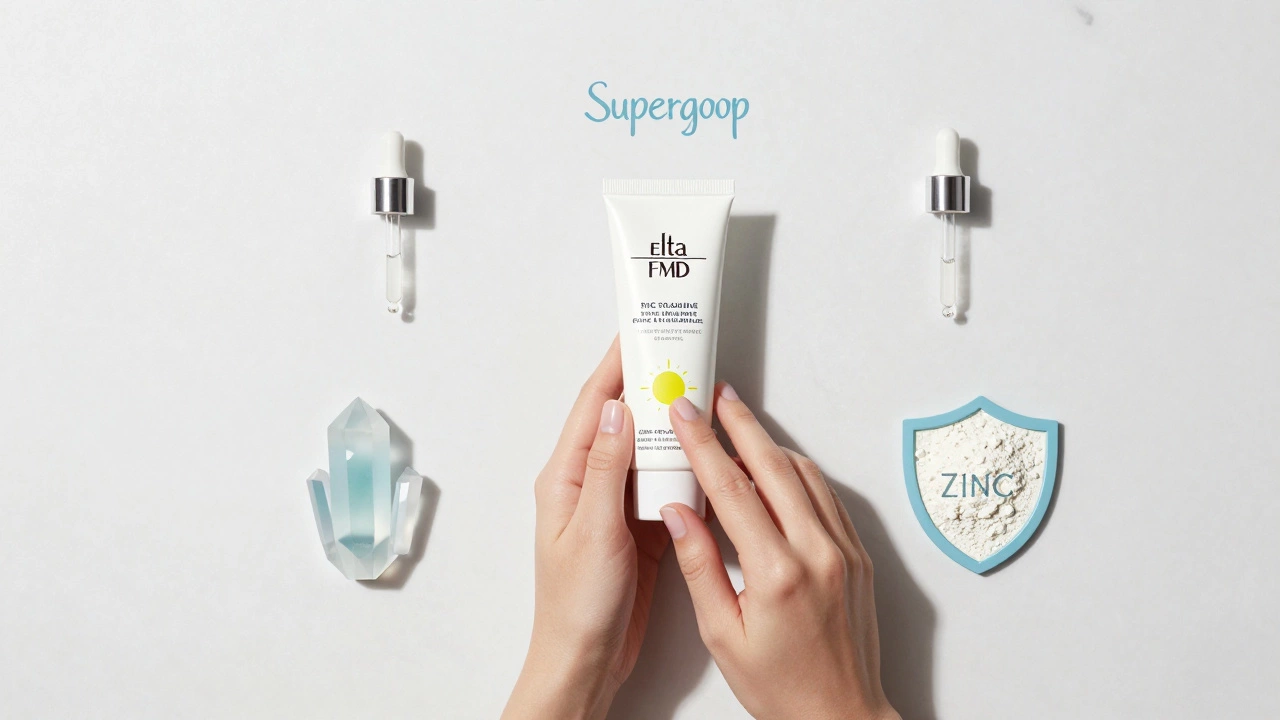
Many organic skincare enthusiasts struggle with sunscreens because chemical filters are sometimes viewed with suspicion, and mineral filters (zinc oxide, titanium dioxide) can leave a white cast. However, modern formulations have improved significantly. Brands like EltaMD and Supergoop! offer lightweight, cosmetically elegant options that are widely recommended by doctors. If you are committed to organic/mineral-only, look for zinc oxide sunscreens that are nano-free to ensure they sit on top of the skin rather than absorbing into it.
Red Flags to Watch Out For
As you explore brands, keep an eye out for these warning signs that a product might not be truly "dermatologist friendly":
- Fragrance: Listed as "fragrance" or "parfum," or via essential oils like lavender, citrus, or peppermint. Fragrance is the number one cause of allergic contact dermatitis in cosmetics.
- Alcohol Denat: Also known as denatured alcohol. It can strip the skin barrier and cause dryness and irritation, especially in sensitive skin types.
- Complex Botanical Blends: If the ingredient list looks like a salad recipe with dozens of plant extracts, it increases the risk of an adverse reaction. Simplicity is often safer.
- "Hypoallergenic" Claims Without Backing: This term is largely unregulated. Just because a brand says it is hypoallergenic doesn't mean it won't irritate your skin. Patch testing is always necessary.
Final Thoughts: Trust Science, Not Hype
There is no single #1 dermatologist recommended brand because skin is highly individual. What works wonders for your friend might cause a breakout for you. However, the brands that consistently earn respect in the medical field are those that prioritize transparency, scientific validation, and gentle formulations.
If you are drawn to organic skincare, you can absolutely find dermatologist-friendly options. Just remember to scrutinize the ingredient list. Look for brands that combine the best of nature with the rigor of science. Avoid the temptation of overly complex natural blends, and stick to proven actives. Whether you choose a drugstore giant like CeraVe or a clean-beauty specialist like Tata Harper, the key is consistency and knowing your skin’s unique needs.
Is CeraVe really the #1 dermatologist recommended brand?
While there is no official ranking, CeraVe is frequently cited as a top choice due to its affordable price point and inclusion of ceramides, which are essential for skin barrier health. It is particularly recommended for dry, sensitive, and eczema-prone skin.
Are organic skincare brands safe for sensitive skin?
Not necessarily. Many organic brands use essential oils and botanical extracts that can be highly irritating to sensitive skin. If you have sensitive skin, look for "clean" brands that explicitly avoid fragrance and essential oils, such as Vanicream or specific lines from La Roche-Posay.
What does "Dermatologist Tested" actually mean?
It means the product was tested on human subjects under the supervision of a dermatologist to ensure it does not cause adverse reactions. It does not guarantee that the product will treat any specific condition or that every dermatologist endorses it.
Can I mix organic and clinical skincare products?
Yes, many people do. For example, you might use a gentle organic cleanser and a clinical retinol serum. The key is to introduce new products slowly and monitor your skin for any signs of irritation or purging.
Why do dermatologists dislike fragrance in skincare?
Fragrance is a leading cause of allergic contact dermatitis. Even natural fragrances from essential oils contain volatile compounds that can penetrate the skin barrier and trigger immune responses, leading to redness, itching, and inflammation.