
Hair Health Score Calculator
You have probably walked down the shampoo aisle feeling overwhelmed. There are shampoos promising volume, serums claiming to stop breakage, and oils that swear they will make your hair shine like silk. But if you spend hours researching products while ignoring what is happening inside your body, you are likely wasting your money. The truth is, there is no single "magic bullet" product that fixes damaged hair. Instead, the healthiest thing for your hair is a combination of internal nutrition and gentle external handling.
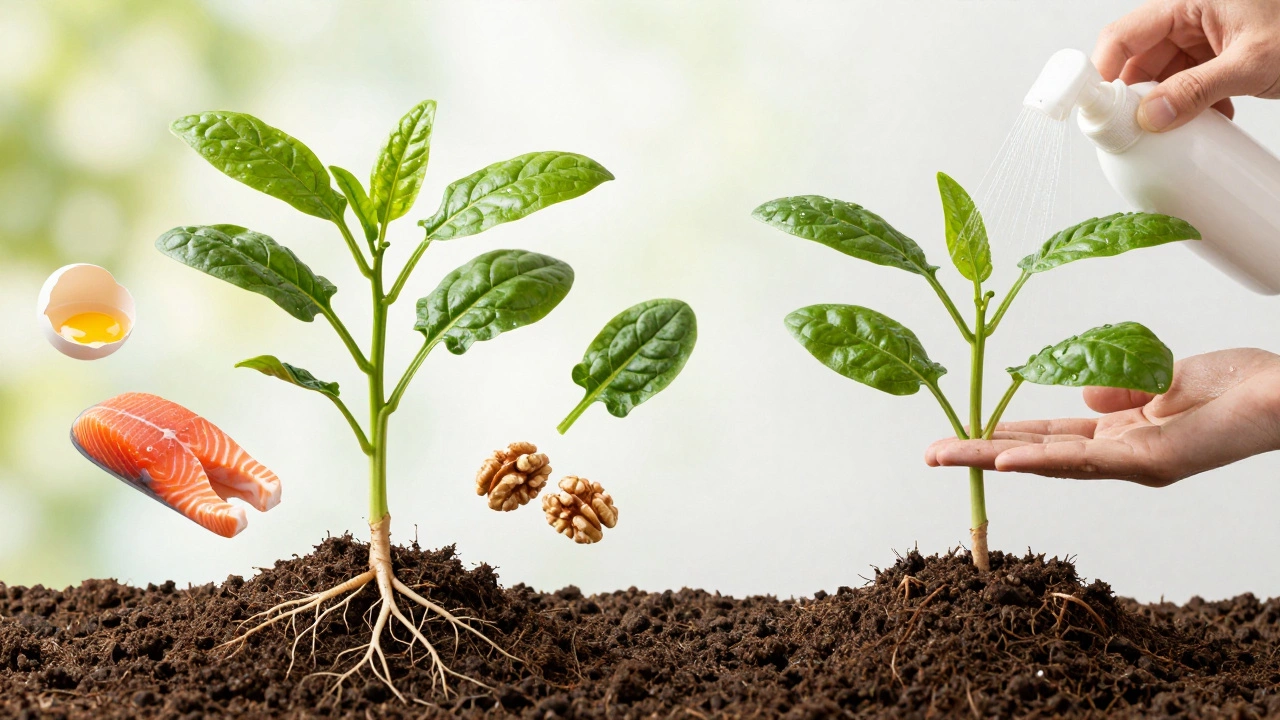
Hair is mostly made of a protein called keratin. It grows from follicles deep in your scalp, which are fed by blood vessels. If those follicles do not get the right nutrients, or if the hair shaft is physically abused, no expensive conditioner can fully repair it. Think of your hair like a plant. You can polish the leaves all day, but if the roots are starving or the soil is toxic, the plant will still wither. To get truly healthy hair, we need to look at both the roots (nutrition) and the leaves (care).
The Foundation: What You Eat Matters Most
Before we talk about bottles and jars, let’s talk about food. Your hair is one of the least vital tissues in your body. When you are stressed or lacking nutrients, your body sends resources to your heart, brain, and lungs first. Hair gets left behind. This is why poor diet often shows up as thinning or brittle hair long before it affects other parts of your health.
Protein is the building block of hair. Since hair is made of keratin, you need enough dietary protein to build new strands. If you are not eating enough protein, your hair cycle may shift into a resting phase, leading to shedding. Good sources include eggs, lean meats, fish, beans, and lentils. Aim for a source of protein at every meal.
Beyond protein, specific vitamins play crucial roles:
- Iron: Iron helps red blood cells carry oxygen to your cells, including your hair follicles. Low iron is a common cause of hair loss, especially in women. Spinach, red meat, and fortified cereals are good sources.
- Vitamin D: Research suggests a link between low vitamin D levels and alopecia (hair loss). Sunlight is the best source, but fatty fish and fortified milk help too.
- Omega-3 Fatty Acids: These fats keep your scalp hydrated and reduce inflammation. If your scalp is dry and flaky, adding salmon, walnuts, or chia seeds to your diet can help.
- Biotin: While popular in supplements, biotin deficiency is actually rare. Getting it from whole foods like eggs, almonds, and sweet potatoes is safer and more effective than high-dose pills unless a doctor tells you otherwise.
Hydration is also key. Dehydrated hair looks dull and breaks easily. Drink plenty of water throughout the day. It sounds simple, but many people underestimate how much fluid intake affects skin and hair elasticity.
Scalp Health: The Soil for Growth
Your scalp is skin, just like the rest of your body. If you have dandruff, psoriasis, or an oily buildup, it can clog follicles and stunt growth. A clean, balanced scalp environment is essential for healthy hair.
Salicylic Acid is an ingredient that exfoliates the scalp. If you struggle with buildup, look for shampoos containing salicylic acid or sulfur. They help remove dead skin cells and excess oil without stripping the hair completely. However, do not over-wash. Washing too frequently can strip natural oils, leading your scalp to produce even more oil in response. For most people, washing two to three times a week is sufficient.
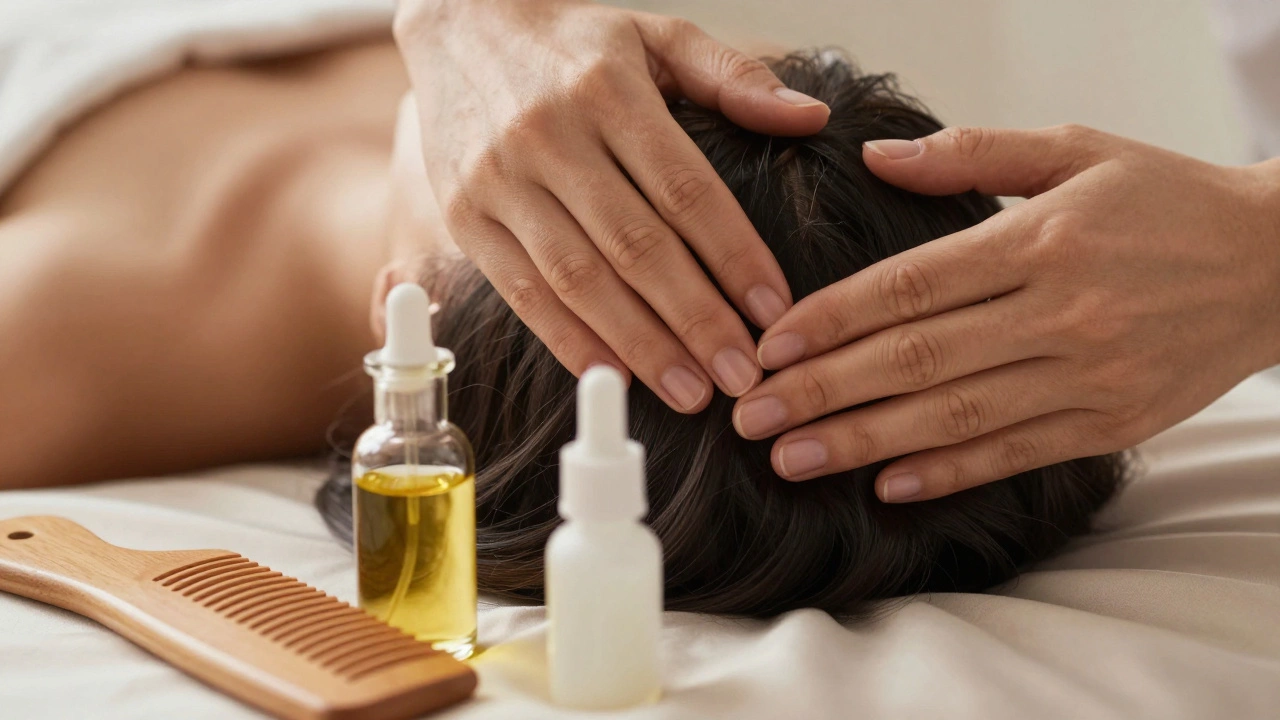
Massaging your scalp can also boost blood flow. You do not need fancy tools; just use your fingertips (not nails) to gently rub your scalp for a few minutes before washing. This increases circulation, bringing more nutrients to the follicles. It is a free, easy habit that makes a real difference over time.
Gentle Handling: Protecting the Hair Shaft
Once hair grows out of your head, it is dead tissue. You cannot change its structure with products, but you can protect it from damage. Mechanical stress is one of the biggest enemies of healthy hair.
Avoid tight hairstyles like ponytails, braids, or buns that pull on the roots. This tension can lead to traction alopecia, a type of hair loss caused by constant pulling. Give your hair a break from elastic bands by using soft scrunchies or clips instead.
Heat styling is another major culprit. Flat irons, curling wands, and blow dryers can weaken the protein bonds in your hair, causing frizz and breakage. If you must use heat, always apply a heat protectant spray first. Lower the temperature setting whenever possible. Ideally, let your hair air-dry partially before using a blow dryer on a cool or low-heat setting.
When brushing wet hair, be extremely careful. Wet hair is more elastic and prone to snapping. Use a wide-tooth comb starting from the ends and working your way up to the roots. This detangles gently without yanking.
| Myth | Fact |
|---|---|
| Cutting hair makes it grow faster. | Cutting removes split ends, making hair look healthier, but it does not affect growth rate from the root. |
| Shampooing daily cleanses better. | Over-washing strips natural oils, leading to dryness and potential irritation. Wash based on your scalp type. |
| Rinsing with cold water seals cuticles. | While cold water can smooth the cuticle slightly, lukewarm water is better for cleaning. Extreme cold can shock the scalp. |
| Supplements fix hair loss. | Supplements only help if you have a specific deficiency. For most people, a balanced diet is enough. |
Nutrients That Repair and Shine
While internal health drives growth, topical treatments can improve appearance and manageability. The goal is to moisturize and seal the hair cuticle.
Argan Oil is a nourishing oil rich in vitamin E and fatty acids. It is lightweight and absorbs well, making it great for taming frizz and adding shine without weighing hair down. Apply a small amount to damp or dry ends.
Coconut Oil is one of the few oils that can penetrate the hair shaft. Studies show it reduces protein loss in both damaged and undamaged hair. Use it as a pre-shampoo treatment: apply to dry hair, leave for 30 minutes, then wash out. Note that coconut oil can be heavy for fine hair, so use sparingly.
Conditioners should focus on the mid-lengths and ends, where hair is oldest and most damaged. Avoid applying heavy conditioners directly to the scalp, as this can cause buildup and greasiness. Look for ingredients like glycerin, panthenol (vitamin B5), and hydrolyzed proteins, which help retain moisture and strengthen the hair shaft.
Lifestyle Factors You Cannot Ignore
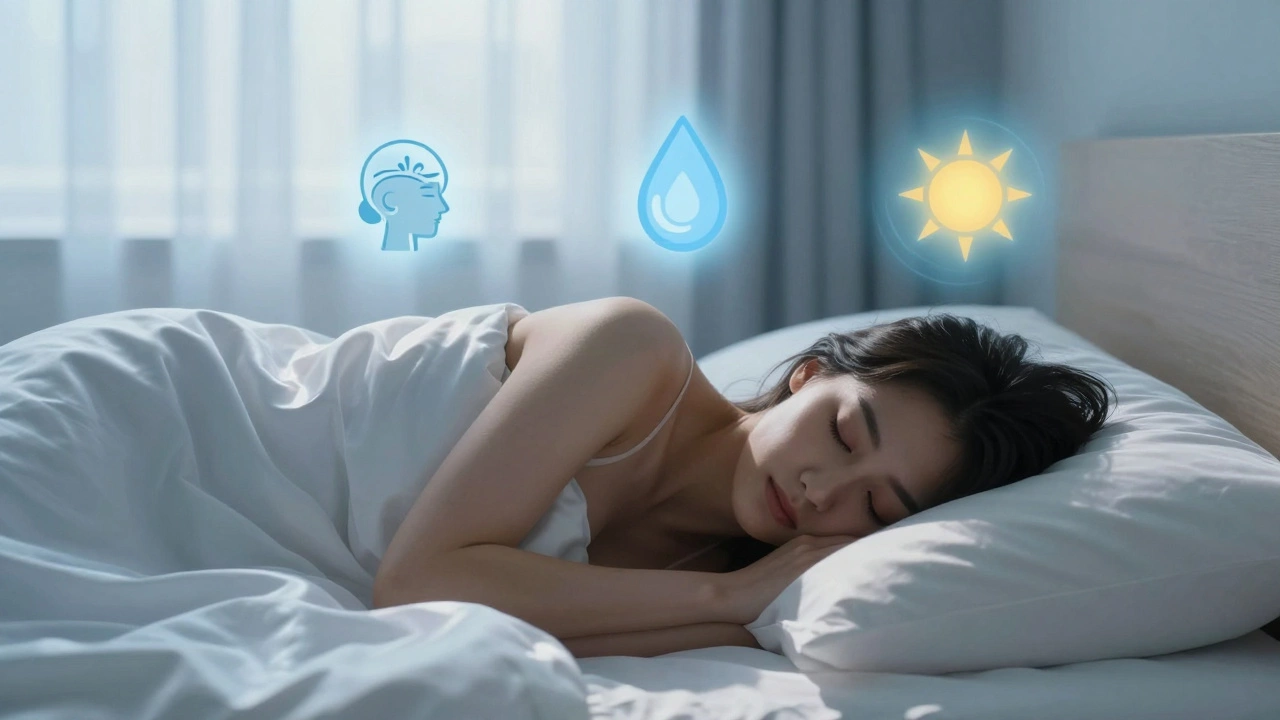
Your daily habits impact your hair health more than you might think. Stress triggers cortisol release, which can disrupt the hair growth cycle and lead to temporary shedding known as telogen effluvium. Managing stress through exercise, sleep, or mindfulness practices supports overall hormonal balance, which benefits your hair.
Sleep position matters too. Sleeping on cotton pillowcases can create friction, leading to breakage and bedhead. Switching to a silk or satin pillowcase reduces friction and helps retain moisture in your hair overnight. It is a small change with noticeable results.
Environmental factors like sun exposure and chlorinated pool water can also damage hair. UV rays can fade color and weaken proteins. Wear a hat on sunny days or use hair products with UV filters. After swimming, rinse your hair immediately with fresh water to remove chlorine or salt.
When to See a Professional
If you are experiencing sudden, patchy hair loss, severe scalp itching, or persistent shedding despite good nutrition and care, it is time to see a dermatologist. These symptoms could indicate underlying medical conditions like thyroid disorders, autoimmune diseases, or fungal infections. Self-treatment may delay proper diagnosis and treatment.
A professional can perform blood tests to check for deficiencies or hormonal imbalances. They may recommend treatments like minoxidil, finasteride, or platelet-rich plasma (PRP) therapy, depending on the cause. Do not hesitate to seek medical advice if home remedies do not work within a few months.
What is the number one nutrient for hair growth?
Protein is the most critical nutrient because hair is primarily made of keratin, a type of protein. Without adequate protein intake, hair follicles cannot produce strong, healthy strands efficiently.
Does drinking water really help hair health?
Yes. Dehydration makes hair brittle and prone to breakage. Proper hydration supports overall cell function, including the cells in your hair follicles, helping maintain elasticity and shine.
How often should I wash my hair for optimal health?
It depends on your hair type and scalp oiliness. Generally, washing 2-3 times a week is sufficient for most people. Over-washing can strip natural oils, while under-washing can lead to buildup. Listen to your scalp's needs.
Can stress cause permanent hair loss?
Stress usually causes temporary hair shedding (telogen effluvium) that resolves once stress levels decrease. However, chronic stress can exacerbate genetic hair loss or trigger conditions like alopecia areata in some individuals.
Is coconut oil good for all hair types?
Coconut oil is excellent for thick, curly, or damaged hair due to its ability to penetrate the shaft. However, it can be too heavy for fine or straight hair, potentially making it look greasy. Use sparingly or opt for lighter oils like argan or jojoba if you have fine hair.