
Facial Risk & Cost Analyzer
Moderate Risk
Based on your profile$600
Estimated Annual Investment
| Per Session: | $150 |
| Frequency: | 4 times/year |
| At-Home Alternative: | $160 |
| Potential Savings: | $440 |
Everyone wants that glowing, fresh-faced look after a spa day. Social media is flooded with influencers showing off dewy skin post-treatment, making facials seem like the ultimate hack for perfect complexion. But here is the truth no one posts about: facials are not risk-free. They involve physical manipulation, chemical exfoliants, and heat, all of which can go wrong if your skin isn't ready or if the technique is poor.
You might be wondering why your skin broke out after a relaxing hour in the chair. Or perhaps you’re hesitant to book an appointment because of the price tag. Understanding the disadvantages of facial treatments helps you make smarter choices for your skin health. It’s not just about relaxation; it’s about biology, budget, and realistic expectations.
Skin Irritation and Allergic Reactions
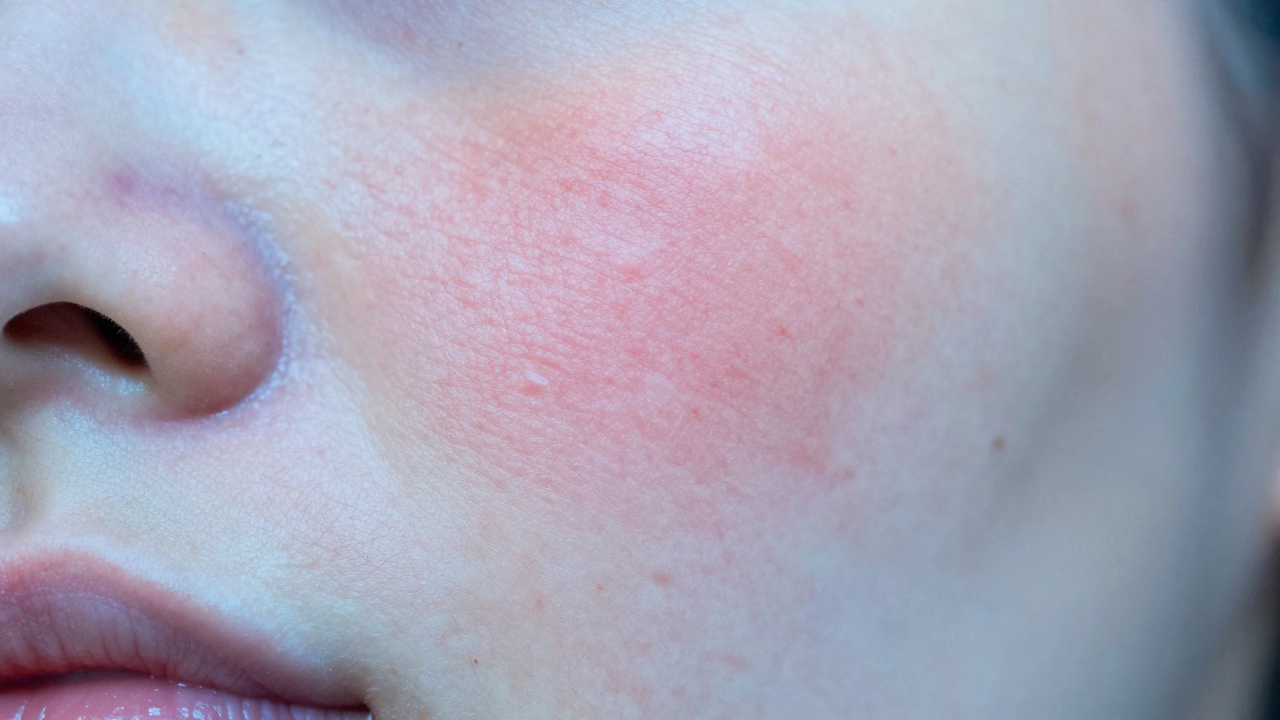
The most immediate downside to any facial is the potential for irritation. Your skin barrier is designed to keep bad stuff out and good stuff in. When a esthetician applies strong acids, retinoids, or even natural enzymes, they are intentionally disrupting this barrier to encourage cell turnover. For some people, this disruption goes too far.
Common culprits include fragrances, preservatives, and active ingredients like glycolic acid or salicylic acid. Even "natural" facials using essential oils can trigger severe reactions. Citrus oils, for example, are phototoxic and can cause blistering if you go into the sun afterward. If you have sensitive skin or conditions like rosacea, the heat and pressure from a standard facial massage can trigger a flare-up, leaving your face red and inflamed for days rather than glowing.
To mitigate this, always request a patch test 24 hours before a full facial. Ask the esthetician to list every ingredient they plan to use. If you see terms like "parfum" or "fragrance," ask what specific compounds are included. Knowledge is your best defense against unexpected rashes.
The Risk of Breakouts and Purging
It sounds counterintuitive, but a facial can sometimes make acne worse. This happens for two main reasons: purging and infection.
Purging occurs when active ingredients accelerate the life cycle of your skin cells. Deep-seated clogs rise to the surface faster than usual, resulting in a temporary spike in breakouts. While this is technically a sign the treatment is working, it looks terrible and feels frustrating. You paid to clear your skin, and instead, you got more pimples.
Infection is a more serious concern. If tools like comedone extractors are not properly sterilized, or if gloves are changed between clients, bacteria can be introduced into open pores. Staphylococcus aureus, a common skin bacterium, can turn a simple blackhead extraction into a painful, infected cyst. Always observe hygiene practices. Does the esthetician use single-use gloves? Are metal tools dipped in alcohol or wrapped in sterile paper? If the answer is no, walk away.
Financial Cost and Diminishing Returns
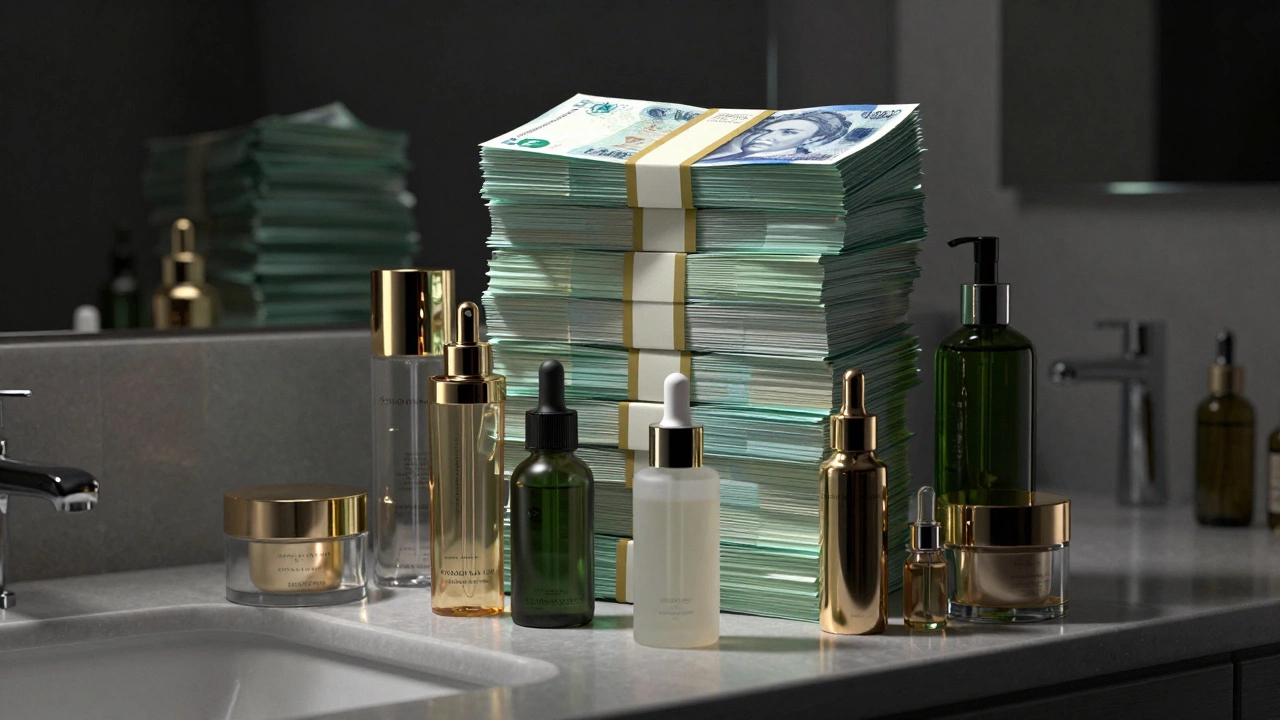
Let’s talk money. A basic facial at a mid-range salon can cost anywhere from $75 to $150. Medical-grade facials with lasers or microneedling can exceed $300 per session. Unlike buying a bottle of cleanser that lasts three months, facials are recurring expenses. To maintain results, professionals recommend treatments every four to six weeks. That adds up quickly.
| Service/Product | Average Cost | Frequency | Annual Estimate |
|---|---|---|---|
| Basic Salon Facial | $90 | Monthly (12x) | $1,080 |
| Medical Chemical Peel | $250 | Quarterly (4x) | $1,000 |
| At-Home Retinol Serum | $40 | Every 3 months (4x) | $160 |
| At-Home Exfoliating Acid | $25 | Every 2 months (6x) | $150 |
Ask yourself if the results justify the investment. Many over-the-counter products contain the same active ingredients found in salon treatments, just at lower concentrations. A consistent at-home routine with vitamin C, retinol, and sunscreen often yields better long-term results than sporadic expensive facials. The "diminishing returns" set in when you realize that paying $100 for 30 minutes of massage doesn’t change your genetic predisposition to aging or acne.
Time Consumption and Downtime
A facial is not a quick fix. The appointment itself usually takes 60 to 90 minutes. Add in travel time, parking, and waiting, and you’ve lost half a day. For busy professionals or parents, finding this block of uninterrupted time is difficult.
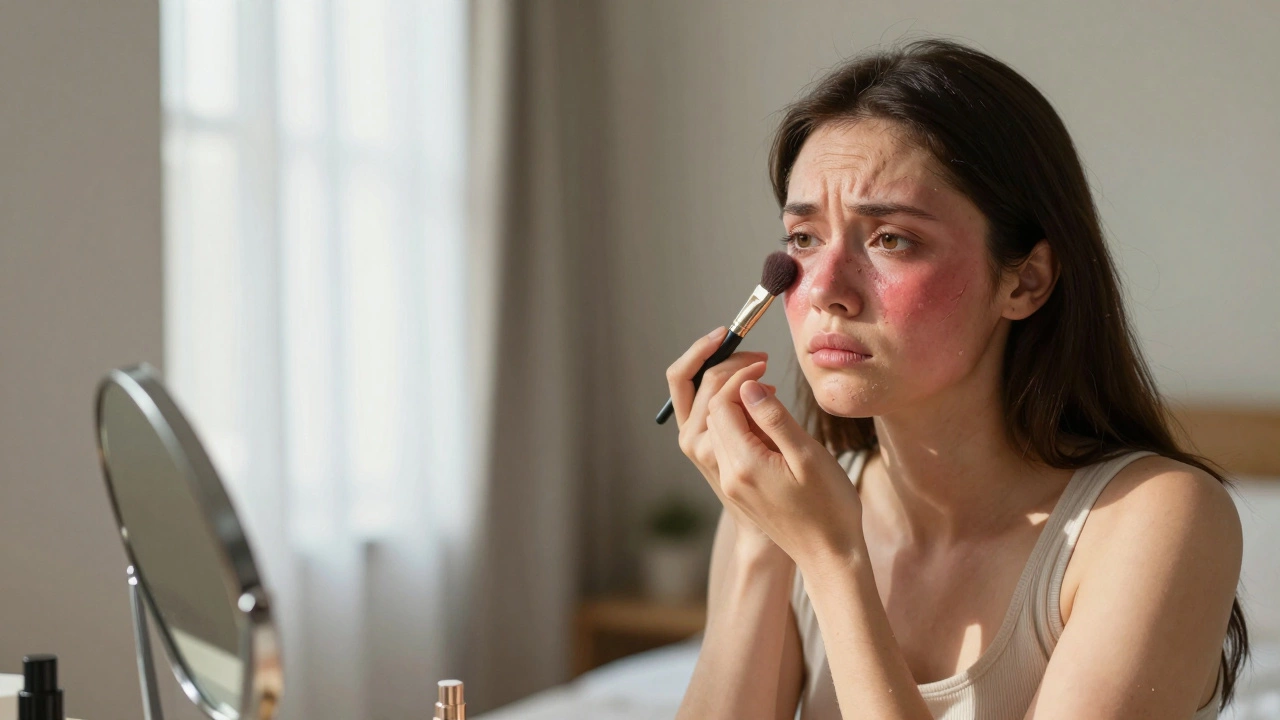
Then there is the downtime. After aggressive treatments like microdermabrasion, deep peels, or laser facials, your skin may peel, flake, or remain red for several days. You might need to avoid makeup, strenuous exercise, and direct sunlight during this recovery period. Imagine having an important meeting or date the day after a facial, only to look like a sunburned lobster. The social inconvenience is a real disadvantage that many overlook.
Unrealistic Expectations and Temporary Results
Facials provide hydration and exfoliation, which gives your skin an immediate plump, radiant appearance. However, this glow is superficial and temporary. It does not restructure collagen, erase deep wrinkles, or permanently eliminate hyperpigmentation. If you expect a facial to replace surgery or high-tech medical procedures, you will be disappointed.
The placebo effect plays a role here too. The relaxation response lowers cortisol levels, which can temporarily reduce inflammation. This makes your skin look better, but the effect fades once stress returns. Relying on facials for significant anti-aging results is a strategy that fails without a solid foundation of daily skincare habits. You cannot fix years of sun damage with one hour of pampering.
Hygiene and Cross-Contamination Risks
Beyond individual tool sterilization, the environment matters. Shared towels, unclean masks, or dirty bedsheets can harbor fungi and bacteria. Tinea versicolor, a fungal infection, can spread through contaminated linens. Some salons reuse sheet masks or dip brushes into communal jars of product, which introduces bacteria directly into the formulation.
Always ask about their sanitation protocols. Do they use disposable sheets? Are products dispensed from pumps rather than jars? If the esthetician dips fingers into a tub of cream, decline the service. These shortcuts save the business money but put your skin health at risk.
Who Should Avoid Facials?
Certain skin conditions make facials dangerous. If you have active cold sores, herpes simplex virus, or open wounds, the heat and manipulation can spread the virus across your face. Similarly, if you are currently using prescription isotretinoin (Accutane), your skin is extremely fragile and prone to scarring. Most dermatologists advise waiting six months after stopping Accutane before undergoing any facial treatment involving needles or harsh exfoliation.
If you have eczema or psoriasis, the friction from massage can trigger the Koebner phenomenon, where new lesions form along lines of trauma. In these cases, gentle cleansing at home is safer than professional intervention.
Can a facial cause permanent skin damage?
Yes, if performed incorrectly. Over-exfoliation can thin the epidermis, leading to chronic sensitivity. Aggressive extractions can cause scarring or post-inflammatory hyperpigmentation, especially in darker skin tones. Using broken capillaries from excessive suction or pressure is another risk. Choosing a licensed, experienced professional minimizes these dangers significantly.
Why did I break out after my facial?
Breakouts can result from "purging," where active ingredients bring deep clogs to the surface. Alternatively, it could be an allergic reaction to a product used during the treatment, or bacterial contamination from unsterile tools. If the breakout persists beyond two weeks, consult a dermatologist to rule out infection.
Are at-home facials as effective as professional ones?
For maintenance, yes. At-home devices like jade rollers or LED masks offer mild benefits. However, professional facials use higher concentrations of acids and specialized equipment that penetrate deeper. The key difference is intensity and expertise. Professionals can customize treatments based on your current skin state, whereas at-home routines are static.
How often should I get a facial to avoid side effects?
Generally, every four to six weeks is recommended, aligning with the skin's natural renewal cycle. More frequent treatments can compromise the skin barrier, leading to irritation and sensitivity. Listen to your skin; if it feels tight or red after a session, extend the interval between appointments.
Is it safe to get a facial if I have sensitive skin?
It depends on the type of facial. Avoid steam, vigorous massage, and strong acids. Look for hydrating, soothing treatments using ingredients like hyaluronic acid, centella asiatica, or oatmeal. Always communicate your sensitivity to the esthetician beforehand and request a gentle approach.