
Laser Hair Removal Suitability Checker
Recommendation Details:
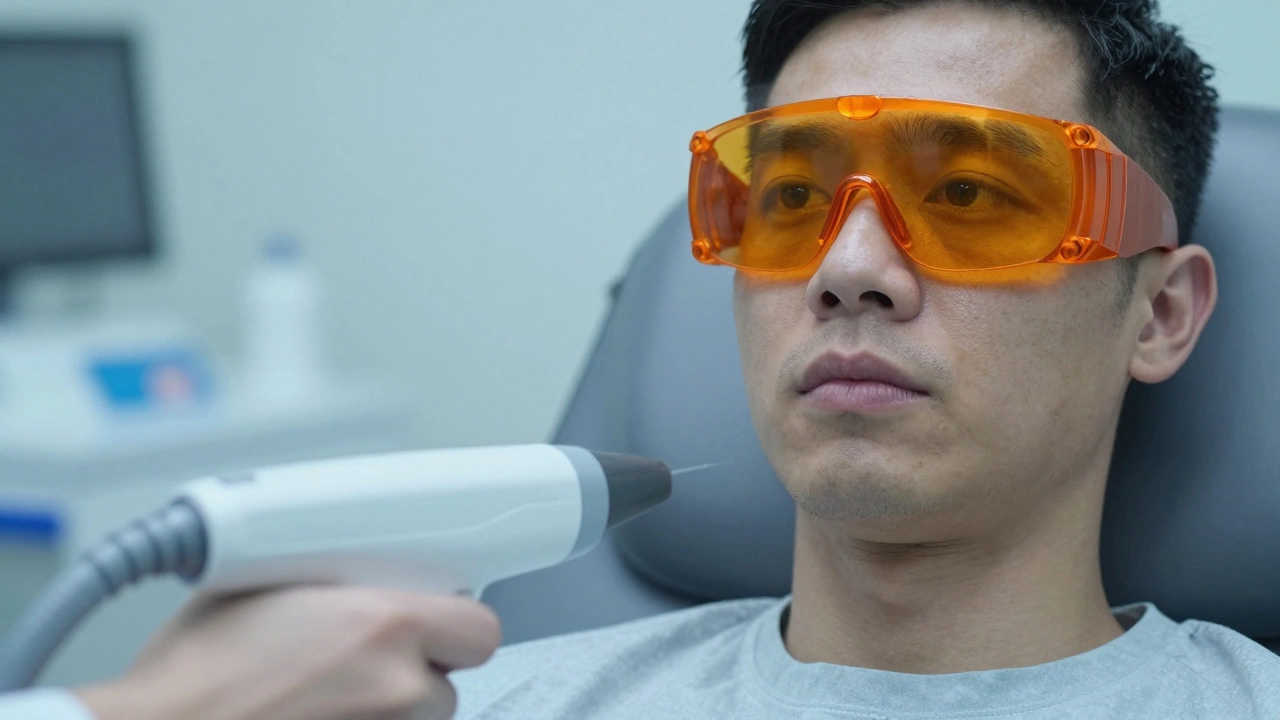
You sit in the clinic chair. The technician hands you protective eyewear that feels like cheap goggles. They ask if you’re ready. You nod. A few seconds later, a sharp snap-like a rubber band against your skin-echoes in the room. You flinch. Then comes the real question, the one nobody talks about while they’re selling you packages: Am I going to regret this?
It’s a valid fear. We spend thousands on procedures that promise freedom from shaving, only to worry about hidden costs, weird side effects, or worse-hair growing back thicker. The truth is, most people don’t regret laser hair removal. In fact, satisfaction rates hover around 90% for those who stick with the full treatment plan. But that 10%? They usually have stories about poor technique, mismatched skin types, or unrealistic expectations.
Let’s cut through the marketing hype. I’m going to break down exactly why some people walk away kicking themselves, how to spot the red flags before you book, and what actually happens to your hair follicles under the beam. This isn’t just about comfort; it’s about making a smart investment in your body.
The "Regret" Triggers: Why People Second-Guess
When clients tell me they regret their laser journey, it rarely stems from the procedure itself being painful. Pain is temporary. Regret usually comes from three specific sources: financial waste, unexpected side effects, or incomplete results.
Financial Waste: Laser hair removal isn’t a one-and-done deal. It requires multiple sessions-usually six to eight spaced four to six weeks apart. If you pay cash upfront for ten sessions but quit after three because of a busy schedule or moving cities, you’ve burned money. Many clinics offer payment plans now, which helps mitigate this risk. Always check the cancellation policy before signing.
Unexpected Side Effects: While rare, complications can happen. Hyperpigmentation (dark spots) is common in darker skin tones if the wrong laser type is used. Burns are possible if the technician doesn’t adjust settings for your skin sensitivity. These aren’t just annoyances; they can take months to fade and sometimes require dermatological treatment. This is where choosing a qualified provider matters more than price.
Incomplete Results: Here’s the biggest myth: laser hair removal is not always permanent. The FDA classifies it as "permanent hair reduction," not removal. Most people see an 80-90% reduction. That means some fine hairs may return, especially in hormone-sensitive areas like the chin or upper lip. If you expect zero hair forever, you might feel cheated when maintenance sessions become necessary.
Is laser hair removal truly permanent?
No, it is classified as permanent hair reduction. Most patients experience 80-90% hair loss, but some fine regrowth may occur over time due to hormonal changes, requiring occasional touch-up sessions.
Who Actually Should Skip Laser Hair Removal?
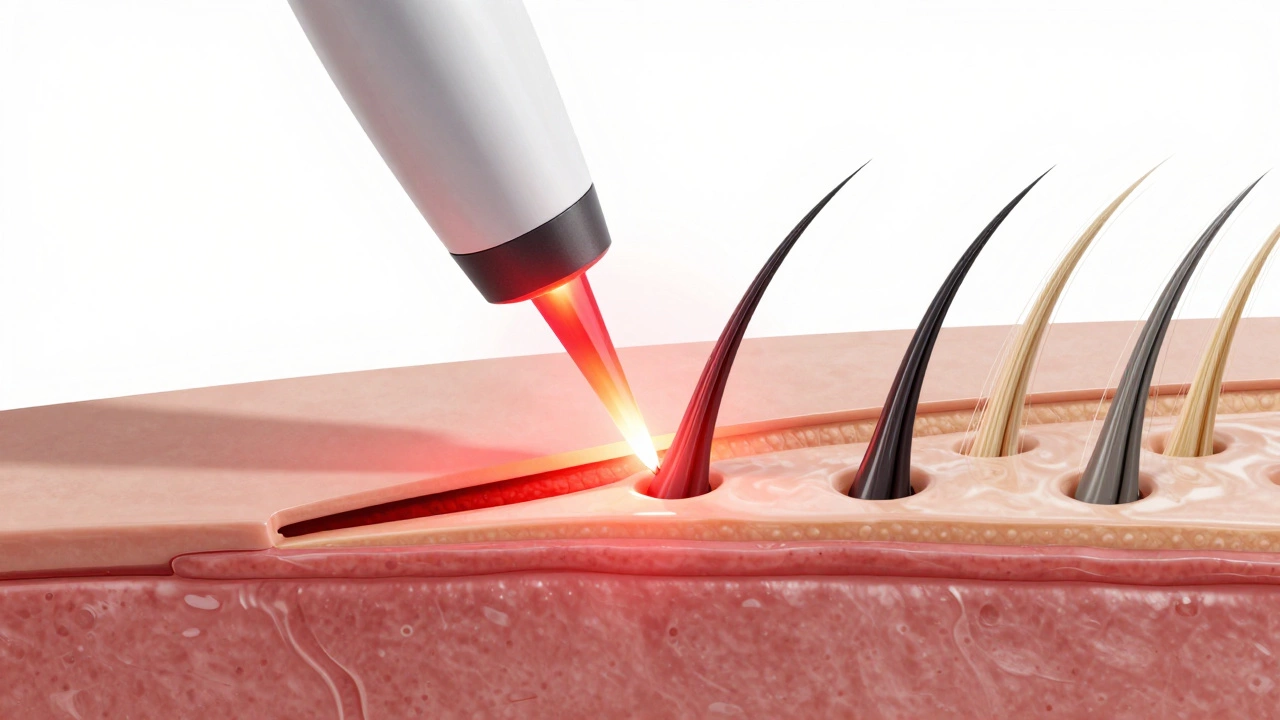
Laser hair removal works by targeting melanin (pigment) in the hair follicle. Light energy converts to heat, damaging the follicle so it can’t grow new hair. This mechanism creates clear boundaries for who benefits and who doesn’t.
If you have very light blonde, grey, white, or red hair, traditional lasers often fail. There simply isn’t enough pigment for the laser to lock onto. Newer technologies like Nd:YAG lasers help with darker skin tones, but they still struggle with non-pigmented hair. Electrolysis is the better option here-it destroys each follicle individually with electric current, regardless of color.
Pregnant or breastfeeding individuals should also wait. Hormonal fluctuations during pregnancy can stimulate hair growth, making treatments ineffective. Plus, there’s limited safety data on laser exposure during pregnancy, so most ethical clinics will refuse service until after weaning.
People taking photosensitizing medications-like certain antibiotics (tetracyclines), acne drugs (isotretinoin/Accutane), or herbal supplements (St. John’s Wort)-risk severe burns. These substances make your skin hypersensitive to light. Always disclose your full medication list to your technician.
| Skin/Hair Type | Best Laser Technology | Risk Level | Expected Outcome |
|---|---|---|---|
| Fair Skin + Dark Hair | Alexandrite (755nm) | Low | Excellent (90%+ reduction) |
| Medium Skin + Dark Hair | Diode (800-810nm) | Low-Medium | Very Good (85%+ reduction) |
| Dark Skin + Dark Hair | Nd:YAG (1064nm) | Medium | Good (75-85% reduction) |
| Any Skin + Blonde/Grey/Red Hair | None (Use Electrolysis) | High (Ineffective) | Poor (<50% reduction) |
The Hidden Costs Beyond the Price Tag
Clinics advertise low prices per session, but the total cost tells a different story. A single leg treatment might be £150, but you need six sessions. That’s £900 minimum. Add in pre-care products (specialized sunscreens, cooling gels) and post-care creams (soothing aloe, antibiotic ointments), and the budget grows.
Time is another factor. Each session takes 15 minutes to two hours depending on the area. You’ll need to shave beforehand (no waxing or plucking for at least four weeks prior). Missing a prep step can ruin the session’s effectiveness. Factor in travel time to the clinic and recovery downtime (redness lasts 24-48 hours).
Insurance almost never covers cosmetic laser hair removal. Even if it’s medically necessary for conditions like pseudofolliculitis barbae (razor bumps), approval is difficult. Check with your provider first, but assume you’re paying out-of-pocket.
How to Avoid Regret: A Pre-Treatment Checklist
Before you book, run through this mental checklist. It separates informed decisions from impulse buys.
- Consultation First: Never book a treatment without a face-to-face consultation. The technician must assess your skin type (Fitzpatrick scale I-VI) and hair color. If they skip this, walk away.
- Ask About the Laser Model: Not all lasers are equal. Look for medical-grade devices like Cynosure Elite, Lumenis LightSheer, or Candela GentleMax. Cheap IPL (Intense Pulsed Light) machines found in salons are less effective and carry higher burn risks.
- Check Technician Credentials: Is the person operating the laser a registered nurse, dermatologist, or certified laser technician? In many regions, unlicensed staff can operate these devices, leading to inconsistent results.
- Review Before/After Photos: Ask to see real patient photos, not stock images. Look for cases similar to your skin tone and hair thickness.
- Understand the Package Terms: Can you pause treatments? What happens if you move? Are touch-ups included?
What Happens After: Managing Expectations
In the days following treatment, your skin may look sunburned. This is normal. Apply cool compresses and avoid hot showers, saunas, and direct sunlight. Sun exposure increases the risk of hyperpigmentation, so wear SPF 50+ daily.
Hair shedding begins 1-3 weeks post-treatment. Don’t panic when you see clumps of hair falling out-that’s a sign it’s working. The damaged follicles push out dead hairs. Continue shaving between sessions, but stop waxing, threading, or plucking. These methods remove the root, which the laser needs to target in future sessions.
Maintenance is key. After your initial package, you may need one session every 6-12 months to manage hormonal regrowth. View this as long-term grooming, not a cure-all. Embrace the reduced density rather than expecting total baldness.

Alternatives When Laser Isn’t Right for You
If laser hair removal doesn’t fit your profile, consider these options:
- Electrolysis: The only FDA-approved method for permanent hair removal. It works on all hair colors and skin types. However, it’s slow (treating one follicle at a time) and expensive for large areas.
- IPL Home Devices: Affordable and convenient, but less powerful than clinical lasers. Best for maintenance or small areas. Requires strict adherence to skin tone guidelines.
- Prescription Creams: Eflornithine (Vaniqa) slows facial hair growth but doesn’t remove it. Useful for managing chin hair in women with hirsutism.
- Traditional Shaving/Waxing: Still viable if done correctly. Use sharp razors, lubricating gels, and exfoliate regularly to prevent ingrown hairs.
Final Thoughts: Making Your Choice
Will you regret laser hair removal? Probably not-if you do your homework. The procedure has matured significantly since its early days. Modern lasers are safer, faster, and more effective. But success depends on matching the technology to your biology and setting realistic goals.
Treat it like any major health decision: research thoroughly, consult professionals, and listen to your body. If you value smooth skin and hate the ritual of shaving, laser hair removal offers genuine freedom. Just remember, it’s a commitment, not a quick fix. Choose wisely, and you’ll likely thank yourself later.
Does laser hair removal hurt?
Most people describe the sensation as a rubber band snapping against the skin. Modern lasers have built-in cooling systems that minimize discomfort. Topical numbing cream can be applied for sensitive areas like the bikini line or underarms.
Can laser hair removal cause cancer?
No. Clinical lasers use non-ionizing radiation, which does not damage DNA or increase cancer risk. Decades of studies show no link between laser hair removal and malignancy.
How long does laser hair removal last?
Results are long-lasting but not always permanent. Most people enjoy 80-90% hair reduction indefinitely. Occasional maintenance sessions may be needed due to hormonal changes or dormant follicles reactivating.
Is laser hair removal safe for dark skin?
Yes, but only with specific lasers like Nd:YAG (1064nm). Older Alexandrite or Diode lasers can burn dark skin by targeting melanin in the epidermis instead of the hair follicle. Ensure your clinic uses appropriate technology for Fitzpatrick skin types IV-VI.
Why did my hair grow back thicker after laser?
Hair doesn’t actually grow back thicker. Damaged hairs may shed unevenly, creating a stubbly texture that feels coarser. Additionally, hormonal imbalances can stimulate new growth. If you notice significant thickening, consult a dermatologist to rule out underlying conditions like PCOS.