
Short Hair Age-Perception Calculator
Not sure if a big chop is right for you? Answer these questions to see how your specific features might react to shorter lengths.
Estimated Impact
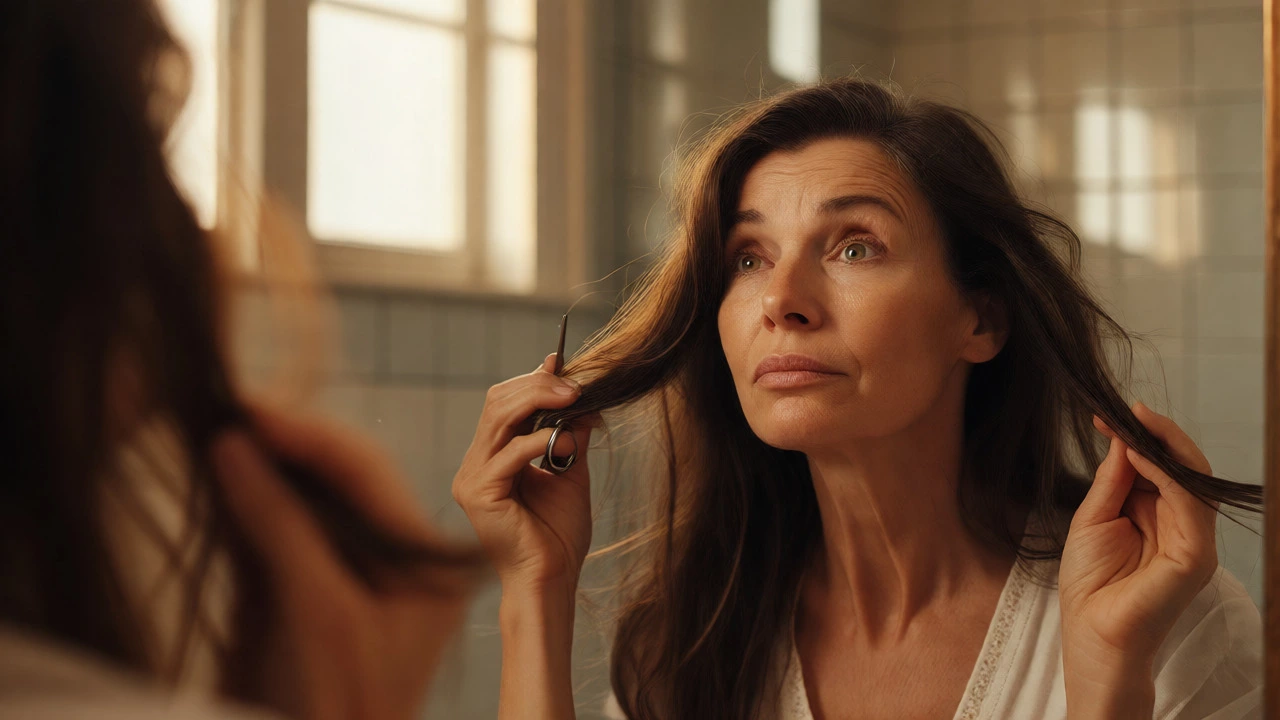
Calculating...You stand in front of the mirror, scissors in hand (or just a mental image of them), wondering if chopping off those inches will erase five years from your face or add ten. It is one of the most common beauty dilemmas we face as we age. We see celebrities rocking pixie cuts and bob styles, looking fresh and vibrant, but then we look at our own reflection and worry about exposing our jawline or highlighting forehead lines. The truth isn't black and white. Short hair does not automatically make you look younger or older; it acts as a magnifying glass for your existing features. If your skin is glowing and your bone structure is sharp, short hair can be incredibly rejuvenating. If you are hiding behind layers because you dislike your neck or ears, going short might feel like stepping onto a stage without makeup. Let's break down what actually happens to your appearance when you change your length, based on geometry, psychology, and practical styling realities.
The Geometry of Aging Faces
Aging changes the shape of your head and face. As we get older, gravity takes its toll. Our skin loses elasticity, fat pads shift downward, and the bone structure becomes more prominent in some areas while softer in others. This process often leads to a "triangular" face shape where the lower half feels heavier due to sagging jowls, while the upper part remains relatively unchanged. Long, heavy hair pulls the eye downward, emphasizing this heaviness. It drags the visual weight toward the chin and neck, which can inadvertently highlight sagging skin.
Facial symmetry plays a huge role here too. When you cut your hair short, you remove the vertical line that long hair creates. Without that long curtain framing your face, all eyes go straight to your eyes, cheekbones, and mouth. For many people over 50, this is terrifying. But for others, it is liberating. If you have strong cheekbones or expressive eyes, short hair draws attention to these assets rather than letting them hide behind strands. The key is understanding whether your goal is to conceal perceived flaws or highlight your best features. Short hair forces you to engage with your face, not hide from it.
Why Short Hair Can Add Years (The Risks)
We need to address the fear factor first. Why do so many women regret going short? Usually, it comes down to three specific issues: volume loss, exposed necklines, and harsh angles.
- Volume Loss: As hair thins with age, cutting it very short can reveal scalp visibility. A pixie cut on thinning hair can look sparse rather than chic. Unlike thick, coarse hair that holds shape, fine hair may lie flat against the skull, making the head appear smaller and the face larger by comparison.
- Exposed Necklines: Long hair covers the back of the neck. If you have sun damage, wrinkles, or loose skin on your neck, a blunt bob or pixie exposes this area completely. While neck exercises help, they don't erase decades of UV exposure overnight. Showing this skin requires confidence and good skincare maintenance.
- Harsh Angles: Sharp, geometric cuts can accentuate angular bone structures. If you already have a square jaw or prominent nose, a severe undercut or a razor-sharp bang can make these features look harder or more severe, adding a sternness that reads as "older."
Think about the last time you saw someone with a bad haircut. Was it because the hair was short? Or was it because the cut didn't suit their head shape? Often, it is the latter. A poorly executed short cut lacks movement and texture, making it look static and dated. Static hair looks old. Dynamic hair looks young.
The Case for Rejuvenation: When Short Hair Works Magic
Now, let's flip the script. There are scenarios where short hair is the ultimate anti-aging hack. First, it lifts the face visually. A well-placed layer around the crown adds height, elongating the face and counteracting the widening effect of gravity. This vertical lift mimics the youthful oval face shape associated with youth.
Second, short hair is lighter. Heavy, long hair weighs down the roots, flattening the top of the head. By removing weight, you gain natural bounce and body. Movement equals vitality. When your hair moves when you turn your head, it signals energy and health. Stiff, heavy hair signals fatigue.
Third, consider maintenance. Nothing ages you faster than bad hygiene or unkempt ends. Split ends travel up the shaft, making hair look frizzy and dry. Dry hair reflects less light, appearing dull and lifeless. Short hair allows you to keep your ends healthy. Fresh, shiny hair reflects light better, creating a halo effect that softens facial shadows. If you struggle with time or dexterity, managing long hair can be stressful. Stress shows on your face. Simplifying your routine by going short can indirectly reduce stress-induced aging.
| Feature | Long Hair Effect | Short Hair Effect |
|---|---|---|
| Visual Weight | Drags eyes downward; emphasizes jawline sag | Lifts eyes upward; focuses on eyes/cheekbones |
| Volume | Can flatten roots due to weight | Adds height and bounce at the crown |
| Maintenance | High effort; prone to split ends | Low effort; easier to maintain shine |
| Skin Exposure | Covers neck and shoulders | Exposes neck, ears, and collarbone |
| Face Shape | Softens angular features | Highlights bone structure and symmetry |
It’s Not About Length, It’s About Texture and Layers
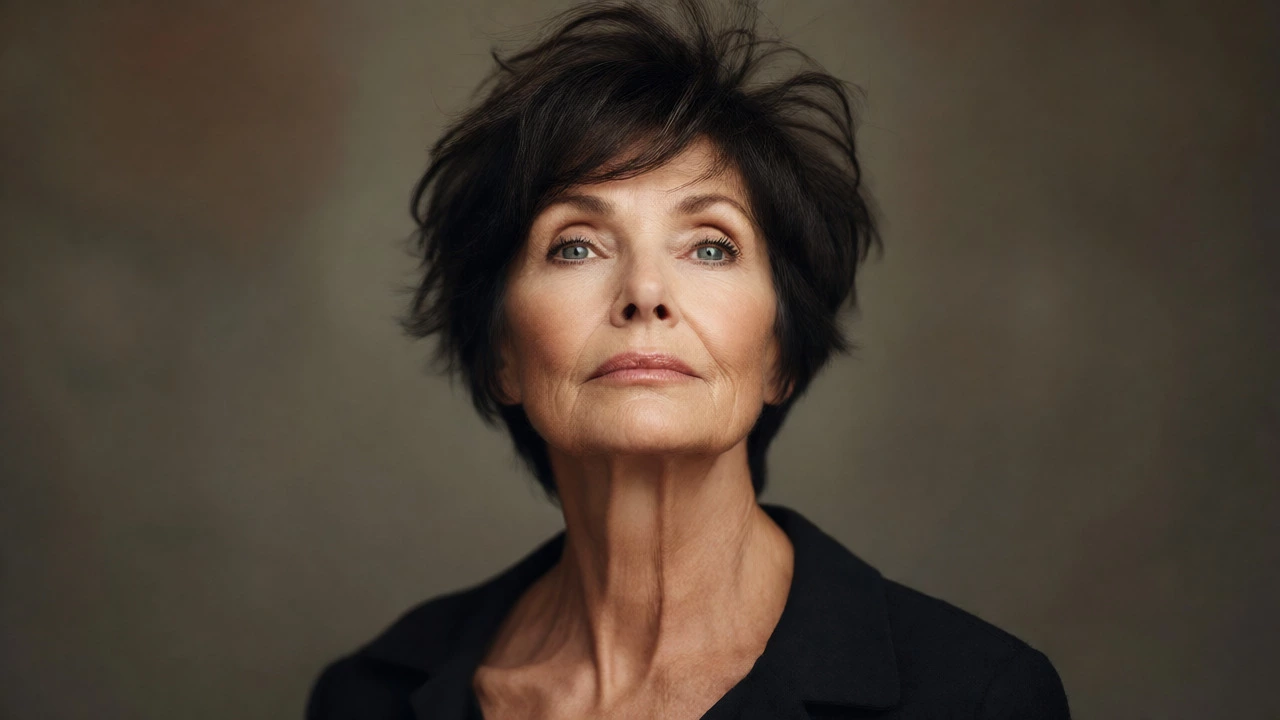
If you are still on the fence, realize that "short" is a spectrum. You don't have to go full buzz cut. The secret weapon for aging gracefully with shorter hair is texture. Straight, sleek bobs can sometimes look severe. Adding waves, curls, or piece-y layers breaks up the solid block of color and shape. This irregularity mimics the natural randomness of youth.
Consider the Shag Cut. This style relies heavily on layers and fringe. The fringe hides forehead lines, while the layers frame the face softly. It doesn't pull tight; it falls naturally. Another winner is the Lob (Long Bob), which sits just above the shoulders. It gives you the versatility of long hair (you can tie it back) but removes the drag weight. It frames the face without overwhelming it.
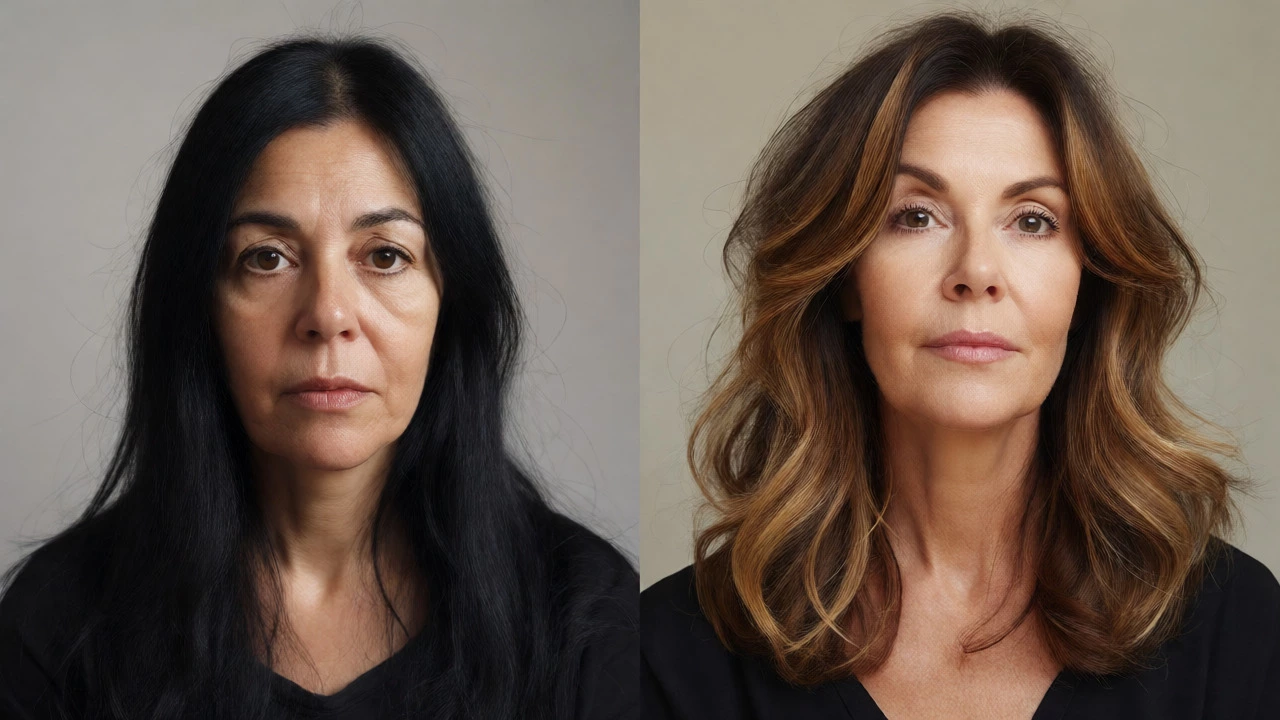
Color matters just as much as length. Harsh, single-process dark colors can create a helmet-like effect that contrasts sharply with pale aging skin, emphasizing wrinkles. Softer balayage or multi-tonal highlights reflect light differently, adding dimension. Dimension makes hair look thicker and healthier, regardless of length. If you go short, ensure your colorist understands how to blend gray hair seamlessly rather than painting a stark line at the root.
Psychological Factors: Confidence vs. Comfort
There is an intangible element here: confidence. Does seeing your whole face make you feel vulnerable or empowered? Some women report feeling "naked" after a big chop. They constantly touch their hair, checking if it's covering enough. This anxiety translates into posture and expression. If you are self-conscious, you might hunch your shoulders or avoid eye contact, both of which project insecurity and age.
Conversely, many women describe a sense of freedom. No more tangles, no more drying time, no more worrying about humidity ruining your blowout. This ease allows them to smile more, move more freely, and engage more openly with the world. Joy is universally perceived as youthful. If short hair brings you joy and simplifies your life, it will likely make you look younger because you carry yourself differently. The physical change is secondary to the psychological shift.
How to Test Drive Short Hair Before Committing
Don't rush into the salon chair. Here is a low-risk way to test the waters:
- The Ponytail Test: Pull your hair up into a high ponytail. Step back and look in the mirror. Imagine cutting everything below the ponytail holder. Do you like what you see? Pay attention to your neck and jawline. If you hate the view, you might want to stay longer or opt for a lob instead of a pixie.
- The Scarf Trick: Wrap a scarf around your head to simulate a cropped length. Look at your face in different lighting conditions. See how the lack of hair framing affects your perceived balance.
- Consult a Professional: Find a stylist who specializes in mature hair. Ask them specifically about your face shape and hair density. Show them photos of short hairstyles on women with similar face shapes and hair textures to yours, not just celebrity photos.
Remember, hair grows back. It is not a permanent tattoo. However, choosing the right starting point helps. Start with a lob. Wear it for three months. If you love it, cut it shorter. If you miss the length, grow it out. This gradual approach prevents shock and regret.
Final Thoughts: Embrace the Change
So, does short hair make you look younger or older? It depends entirely on execution and attitude. Done poorly, it can expose insecurities. Done well, with proper layering, texture, and color, it can lift your features, boost your volume, and simplify your routine. The goal isn't to look 20 again. The goal is to look like the best version of yourself now. And often, the best version of yourself looks fresher, lighter, and more confident with a little less weight on her shoulders.
Does thinning hair mean I should avoid short cuts?
Not necessarily. In fact, very long hair can weigh down thinning roots, making the scalp more visible. Shorter cuts with layers can create the illusion of volume and thickness. Textured pixies or bobs can camouflage sparse areas better than long, flat styles.
Will a bang make me look younger?
Bangs can soften forehead lines and draw attention to the eyes, which are often considered the most youthful feature. However, heavy, blunt bangs can sometimes look severe. Wispy or side-swept bangs are generally more flattering for mature faces as they add softness without hiding too much.
What is the most age-appropriate short hairstyle?
There is no single "correct" style, but the Lob (long bob) is widely considered the safest transition. It offers the benefits of short hair (volume, ease) without fully exposing the neck and jawline. Styles with soft layers and face-framing pieces tend to be more universally flattering than sharp, geometric cuts.
Does hair color affect how short hair looks on older women?
Yes, significantly. Dark, solid colors can create a harsh contrast with aging skin, potentially emphasizing wrinkles. Multi-dimensional colors, such as highlights, lowlights, or balayage, add depth and reflect light, making the hair look healthier and softer. This complements shorter lengths by adding visual interest.
How often should I cut my hair if I go short?
Short hair requires more frequent maintenance to keep its shape. Expect to visit your stylist every 4 to 6 weeks. Longer intervals can result in grown-out shapes that lose their structural integrity and may start to look unkempt, which can detract from the polished, youthful look you are aiming for.