
Shampoo Health & Suitability Analyzer
Enter ingredients separated by commas (e.g., Water, Sodium Lauryl Sulfate, Aloe Vera)
Ideal Product Characteristics
Recommended Washing Frequency
Key Ingredients to Look For
Ingredients to Avoid
Use the tools on the left to analyze your current products or find a routine that fits your unique hair needs.
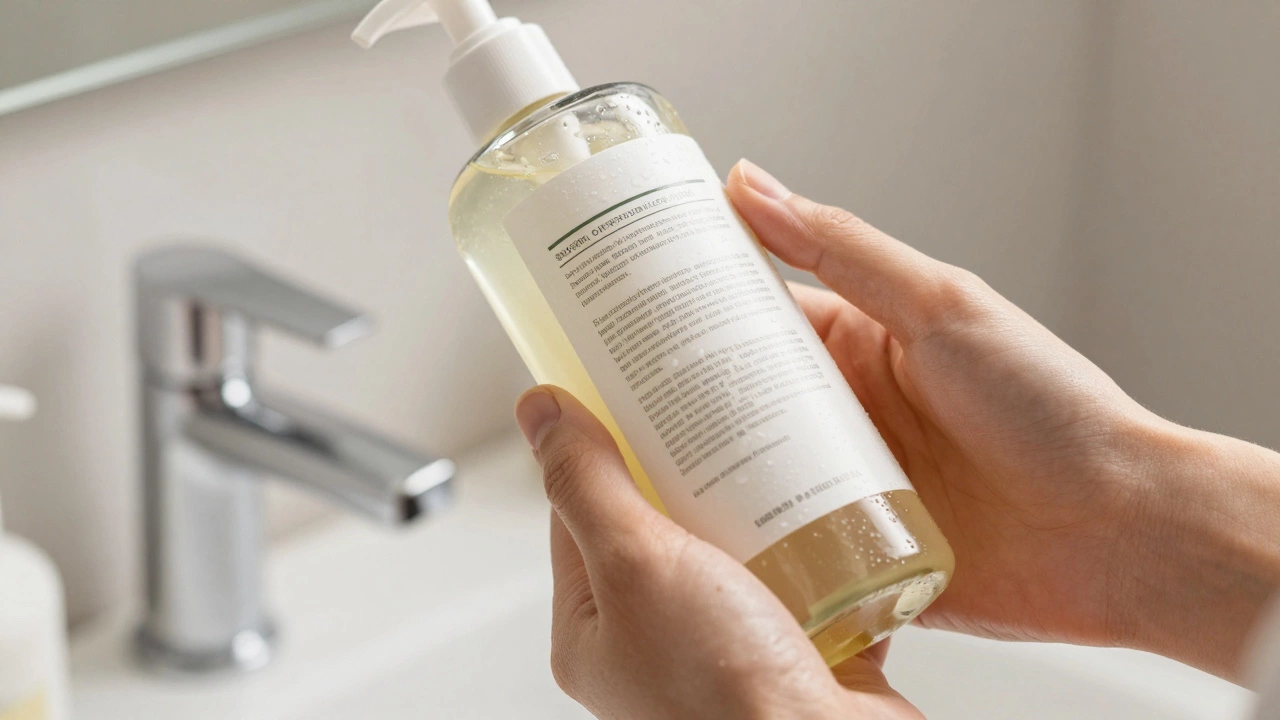
Think about the last time you read a shampoo label. Did it look like a chemistry exam? You probably saw words like sodium lauryl sulfate, dimethicone, and phenoxyethanol. It’s easy to feel overwhelmed. We want our hair to shine and our scalp to stay healthy, but we also worry about harsh chemicals. So, what is actually the healthiest shampoo for you? The answer isn’t one single brand. It depends on your hair type, your scalp condition, and which ingredients you choose to avoid.
The Myth of One Size Fits All
There is no universal "best" shampoo. What works for someone with thick, curly hair might dry out someone with fine, straight hair. Your hair is dead keratin protein, but your scalp is living skin. A healthy shampoo must balance cleansing the scalp without stripping its natural oils, while conditioning the hair shaft without weighing it down. If you ignore this balance, you end up with dry, brittle strands or a greasy, itchy scalp.
Your genetics, water hardness, diet, and even stress levels affect how your hair reacts to products. For example, people with high-porosity hair (hair that absorbs water quickly but loses it just as fast) need heavier moisturizers. Low-porosity hair repels moisture, so it needs lighter formulas. Understanding your specific needs is the first step toward finding a product that truly supports your health.
Ingredients to Avoid: The Hidden Culprits
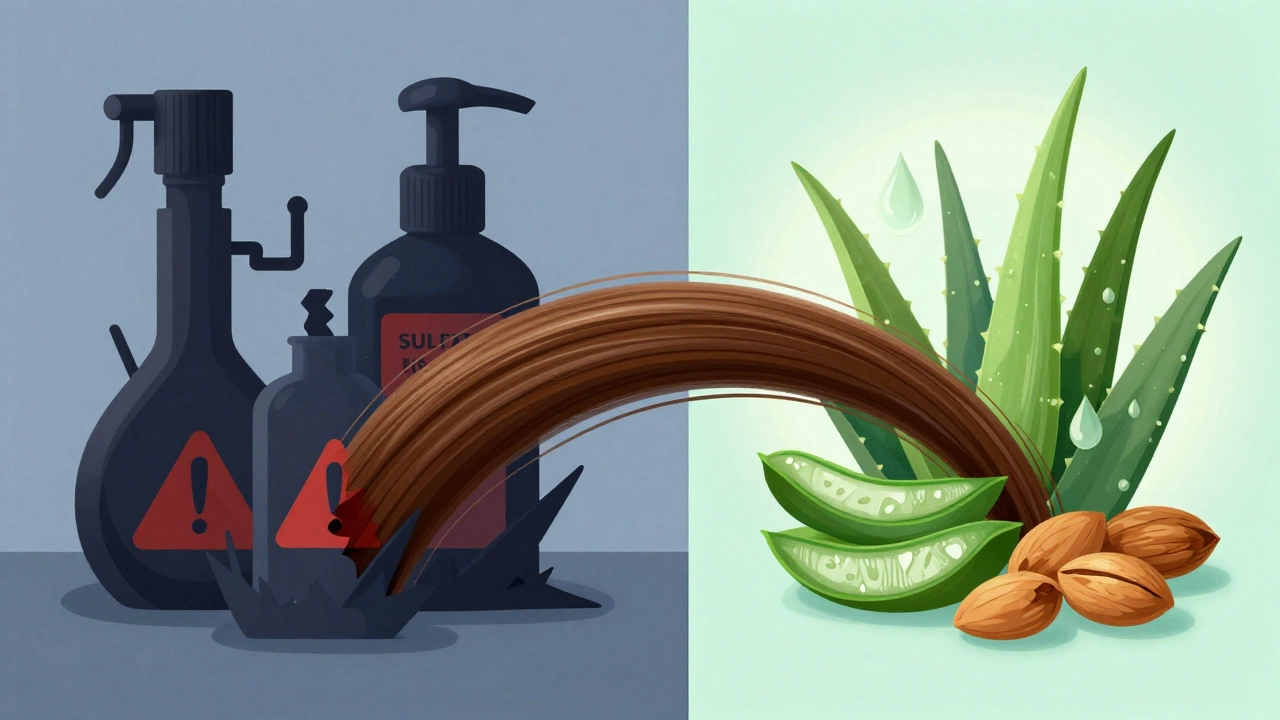
To find a healthier option, you first need to know what to leave behind. Many conventional shampoos contain surfactants that are too aggressive for daily use. Sodium Lauryl Sulfate (SLS) and Sodium Laureth Sulfate (SLES) create big bubbles, but they can strip away the sebum your scalp produces naturally. This leads to irritation, redness, and excessive oil production as your scalp tries to compensate.
Parabens are another common concern. These preservatives prevent bacteria growth in your bottle, but some studies suggest they may mimic estrogen in the body. While the debate continues, many people prefer to avoid them to reduce overall chemical exposure. Silicones like dimethicone coat the hair to make it smooth, but they can build up over time, blocking moisture from entering the strand. If you use silicone-heavy products, you often need strong sulfates to wash them out, creating a vicious cycle.
- Sulfates: Can cause dryness and scalp irritation.
- Parabens: Potential endocrine disruptors; best avoided by cautious consumers.
- Synthetic Fragrances: Often hide allergens and can trigger headaches or sensitivity.
- Alcohols: Short-chain alcohols (like ethanol) dry out hair; fatty alcohols (like cetyl alcohol) are generally safe.
Beneficial Ingredients for Scalp and Strand
Instead of focusing only on what to avoid, look for ingredients that actively support hair health. Natural cleansers like Cocamidopropyl Betaine or Decyl Glucoside are gentle alternatives to sulfates. They clean effectively without stripping essential oils. These are perfect for sensitive scalps or those with eczema or psoriasis.
Moisturizing agents are crucial. Hyaluronic acid, glycerin, and aloe vera draw moisture into the hair shaft. Oils like argan, jojoba, and coconut oil provide nourishment. Jojoba oil closely mimics human sebum, making it an excellent choice for balancing oil production. Protein-rich ingredients like hydrolyzed wheat or silk protein can strengthen damaged hair, but use them sparingly if your hair is prone to buildup.
| Ingredient Type | Common Examples | Effect on Hair/Scalp | Health Rating |
|---|---|---|---|
| Gentle Surfactants | Cocamidopropyl Betaine | Cleans without stripping | High |
| Harsh Surfactants | Sodium Lauryl Sulfate | Strips natural oils | Low |
| Natural Moisturizers | Aloe Vera, Glycerin | Hydrates and soothes | High |
| Silicones | Dimethicone | Smooths but causes buildup | Moderate |
| Preservatives | Phenoxyethanol | Safe in low concentrations | Moderate |
Tailoring Your Choice to Hair Type
Your hair type dictates which healthy formula will work best. If you have fine hair, heavy oils can make it look flat and greasy. Look for lightweight, volumizing formulas with tea tree oil or mint, which stimulate circulation without weighing strands down. Curly and coily hair types tend to be drier because natural oils struggle to travel down the spiral shaft. These hair types benefit from creamy, sulfate-free shampoos rich in shea butter or avocado oil.
Color-treated hair requires extra care. Harsh cleansers fade color quickly. Choose pH-balanced shampoos (around 4.5 to 5.5) that help keep the cuticle closed, locking in color and moisture. For oily scalps, clarify once a week with a gentle apple cider vinegar rinse instead of using harsh sulfates daily. Dry scalps need hydration-focused cleansers with ceramides or oat extract to repair the skin barrier.
The Role of pH Balance
pH matters more than most people realize. Healthy skin has a slightly acidic pH of about 5.5. Most tap water is alkaline (7.0 or higher), and many traditional shampoos are even more alkaline. Using an alkaline product raises the hair cuticle, causing frizz, breakage, and dullness. A healthy shampoo should be pH-balanced between 4.5 and 5.5. This keeps the cuticle flat, reflecting light for shine and protecting the inner cortex from damage.
If you suspect your current shampoo is too harsh, check the pH. Litmus strips are inexpensive and available online. Testing your products takes two minutes but can save your hair months of damage. Brands that prioritize health usually state their pH level clearly on the packaging or website.
Natural vs. Synthetic: Finding the Middle Ground
"Natural" doesn't always mean safer. Poison ivy is natural, but you wouldn't put it in your shampoo. Essential oils, while derived from plants, can be potent allergens. Conversely, not all synthetic ingredients are harmful. Some lab-created molecules are more stable, effective, and sustainable than plant extracts. The key is transparency. Look for brands that disclose full ingredient lists and explain why each component is included.
Certifications can help guide you. Labels like USDA Organic, EWG Verified, or Leaping Bunny (cruelty-free) provide third-party validation. However, don't rely solely on marketing terms like "clean" or "green," which are unregulated. Read the INCI (International Nomenclature of Cosmetic Ingredients) list. If the first five ingredients are recognizable and gentle, you're likely on the right track.
Practical Tips for Healthier Washing Habits
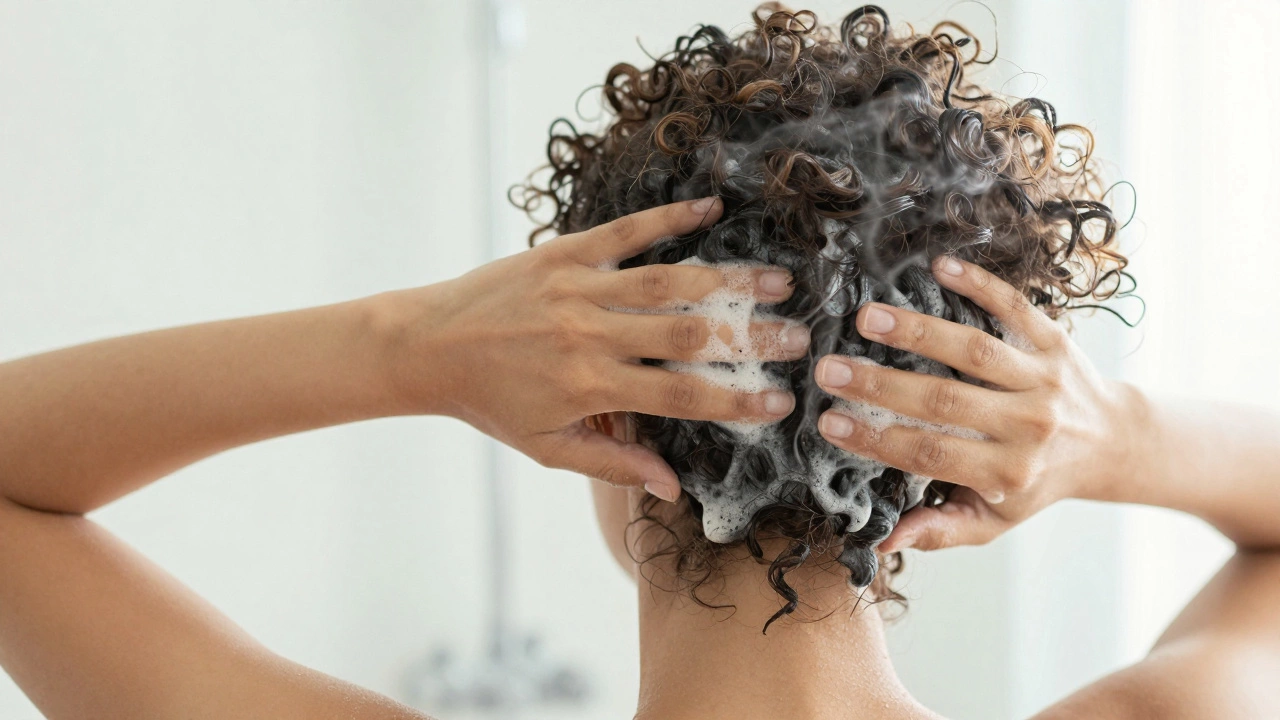
How you wash your hair is just as important as what you use. Over-washing strips natural oils, leading to a cycle of dryness and compensatory oiliness. Try washing every other day or every three days, depending on your lifestyle. Use lukewarm water instead of hot water, which can dehydrate the scalp and irritate follicles. Focus the shampoo on your scalp, not the ends. The suds running down will clean the lengths sufficiently. Conditioner should go on the mid-lengths and ends, where hair is oldest and most damaged.
Consider pre-shampoo treatments. Applying a light oil like argan or jojoba before washing protects the hair shaft from water absorption, which can swell and weaken the structure. This technique, known as pre-pooing, is especially helpful for dry or chemically treated hair. Finally, give your scalp a gentle massage while cleansing. This boosts blood flow, delivering nutrients to the follicles and promoting healthy growth.
When to See a Professional
If you experience persistent itching, flaking, redness, or hair loss despite changing products, it might be more than a shampoo issue. Conditions like seborrheic dermatitis, fungal infections, or hormonal imbalances require medical attention. Dermatologists can prescribe medicated shampoos containing ketoconazole, selenium sulfide, or salicylic acid. These aren't everyday products but targeted treatments. Don't self-diagnose severe scalp issues; professional guidance ensures you address the root cause rather than just masking symptoms.
Is sulfate-free shampoo really better?
For most people, yes. Sulfates are harsh detergents that can strip natural oils, leading to dryness and irritation. Sulfate-free options use gentler cleansers that maintain the scalp's moisture barrier, making them ideal for sensitive skin, color-treated hair, and curly textures.
How often should I wash my hair for optimal health?
Frequency depends on your hair type and lifestyle. Oily scalps may need daily washing, while dry or curly hair benefits from washing every 2-3 days. Over-washing can disrupt your scalp's natural oil balance, so listen to your body and adjust accordingly.
Are natural shampoos always safer than synthetic ones?
Not necessarily. "Natural" ingredients can still cause allergies or irritation. The safety depends on the specific formulation and concentration. Look for transparent labeling and reputable certifications rather than relying solely on the word "natural."
What pH level should a healthy shampoo have?
A healthy shampoo should have a pH between 4.5 and 5.5. This slightly acidic range matches the natural pH of your scalp and hair, helping to keep the cuticle flat, retain moisture, and prevent frizz and breakage.
Can shampoo cause hair loss?
Shampoo itself rarely causes permanent hair loss. However, harsh ingredients can weaken hair strands, leading to breakage that looks like thinning. If you experience sudden or patchy hair loss, consult a dermatologist to rule out underlying medical conditions.