
Salon Wash Prep Guide
Not sure if you should wash your hair before your appointment? Select your service below to get specific advice on timing and product usage.
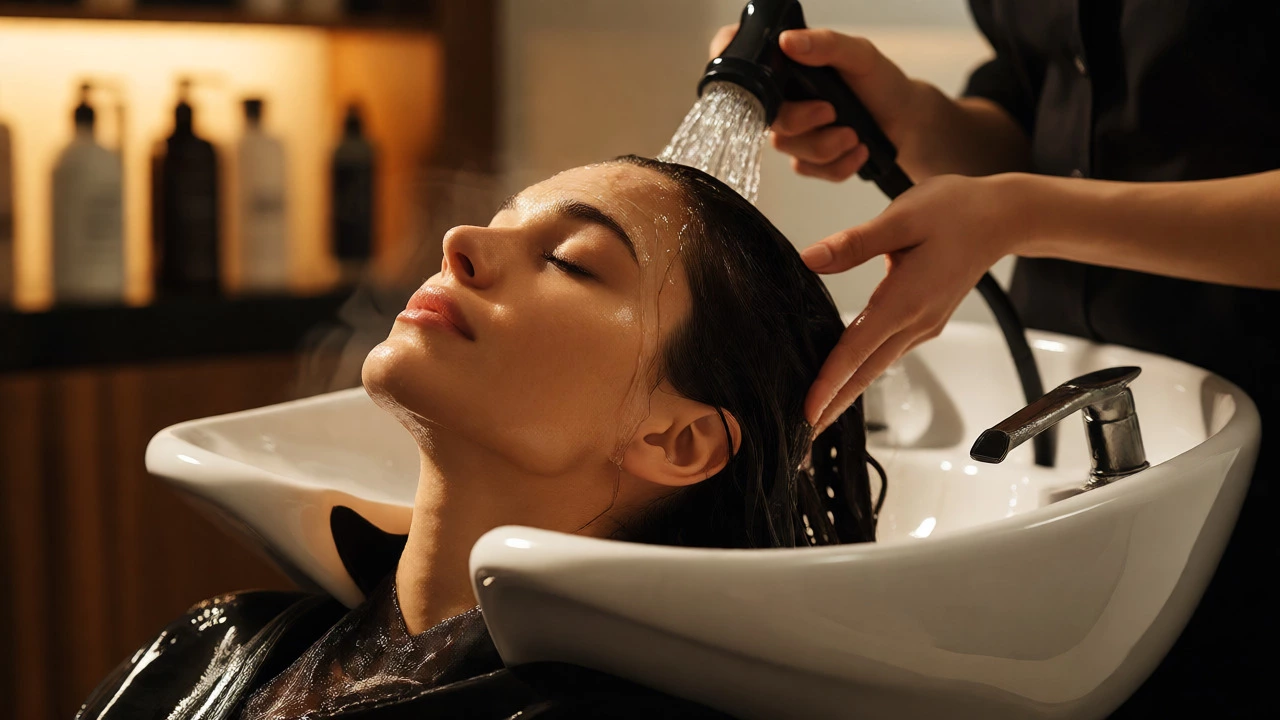
You sit in the chair, tilt your head back into the basin, and wait for that warm water to hit your scalp. It feels good, sure. But have you ever wondered why they do it every single time? Even if you just showered this morning? It’s not just about cleanliness. There is a whole ecosystem of logic behind that ten-minute rinse that most clients never think about.
The Chemistry of Clean: Why Home Showers Aren't Enough
Let’s be real for a second. Most people wash their hair at home with whatever bottle is left on the shelf. Maybe it’s a two-in-one shampoo from the supermarket. Maybe it’s dry shampoo because you’re running late. Whatever it is, it leaves residue. And residue is the enemy of precision.
When a stylist applies color, bleach, or keratin, they need a blank canvas. If your hair has silicone buildup from last week’s conditioner, the dye won’t penetrate evenly. You’ll get patchy color. If there’s product wax holding your style together, the perm solution might react unpredictably. The salon wash isn’t just cleaning; it’s resetting. They use clarifying shampoos that strip away minerals from hard water and synthetic polymers from styling products. This ensures the chemicals work exactly as the manufacturer intended.
Think of it like priming a wall before painting. You wouldn’t paint over grease and dust, right? Same logic applies here. The professional shampoo used in salons often has a higher pH than drugstore brands, which opens up the hair cuticle slightly. This allows better absorption of treatments. It’s science, not just soap.
Scalp Health and Circulation Boosts
Here is something you don’t get at home: a proper scalp massage. Stylists are trained to stimulate blood flow. Increased circulation means more nutrients reach the hair follicles. It also helps relax those tight muscles in your neck and shoulders. After twenty minutes of sitting under fluorescent lights, that tension release is worth the price of admission alone.
- Lymphatic Drainage: Proper massage techniques help move stagnant fluid, reducing puffiness around the face.
- Exfoliation: Many salons use scrubs or brushes to remove dead skin cells, preventing dandruff and itchiness.
- Tension Relief: Manipulating the trapezius and occipital muscles reduces stress headaches.
At home, we tend to rush. We scrub, rinse, done. In a salon, the focus is on technique. They know where the knots are. They know how much pressure to apply without hurting you. It’s a therapeutic experience disguised as hygiene.
Temperature Control and Cuticle Management
Water temperature matters more than you think. Too hot, and you fry the protein structure of your hair. Too cold, and the cuticles stay closed, trapping dirt inside. Salon basins allow precise control. Stylists start with warm water to open the cuticle, then finish with a cool rinse to seal it shut. This sequence locks in moisture and adds shine.
Try doing that at home while balancing on one foot. It’s tricky. The ergonomic design of the shampoo bowl supports your neck, allowing you to relax completely. This relaxation actually changes your physiological response. Your heart rate drops. Your breathing slows. You become a better candidate for detailed work because you aren’t fidgeting or tense.
Detection: Spotting Problems Before They Start
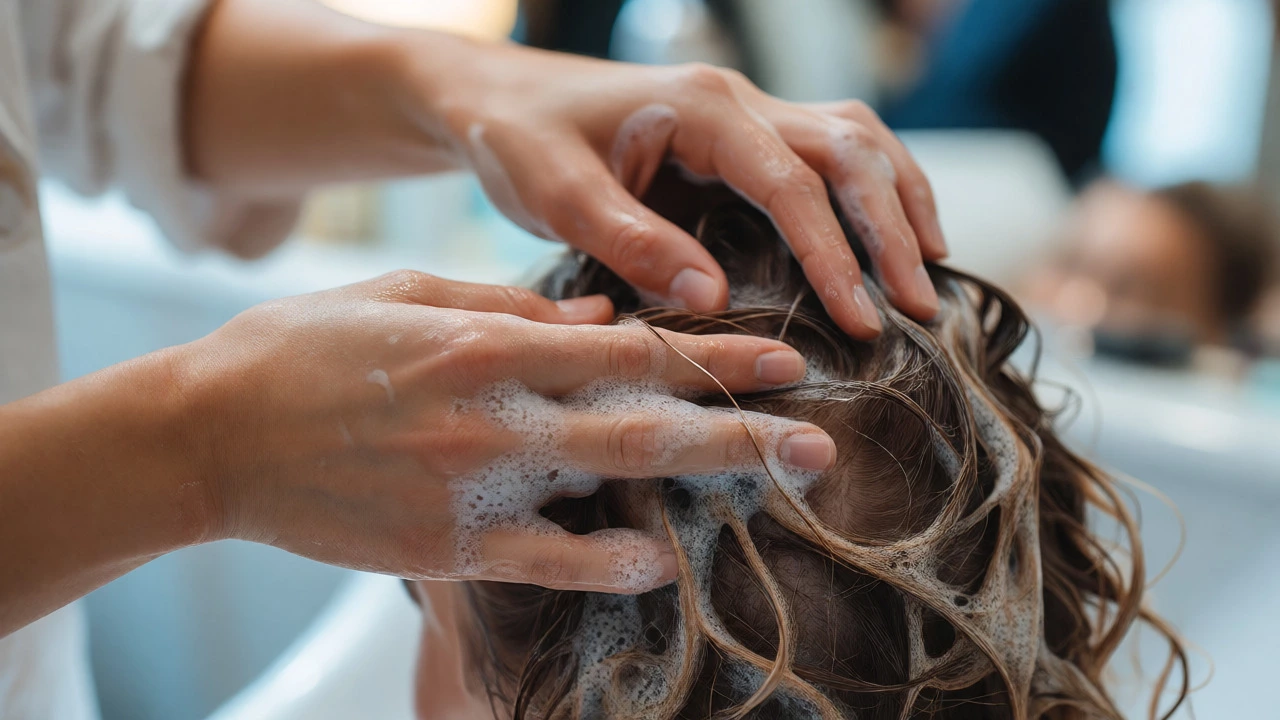
This is the secret job of the wash station. While your eyes are closed, the stylist is inspecting your scalp. They can spot early signs of alopecia, fungal infections, or severe breakage that you might miss. Maybe you’ve been pulling too hard with your ponytail. Maybe your box dye caused a chemical burn. Catching these issues early saves your hair long-term.
If a stylist notices thinning edges, they might suggest gentler styles. If they see dryness, they’ll recommend different home care products. It’s a diagnostic tool. Ignoring the wash phase means missing out on free health checks for your hair.
Preparation for Specific Services
Not all washes are created equal. The type of wash depends entirely on what comes next. A simple trim might only need a basic cleanse. But a balayage? That requires a specific pre-lightening prep. Keratin treatments demand sulfate-free washing beforehand to avoid stripping natural oils prematurely.
| Service Type | Wash Goal | Product Used | Water Temp |
|---|---|---|---|
| Color Correction | Remove metal/mineral buildup | Clarifying Shampoo | Warm (38-40°C) |
| Keratin Treatment | Cleanse without drying | Sulfate-Free Shampoo | Warm |
| Perm | Open cuticle for solution | Pre-Perm Shampoo | Warm |
| Haircut Only | Basic hygiene | Standard Shampoo | Client Preference |
Skipping the wash before a perm could mean the solution doesn’t hold. Doing a clarifying wash before a moisturizing treatment might undo the benefits. Timing and product choice are critical. This is why you shouldn’t try to replicate salon results with home tools unless you understand the chemistry.
The Psychological Reset
There is an undeniable mental aspect to this ritual. For many, the salon is a sanctuary. Turning off your phone, closing your eyes, and letting someone else take care of you creates a boundary between daily stress and self-care. This psychological shift makes you feel renewed before you even look in the mirror.
It’s a pause button. In a world that demands constant productivity, lying still while water runs over your head is radical rest. That calm feeling carries over into the styling process. You leave looking good, but you also feel lighter. That emotional benefit is part of the service package, even if it’s not listed on the menu.
Can You Skip It?
Some stylists offer "dry cuts," especially for curly hair types. They cut the hair in its natural state to see how it falls. In these cases, you might skip the wet wash during the appointment. However, you will likely still need a thorough cleanse afterward to remove loose hairs and any debris from the cutting process.
For chemical services, skipping the wash is rarely an option. The risk of uneven results is too high. If you’re short on time, ask your stylist if they can do a quick rinse instead of a full wash. Be honest about when you last washed your hair. Good communication prevents awkward moments and ensures better outcomes.
Do I need to wash my hair before going to the salon?
It depends on the service. For coloring, slightly dirty hair (1-2 days old) is often preferred as natural oils protect the scalp. For cuts and blowouts, clean hair is usually expected. Always check with your salon beforehand.
Why does salon shampoo feel different than drugstore shampoo?
Salon shampoos typically have higher concentrations of active ingredients and fewer fillers. They are formulated to address specific hair conditions rather than just providing fragrance and foam. Professional brands often use smaller molecules that penetrate deeper into the hair shaft.
Is the scalp massage necessary for hair growth?
While massage improves circulation, which supports follicle health, it is not a cure-all for genetic hair loss. However, regular stimulation can create a healthier environment for growth and reduce stress-related shedding.
What is the white stuff in the shampoo bowl drain?
That mixture usually consists of shed hair, dead skin cells, sebum (oil), and residual styling products like hairspray or mousse. Regular cleaning of the drains is essential for hygiene in busy salons.
Can I bring my own shampoo to the salon?
Most salons prefer using their own products to ensure compatibility with their services. Bringing your own might interfere with chemical processes. Ask first, but be prepared for them to decline if it risks the outcome of your treatment.