

Skin Aging Accelerator Calculator
Answer these questions based on your daily habits. This tool estimates how much faster your skin is aging due to external factors.
Your Results
Fill out the form and click calculate to see your personalized aging risk assessment.
You look in the mirror and feel a sudden jolt. You know your age, but the reflection seems to disagree. It’s not just about deep lines or gray hair. Sometimes, you look older because of factors that have nothing to do with genetics. Facial aging is a complex process driven by biology, behavior, and environment. Understanding why this happens is the first step to reversing it.
Most people blame time. Time is only part of the story. The real culprits are often hidden in plain sight: how you sleep, what you eat, and how you treat your skin daily. Let’s break down exactly what makes a woman look older than her actual age and what you can do about it.
The Silent Thief: Collagen and Elastin Loss
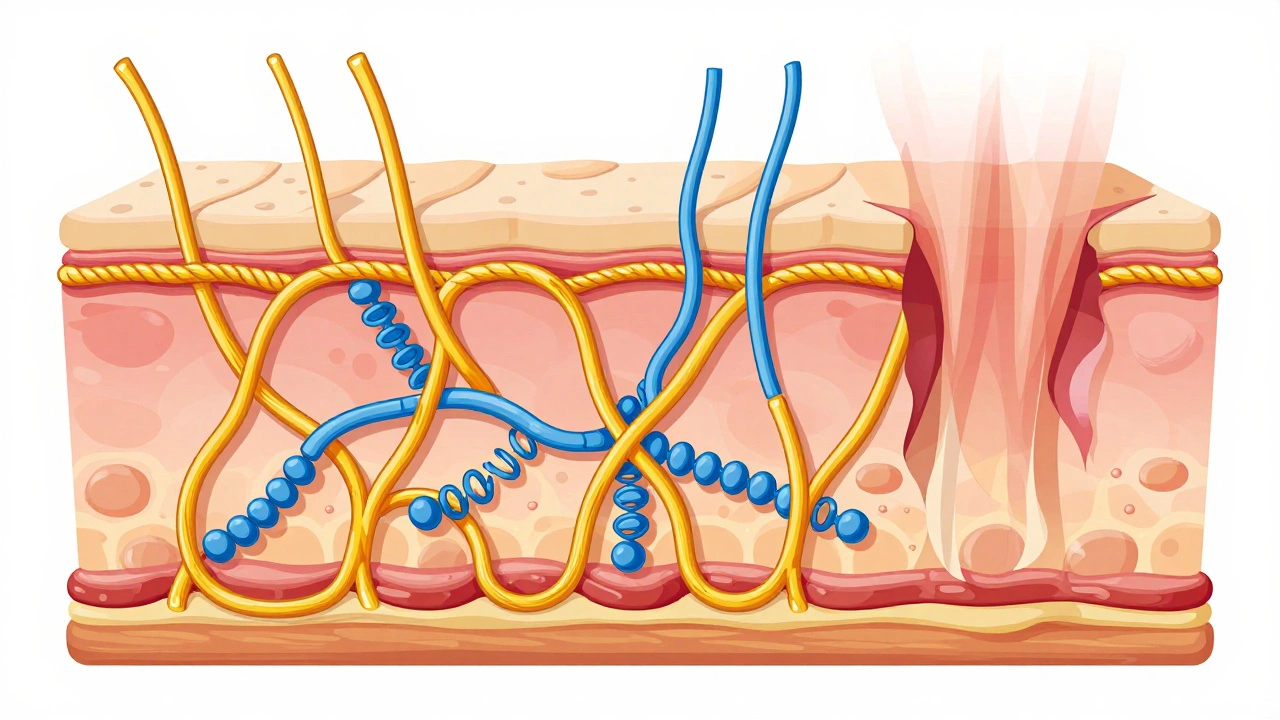
Your skin isn’t just a covering; it’s a living structure held together by proteins. Collagen provides strength, while elastin gives your skin its bounce. Think of your face like a mattress. Collagen is the sturdy box spring, and elastin is the foam that lets you sink in and pop back out. As you age, your body produces less of these proteins. By age 40, you lose about 1% of your collagen per year. This isn’t just theory; it’s biology.
When collagen drops, the skin loses its firmness. It starts to sag. You might notice this first around the jawline or under the eyes. But here’s the catch: you can accelerate this loss. Smoking, for example, breaks down collagen fibers faster than natural aging ever could. If you smoke, you’re essentially fast-forwarding the clock on your skin’s structural integrity.
Sun Damage: The Number One Aging Accelerator
If there’s one thing dermatologists agree on, it’s this: the sun ages you more than anything else. This is called photoaging. It accounts for up to 80% of visible facial changes. We’re talking about wrinkles, dark spots, and rough texture. Most of us think we’re protected if we wear sunscreen once in a while. That’s not enough.
UV rays penetrate deep into the dermis. They damage the DNA in your skin cells. Over years, this damage adds up. You might not see it today, but ten years from now, those cumulative burns show up as leathery skin. The good news? It’s preventable. Daily use of a broad-spectrum SPF 30+ sunscreen stops most of this damage. It’s the single most effective anti-aging product you can buy.
Repetitive Facial Movements and Expression Lines
Your face moves thousands of times a day. Every time you smile, frown, or squint, you’re creating tiny creases. At first, they smooth out. But over decades, those creases become permanent grooves. These are known as dynamic wrinkles. They start as expression lines and turn into static wrinkles when the skin loses its ability to snap back.
The forehead and between the eyebrows are prime targets. Why? Because we use those muscles constantly. Stress makes it worse. When you’re worried, you furrow your brow without realizing it. These repeated movements carve lines into your skin. While you can’t stop making expressions (and you shouldn’t), you can mitigate the damage. Hydrated skin resists creasing better than dry skin. Keeping your skin plump helps fill in those fine lines before they deepen.
Poor Sleep and Chronic Stress
You’ve heard it a million times: sleep is important. But did you know that poor sleep literally changes your face? During deep sleep, your body repairs damaged cells and rebuilds collagen. If you don’t get enough rest, that repair process halts. Studies show that people who sleep less than six hours a night have significantly more fine lines and uneven skin tone.
Stress plays a role too. When you’re stressed, your body releases cortisol. High levels of cortisol break down collagen and cause inflammation. This leads to puffiness, redness, and accelerated aging. It’s not just about looking tired; it’s about biological decay. Chronic stress shrinks your skin’s ability to heal itself. Managing stress through exercise, meditation, or simply taking breaks isn’t just good for your mind-it’s essential for your face.
Diet and Hydration: What You Eat Shows on Your Face
Your skin reflects your internal health. A diet high in sugar and refined carbs causes a process called glycation. In glycation, sugar molecules bind to proteins like collagen, making them stiff and brittle. Imagine leaving a piece of bread in the oven too long-it turns hard and brown. That’s what sugar does to your skin. It makes it less elastic and more prone to wrinkles.
Hydration is equally critical. Dehydrated skin looks dull and emphasizes every fine line. When your skin lacks water, it can’t function properly. It becomes dry and flaky. Drinking enough water helps, but topical hydration matters more. Using humectants like hyaluronic acid pulls moisture into the skin, keeping it plump and youthful-looking. Don’t underestimate the power of a glass of water and a good moisturizer.
The Role of Facial Treatments in Reversing Age
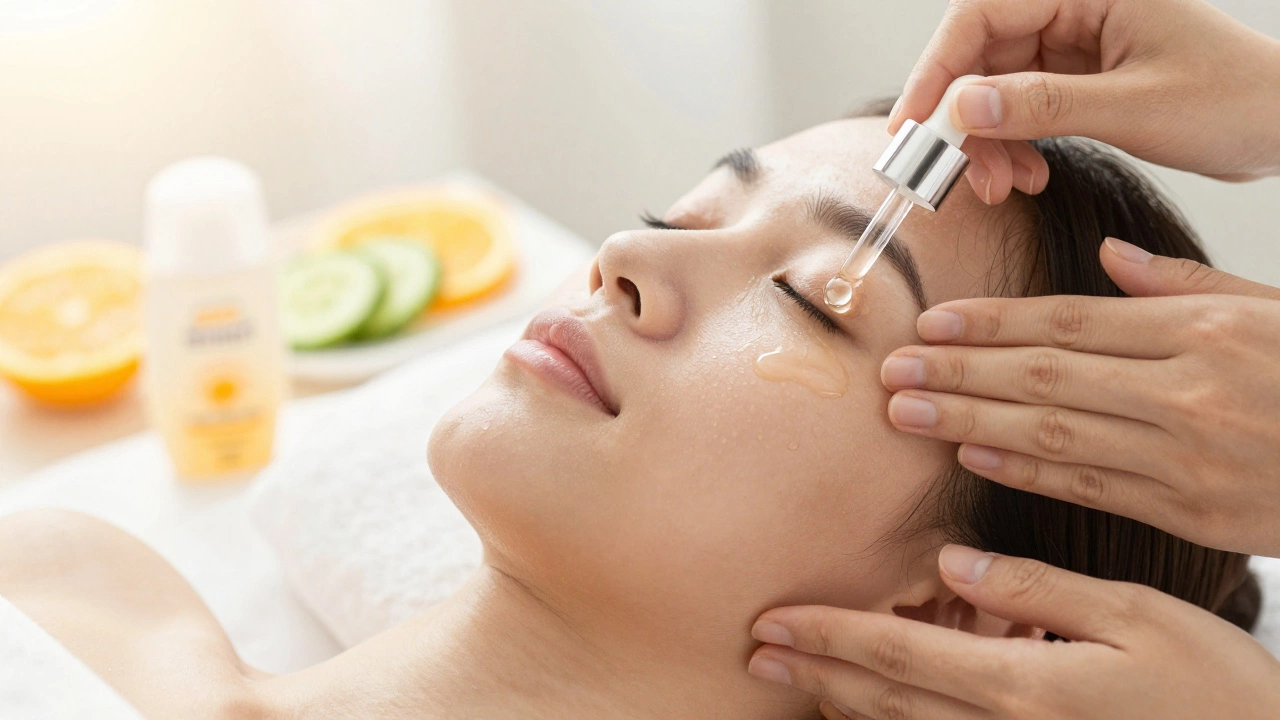
While lifestyle changes are foundational, sometimes you need extra help. Facial treatments offer targeted solutions for specific aging concerns. From non-invasive procedures to advanced skincare technologies, there are many ways to boost your skin’s appearance.
| Treatment Type | Primary Benefit | Best For | Downtime |
|---|---|---|---|
| Chemical Peels | Exfoliates dead skin cells, improves texture | Dullness, mild pigmentation | Minimal (redness for 1-3 days) |
| Botox Injections | Relaxes muscles, reduces dynamic wrinkles | Frown lines, crow’s feet | None |
| Dermal Fillers | Restores volume, lifts sagging areas | Cheek hollows, nasolabial folds | Minimal (swelling for 2-5 days) |
| Laser Resurfacing | Stimulates collagen, removes sun damage | Deep wrinkles, scars | Moderate (1-2 weeks) |
Choosing the right treatment depends on your specific concerns. If you struggle with surface-level issues like dryness or discoloration, chemical peels might be your best bet. For deeper structural changes, such as volume loss, fillers provide immediate results. Always consult with a licensed professional. They can assess your skin type and recommend a personalized plan.
Posture and Neck Care: The Forgotten Areas
We spend so much time looking at screens that our posture suffers. Slouching compresses your chest and pushes your head forward. This creates tension in your neck and shoulders, leading to what’s known as "tech neck." The skin on your neck is thinner than on your face. It shows signs of aging sooner. Vertical bands on your neck are a common sign of poor posture and muscle tension.
To combat this, keep your screen at eye level. Stretch your neck regularly. Apply your moisturizer and sunscreen to your neck and décolletage. These areas receive just as much sun exposure as your face. Ignoring them creates an uneven appearance that draws attention to aging. Consistency is key. Treat your neck with the same care as your face.
Genetics vs. Lifestyle: Which Matters More?
Genetics play a role, no doubt. Some people inherit thick, resilient skin. Others have delicate skin that shows every bump. But genetics aren’t destiny. Research suggests that lifestyle factors account for a significant portion of premature aging. You can’t change your genes, but you can control your habits. Protecting your skin from the sun, eating well, and sleeping enough will outweigh genetic predispositions in most cases.
Think of genetics as the hand you’re dealt. Lifestyle is how you play the game. A player with a bad hand can still win if they play smart. Similarly, someone with less-than-perfect skin genetics can maintain a youthful appearance through diligent care. Focus on what you can control. Stop worrying about what you can’t.
Building a Routine That Works
You don’t need a complicated routine to look younger. Simplicity wins. Start with the basics: cleanse, moisturize, and protect. Use a gentle cleanser to remove dirt and makeup without stripping your skin. Follow with a moisturizer suited to your skin type-oil-free for oily skin, richer creams for dry skin. Finally, apply sunscreen every morning, rain or shine.
Add active ingredients gradually. Retinol boosts cell turnover and stimulates collagen. Vitamin C brightens skin and fights free radicals. Niacinamide strengthens the skin barrier and reduces redness. Introduce one new product at a time. Wait a few weeks to see how your skin reacts. Patch test new products to avoid irritation. Consistency beats intensity. Doing a little bit every day yields better results than occasional heavy treatments.
Final Thoughts on Looking Younger
Looking older than your age isn’t inevitable. It’s often the result of accumulated neglect. Sun damage, poor diet, lack of sleep, and stress all take a toll. But the good news is that you can reverse some of this damage. By adopting healthy habits and using targeted facial treatments, you can reclaim your youthful glow. Remember, aging is natural. Looking prematurely aged is optional. Take charge of your skin today, and thank yourself tomorrow.
What is the fastest way to make my face look younger?
The fastest way involves combining daily protection with targeted treatments. Start using broad-spectrum sunscreen daily to prevent further damage. Incorporate retinol into your evening routine to boost collagen. For immediate results, consider professional treatments like Botox or fillers, which can reduce wrinkles and restore volume within days.
Does drinking water really help with aging skin?
Yes, hydration is crucial. Dehydrated skin appears dull and emphasizes fine lines. Drinking water supports overall skin health, but topical hydration is even more direct. Using products with hyaluronic acid helps lock moisture into the skin, keeping it plump and resilient against aging.
Can stress actually cause wrinkles?
Absolutely. Stress increases cortisol levels, which break down collagen and elastin. Chronic stress also leads to repetitive facial expressions like frowning, which create dynamic wrinkles. Managing stress through relaxation techniques can help preserve skin elasticity and reduce premature aging.
Is it too late to start using sunscreen if I’m already over 40?
It’s never too late. While sunscreen won’t erase existing damage, it prevents further deterioration. UV rays continue to damage skin regardless of age. Starting daily sunscreen use now will slow down additional wrinkling and pigmentation, helping you maintain your current appearance longer.
Which facial treatment is best for deep wrinkles?
For deep wrinkles, laser resurfacing or deep chemical peels are often most effective. These treatments remove layers of damaged skin, stimulating new collagen growth. Dermal fillers can also fill in deep folds immediately. Consult a dermatologist to determine the best approach based on your skin type and severity of wrinkles.