
Candle Regulatory Classification Checker
Are you a maker or buyer? Determine the regulatory status of your candle product. Answer the questions below to see if your product falls under Cosmetics regulations (FDA/EU) or General Product Safety standards.
Tip: The distinction often lies in intended use. A standard pillar candle is a household good. A "massage candle" designed to be poured on skin is a cosmetic. Mislabeling can lead to fines.
You’re lighting a vanilla-scented candle in your living room. It smells amazing, the wax melts slowly, and it sets a cozy mood. But here’s a question that trips up many makers and buyers alike: are candles considered cosmetics? The short answer is no, not in the traditional sense. However, the regulatory landscape is messier than a spilled jar of beeswax.
If you sell handmade candles or buy them for personal use, understanding where they fit in legal frameworks matters. Mislabeling can lead to fines, especially under strict regimes like the EU Cosmetics Regulation. This guide breaks down exactly how authorities classify candles, why some people think they’re cosmetics, and what you need to know to stay compliant.
The Official Definition of a Cosmetic Product
To figure out if a candle fits the bill, we first need to look at what defines a "cosmetic." In the European Union, the primary authority on this is Regulation (EC) No 1223/2009. According to Article 2(1)(a), a cosmetic product is any substance or mixture intended to be placed in contact with the external parts of the human body (epidermis, hair system, nails, lips, and external genital organs) or with the teeth and the mucous membranes of the oral cavity with a view exclusively or mainly to cleaning them, perfuming them, changing their appearance, protecting them, keeping them in good condition, or correcting body odours.
Let’s unpack that. The key phrase is "placed in contact with the external parts of the human body." A standard pillar candle sits on a table. It burns down. You don’t rub the wax on your skin, and you don’t apply the flame to your cheek. Therefore, by definition, it fails the "contact" test. It is not a cosmetic.
In the United States, the Food and Drug Administration (FDA) has a similar stance. Under the Federal Food, Drug, and Cosmetic Act, cosmetics are articles intended to be rubbed, poured, sprinkled, or sprayed on, introduced into, or otherwise applied to the human body. Since candles are primarily used for illumination and ambiance, they fall outside this scope. They are generally classified as household goods or home decor items.
Why the Confusion Exists
If candles aren’t cosmetics, why do so many brands market them alongside lotions and lip balms? The confusion stems from three main areas: shared ingredients, marketing strategies, and hybrid products.
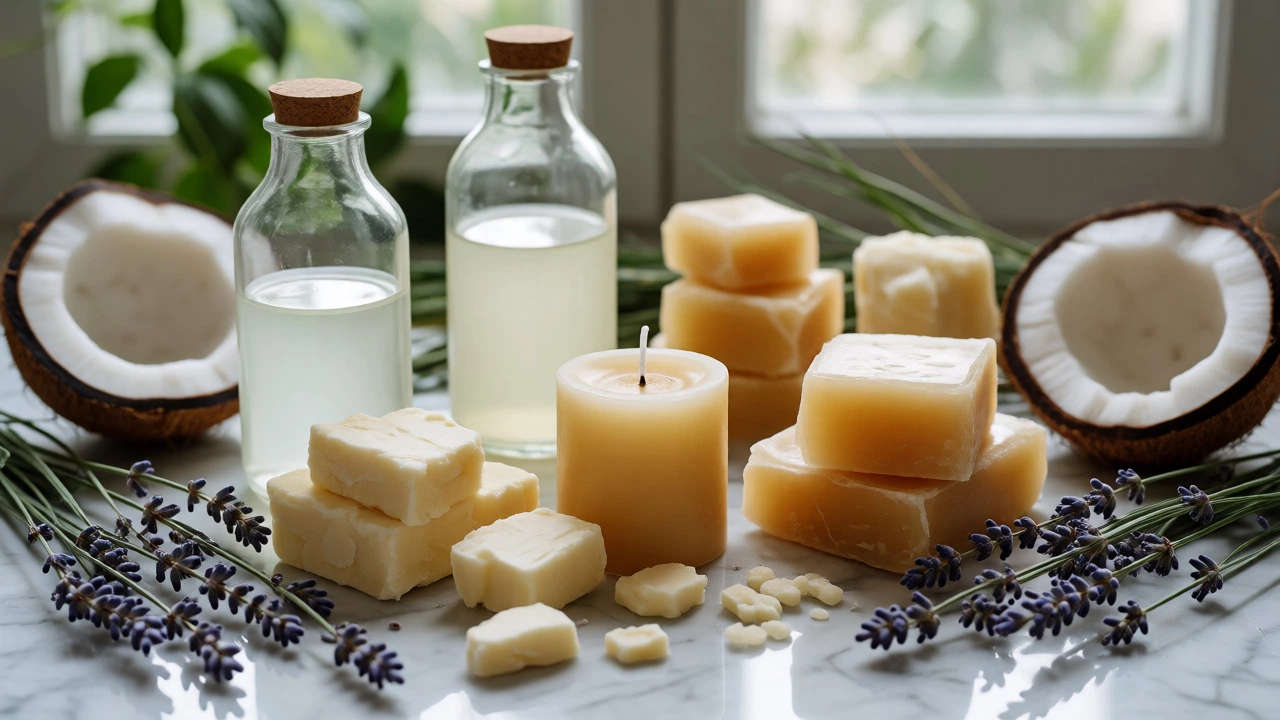
First, ingredients overlap. Many luxury candles use essential oils, shea butter, or coconut oil-ingredients you’d find in high-end skincare. When a brand sells a "spa collection" featuring a lavender candle next to a lavender body scrub, consumers naturally group them together. They assume the regulatory treatment is the same because the scent profile and brand aesthetic are identical.
Second, the term "aromatherapy" blurs the lines. Aromatherapy often claims health benefits, such as stress relief or improved sleep. While these claims sound medical or cosmetic, aromatherapy products themselves occupy a gray area. If a candle claims to "reduce anxiety," it might trigger scrutiny under consumer protection laws regarding misleading claims, even if it isn’t technically a cosmetic. Regulators care less about the category label and more about whether the claim is substantiated.
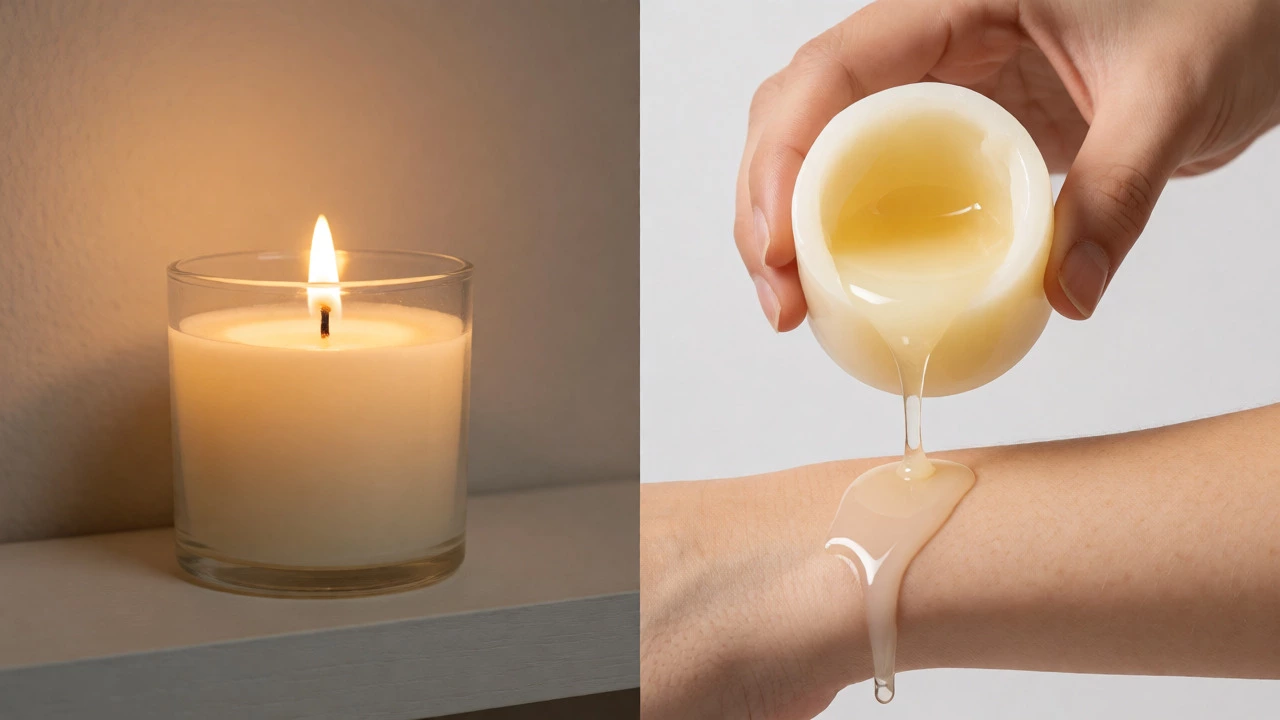
Third, hybrid products exist. Some companies sell "massage candles" or "body-safe candles." These are designed to be melted and poured directly onto the skin. Unlike a standard pillar candle, these are cosmetics because they are intended for direct skin contact. The distinction lies entirely in the intended use stated by the manufacturer.
Regulatory Requirements for Standard Candles
Just because a candle isn’t a cosmetic doesn’t mean it’s unregulated. In fact, the safety requirements for candles are rigorous, particularly in Europe and North America. If you’re launching a candle business, you must navigate specific standards that differ from cosmetic rules.
In the UK and EU, general product safety directives apply. Candles must meet standards for fire safety and chemical stability. For instance, the wick must not produce excessive smoke or soot that could harm indoor air quality. Additionally, packaging laws require clear labeling of hazards. If a candle contains allergens like limonene or linalool (common in citrus and floral scents), you might need to list them, though not necessarily in the same format required for cosmetics.
The US Consumer Product Safety Commission (CPSC) enforces voluntary standards adopted from ASTM International. Key tests include measuring the height of the flame, checking for container breakage, and ensuring the candle doesn’t reignite after being extinguished. Violating these can result in recalls, which are costly and damaging to brand reputation.
| Feature | Standard Candle | Body-Safe Massage Candle |
|---|---|---|
| Intended Use | Ambiance, light, scent diffusion | Melted and applied to skin |
| Cosmetic Status | No | Yes |
| Primary Regulation | General Product Safety / Fire Codes | EU Cosmetics Reg / FDA Cosmetics |
| Safety Testing | Flame height, burn time, container integrity | Dermatological testing, patch tests |
| Allergen Labeling | Optional or limited | Mandatory for known allergens |
When a Candle Becomes a Cosmetic
There are specific scenarios where a candle crosses the line into cosmetic territory. Understanding these edge cases helps you avoid misclassification.
The most common example is the massage candle. These are formulated with low-melting-point oils like soy, coconut, or shea butter. The instructions explicitly say, "Blow out the candle, wait for the wax to cool slightly, then pour onto skin." Because the user intends to put the substance on their body, it meets the definition of a cosmetic. Consequently, it requires a Cosmetic Product Safety Report (CPSR) in the EU and must comply with Good Manufacturing Practices (GMP).
Another edge case involves claims. If you market a candle as having "therapeutic properties" that affect the skin, regulators might argue it’s acting as a topical agent. However, purely olfactory effects-smelling nice-are generally not considered cosmetic actions unless the scent is claimed to alter body odor. If you claim a candle "masks body odor," you’re entering the deodorant/cosmetic space.
Finally, consider solid perfumes or wax-based fragrances. These look like small candles but are applied with a finger to pulse points. They are undeniably cosmetics. The physical form (wax) does not dictate the category; the application method does.
Marketing and Labeling Pitfalls
Misleading labels are the fastest way to get in trouble. Many indie brands make the mistake of using cosmetic-style language for non-cosmetic products. Phrases like "nourishing," "hydrating," or "skin-loving" imply skin contact. If your standard jar candle says "hydrates your aura," you’re fine-it’s poetic. But if it says "hydrates your skin," you’re inviting a challenge.
Be careful with the word "organic." In the EU, the term "organic" has strict definitions under organic farming regulations. If your candle uses organic soy wax but synthetic fragrance oils, calling the whole product "organic" might be misleading. Unlike food, there is no single global certification for organic candles, but certifying bodies like Ecocert or COSMOS provide guidelines for natural and organic cosmetics. Applying these standards voluntarily can boost trust, but ensure your claims match your certifications.
Also, watch out for "natural" claims. There is no legal definition of "natural" for candles in many jurisdictions. Consumers interpret it differently. Some think it means no chemicals (impossible, since everything is chemicals), while others mean plant-based. Transparency is your best defense. List ingredients clearly, even if not legally required for all components.
Practical Steps for Compliance
If you’re selling candles, follow this checklist to ensure you’re on the right side of the law, regardless of whether you call them cosmetics or home goods.
- Define Intended Use: Clearly state on the label that the product is for ambiance and fragrance. Avoid words like "apply," "rub," or "treat" unless it’s a massage candle.
- Check Ingredient Restrictions: Even if not a cosmetic, certain fragrance allergens may need disclosure under CLP (Classification, Labelling and Packaging) regulations in the EU if concentrations exceed thresholds.
- Fire Safety Testing: Ensure your candles pass relevant fire safety tests (e.g., BS EN 15493 in the UK/EU). Keep records of these tests.
- Packaging Warnings: Include standard warnings like "Never leave a burning candle unattended" and "Keep away from children and pets." These are mandatory for safety reasons.
- Claim Substantiation: If you claim "long-lasting scent," be prepared to back it up with data. If you claim "stress-relieving," cite studies on aromatherapy, but keep the language cautious.
For those making body-safe candles, the burden increases. You’ll need a qualified safety assessor to review your formula. This person checks that each ingredient is safe for skin contact at the concentration used. You’ll also need to register the product with the appropriate national authority, such as the CPNP (Cosmetic Products Notification Portal) in the EU.
The Future of Candle Classification
As sustainability becomes a bigger focus, regulations around candles are tightening. Microplastics in paraffin wax and synthetic fragrances are under scrutiny. The EU is moving toward stricter restrictions on microplastics, which could impact paraffin-based candles. Soy and beeswax alternatives are gaining popularity partly due to these regulatory pressures.
Furthermore, the rise of "wellness" branding continues to blur categories. Brands are increasingly bundling candles with diffusers, roll-ons, and bath salts. While the candle itself remains a home good, the bundle might be marketed as a "self-care kit," leveraging the emotional connection associated with cosmetics without triggering the regulatory overhead-provided the individual items remain correctly classified.
Ultimately, context is king. A candle sitting on a mantelpiece is a home accessory. A candle being poured onto a shoulder during a massage is a cosmetic. Know your product, know your customer’s expectations, and label accordingly. That clarity protects both your business and your customers.
Do candles need an expiration date?
No, candles generally do not require an expiration date by law. However, fragrance oils can degrade over time, leading to a weaker scent. Most manufacturers recommend using candles within 12-24 months of purchase for optimal performance, but this is a quality guideline rather than a regulatory requirement.
Can I make medical claims about my candle?
It is risky to make medical claims (e.g., "cures insomnia") for a standard candle. Such claims may classify the product as a medicinal product, requiring much stricter approval processes. Stick to sensory or wellness claims like "promotes relaxation" and ensure they are not misleading.
Are soy candles safer than paraffin?
Soy wax is biodegradable and renewable, whereas paraffin is a petroleum byproduct. Studies suggest soy produces less soot than paraffin, which can improve indoor air quality. However, both are safe when burned correctly. The "safety" difference is often overstated in marketing; proper wick trimming and ventilation matter more than wax type.
What happens if I label a regular candle as a cosmetic?
If you label a regular candle as a cosmetic, you implicitly promise it is safe for skin contact. If a consumer applies it to their skin and suffers a reaction, you could face liability issues. Furthermore, regulators may penalize you for failing to meet cosmetic compliance standards (like safety assessments) that you didn't perform because you thought it was just a home good.
Do essential oil candles count as aromatherapy products?
Essential oil candles are often marketed as aromatherapy products, but legally, aromatherapy is not a distinct regulated category in many regions. They are typically treated as scented candles. However, if you make specific therapeutic claims, you must have evidence to support them to avoid accusations of false advertising.