
Personalized Hair Washing Frequency Calculator
Analyze Your Hair Profile
Select your profile above to get a customized washing schedule tailored to your hair's needs.
There is no single calendar day that applies to everyone. If you are looking for a specific date like "Tuesdays" or "Sundays," you will be disappointed. The truth is, your hair does not have a biological clock that resets on a weekly cycle. Instead, it operates on a production schedule determined by your genetics, lifestyle, and the environment you live in. Washing too often strips natural oils, leading to dryness and breakage. Washing too little allows sebum, sweat, and product buildup to clog follicles, potentially causing irritation or hair loss. The goal is not to follow a rigid schedule, but to find the rhythm that keeps your scalp balanced.
Understanding Sebum and Scalp Physiology
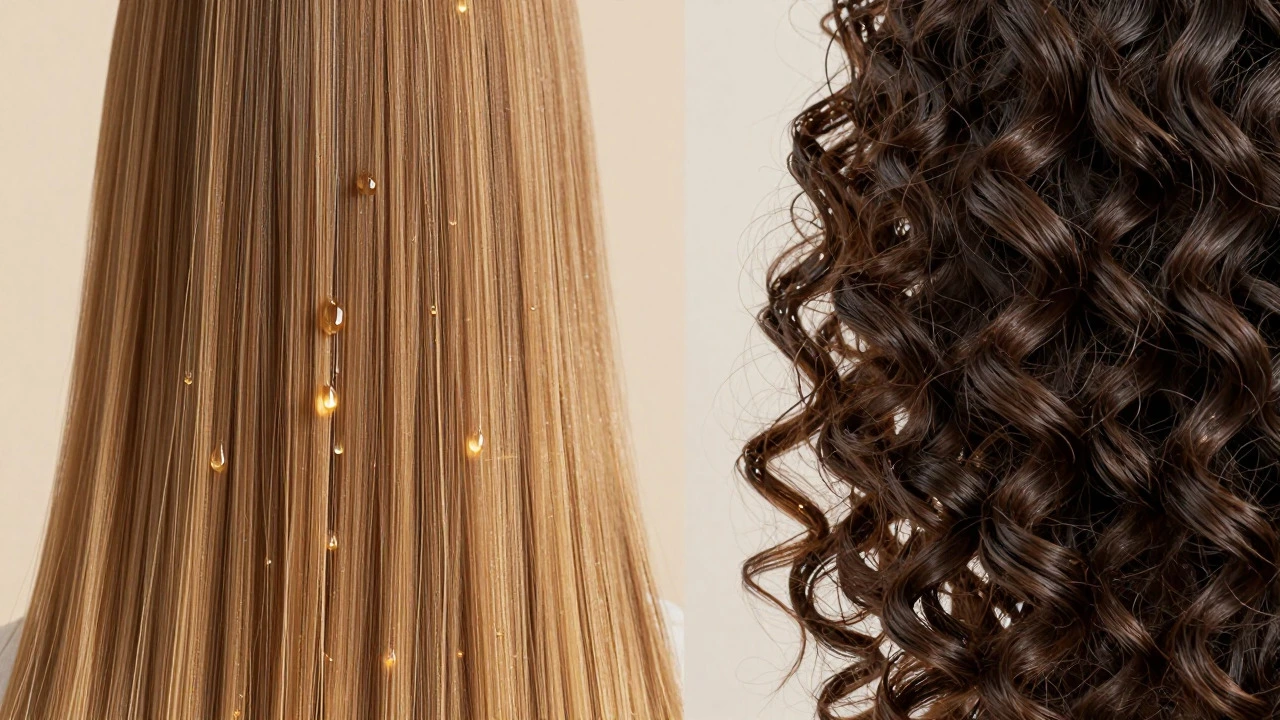
To decide when to wash, you first need to understand what happens between washes. Your scalp produces sebum, an oily substance created by sebaceous glands. This oil travels down the hair shaft, providing moisture and protection against environmental damage. For some people, these glands are overactive, producing excess oil that makes hair look greasy within hours. For others, production is minimal, leaving hair feeling straw-like and brittle. The texture of your hair plays a huge role here. Straight hair allows oil to slide down easily, reaching the ends quickly. Curly or coily hair has more bends and turns, which slows the distribution of natural oils, meaning the roots get greasy while the ends remain dry.
If you ignore this biology and wash daily with harsh sulfates, you disrupt the scalp's barrier function. This can trigger a feedback loop where the scalp perceives dryness and overproduces oil to compensate, making your hair greasier faster. Conversely, if you go weeks without washing, dead skin cells and bacteria accumulate. This mixture can lead to conditions like seborrheic dermatitis, commonly known as dandruff, which causes itching and flaking. The key is maintaining homeostasis-keeping the scalp clean enough to prevent buildup but moist enough to stay healthy.
Determining Frequency by Hair Type
Your hair type is the primary dictator of your washing schedule. Here is how different textures respond to cleansing:
- Straight, Fine Hair: This type tends to get oily fast because sebum distributes evenly. Many people with fine hair need to wash every other day or even daily if they exercise heavily. However, using a gentle formula is crucial to avoid stripping.
- Wavy Hair: Wavy hair usually strikes a balance. Washing two to three times a week often works well. On non-wash days, water rinses or dry shampoo can refresh the style without full cleansing.
- Curly and Coily Hair: These types are naturally drier. Over-washing removes the essential oils that keep curls defined and hydrated. Most curly-haired individuals thrive on a schedule of once a week or even once every two weeks. Co-washing (using conditioner only) between shampoos is a common strategy to maintain moisture.
- Color-Treated Hair: Chemical processes open the hair cuticle, allowing color to enter but also making it easier for moisture to escape. Frequent washing fades color faster. Limiting washes to two or three times a week helps preserve vibrancy and integrity.
- Thick, Coarse Hair: Thick hair takes longer for oil to travel from root to tip. You can likely go longer between washes, perhaps twice a week, without looking unkempt.
The Role of Lifestyle and Environment
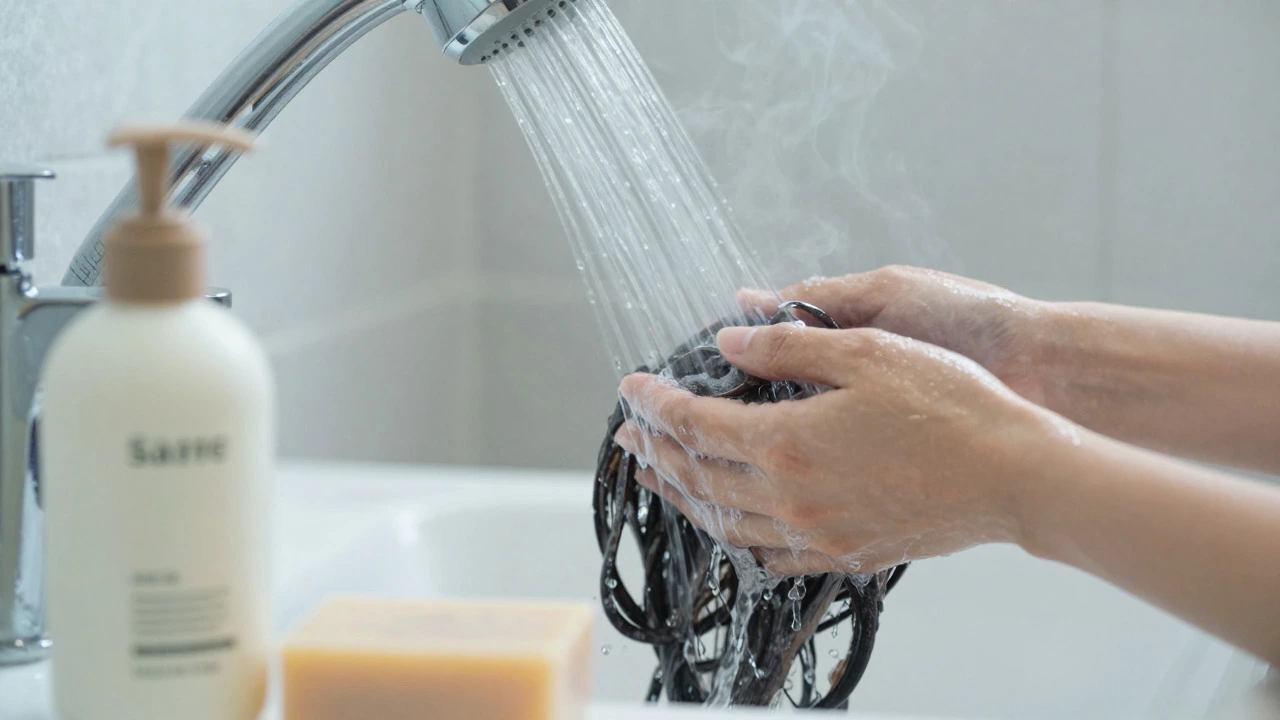
Your daily activities significantly impact how dirty your hair gets. If you work out intensely every day, sweating is inevitable. Sweat itself is mostly water and salt, but when mixed with skin bacteria and heat, it can cause odor and irritation. In this case, you do not necessarily need a full shampoo wash after every session. A quick rinse with water or a targeted application of cleanser only to the scalp can suffice. Save the full lather for the end of the week.
Environmental factors matter too. Living in a humid climate can make hair feel heavier and flatter due to moisture absorption. Dry, cold air can strip moisture from the hair shaft, requiring less frequent washing but more conditioning. Pollution is another factor; city dwellers exposed to high levels of particulate matter may need to wash more often to remove toxins that settle on the scalp. If you swim frequently, chlorine and saltwater are harsh chemicals that require immediate rinsing and regular clarifying washes to prevent damage and discoloration.
Choosing the Right Cleansing Products
Not all shampoos are created equal. The ingredients in your bottle determine how aggressive the cleaning process is. Traditional shampoos often contain sodium lauryl sulfate (SLS) or sodium laureth sulfate (SLES). These are strong surfactants that create rich lather and remove oil effectively. While great for very oily scalps, they can be too harsh for dry or color-treated hair, leading to frizz and fade.
For those who want to extend time between washes, consider switching to sulfate-free shampoos. These use milder cleansing agents like coco-glucoside or decyl glucoside. They clean gently, preserving natural oils and color. Another option is clarifying shampoo, which should be used sparingly-perhaps once a month-to deep clean buildup from hard water minerals, styling products, and pollutants. Using a clarifying shampoo too often will leave hair feeling stripped and rough.
Conditioner is equally important. It replenishes moisture lost during washing. Apply it mainly to the mid-lengths and ends, avoiding the scalp unless you have a specific dry scalp condition. Leave-in conditioners and hair oils can provide extra hydration, reducing the need for frequent washing by keeping hair manageable between sessions.
| Hair Type/Condition | Recommended Frequency | Key Considerations |
|---|---|---|
| Straight, Fine | Every 1-2 Days | Use gentle, volumizing formulas. Avoid heavy silicones. |
| Wavy | 2-3 Times/Week | Focus on scalp cleansing. Use dry shampoo on off-days. |
| Curly/Coily | Once Weekly or Bi-weekly | Prioritize moisture. Co-wash between shampoos. |
| Color-Treated | 2-3 Times/Week | Use sulfate-free, color-safe products. Cool water rinses help. |
| Oily Scalp | Every Other Day | Clarify monthly. Look for salicylic acid or tea tree oil. |
| Dry/Brittle | 1-2 Times/Week | Minimize washing. Use pre-shampoo oil treatments. |

Alternatives to Daily Washing
If you hate washing your hair but it looks flat or greasy, you have options. Dry shampoo is a popular tool. It absorbs excess oil at the roots, adding volume and freshness. However, it is not a substitute for cleansing. Overuse can clog follicles and cause inflammation. Always brush it out thoroughly and follow up with a proper wash soon after.
Another technique is the "scalp rinse." Simply wet your hair and massage your scalp with your fingertips for a minute or two. This removes surface sweat and loose debris without stripping oils. Follow with a light conditioner on the ends. This method extends the life of your style while keeping the scalp relatively clean.
Changing your hairstyle can also help. Updos, braids, and twists protect the hair and hide grease at the roots. They reduce friction and mechanical stress, which is beneficial for overall hair health. Experimenting with accessories like headbands or scarves can also refresh a look without touching shampoo.
Common Mistakes to Avoid
Many people make errors that undermine their hair care efforts. One major mistake is using hot water. Hot water opens the hair cuticle, leading to moisture loss and frizz. It also stimulates the scalp to produce more oil. Switch to lukewarm or cool water for the final rinse to seal the cuticle and add shine.
Another error is applying shampoo directly to the lengths of the hair. Shampoo is designed for the scalp, where oil and dirt accumulate. Lather it in your hands first, then apply to the roots. As you rinse, the suds will run down the lengths, cleaning them sufficiently without drying them out. Conditioner, on the other hand, belongs on the ends.
Ignoring scalp health is also detrimental. If you experience persistent itching, redness, or flaking, standard shampoo may not be enough. You might need medicated shampoos containing ketoconazole, zinc pyrithione, or selenium sulfide. Consulting a dermatologist can rule out underlying conditions like psoriasis or fungal infections.
Is it bad to wash my hair every day?
For most people, daily washing with harsh shampoos can strip natural oils, leading to dryness, frizz, and potential scalp irritation. However, if you have a very oily scalp, engage in heavy daily exercise, or live in a polluted environment, daily washing with a gentle, sulfate-free cleanser may be necessary. Listen to your hair: if it feels tight, straw-like, or breaks easily, you are likely washing too often.
Can I just rinse my hair with water instead of shampoo?
Yes, water-only rinsing can be effective for removing sweat and some surface dirt, especially if you wash infrequently. It preserves natural oils better than shampoo. However, water alone cannot dissolve sebum or remove silicone-based styling products. If you use heavy products or have significant buildup, periodic shampooing is still required.
How long should I wait between hair washes?
There is no fixed waiting period. It depends on your hair type and lifestyle. Fine, straight hair may need washing every 1-2 days, while curly or coily hair can go 5-7 days or longer. Aim to wash when your scalp feels itchy, your hair looks visibly greasy, or you have an odor. Use dry shampoo or scalp rinses to extend time between full washes.